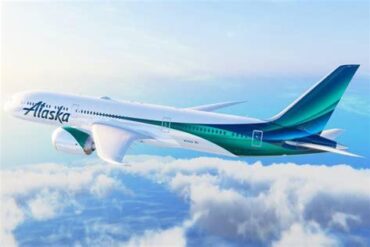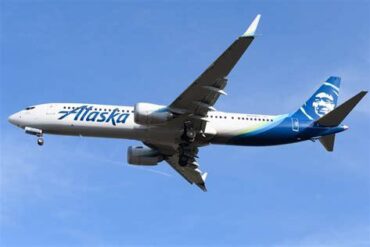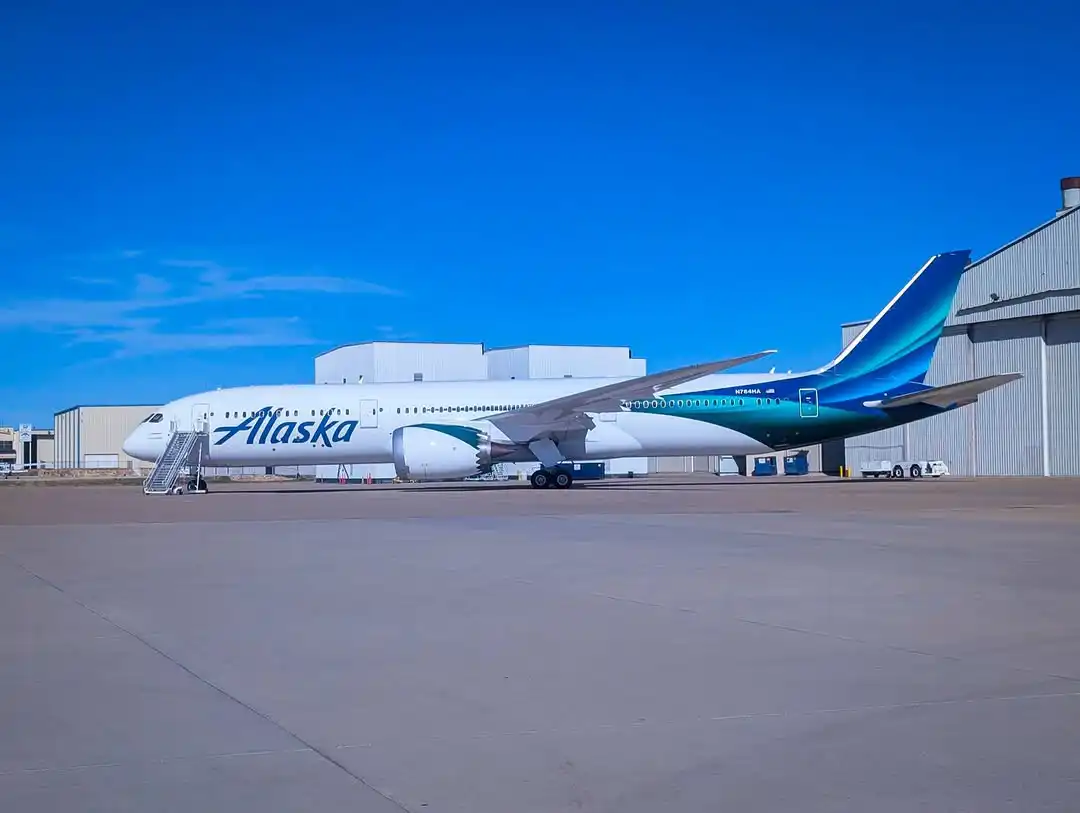
Alaska Airlines has reached a historic milestone as its very first Boeing 787-9 Dreamliner takes flight bearing the airline’s stunning new Aurora livery. The aircraft, registration N784HA, was spotted departing the Fort Worth Meacham International Airport on January 6, marking a pivotal moment in Alaska’s strategic evolution toward long-haul international expansion.
Originally destined for Hawaiian Airlines, N784HA’s journey took a different turn after Alaska Airlines acquired Hawaiian in 2025. This acquisition not only transferred Hawaiian’s existing Dreamliner orders to Alaska but also shifted operational strategies significantly, especially in long-haul markets. The aircraft is now a beacon of Alaska Airlines’ future ambitions.
Reimagined Identity: The Significance of the Aurora Livery
The eye-catching Aurora livery is more than just a new coat of paint. It’s a visual manifestation of Alaska Airlines’ evolving identity. Symbolizing the Northern Lights, the livery reflects both the airline’s namesake and its expansive vision. As the first 787 to wear this livery, N784HA is a flagship of modernization, branding consistency, and forward-thinking design.
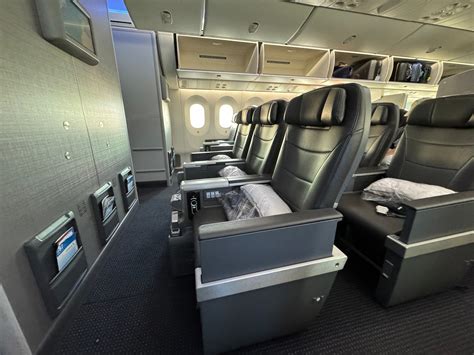
The aircraft is powered by General Electric GEnx engines, offering fuel efficiency, quieter performance, and reduced carbon emissions—critical components in modern fleet strategy. It sports a two-class configuration with a total of 300 seats, including 34 business class suites featuring the Elevate Ascent design and 266 economy seats with Collins Aerospace Aspire styling.
Operational Debut and Strategic Showcase in Seattle
Upon its arrival from Fort Worth, the aircraft touched down at Boeing Field rather than the expected Seattle-Tacoma International Airport. This deliberate move signaled the importance of a forthcoming press event on January 7, strategically timed to elevate visibility and build anticipation ahead of the aircraft’s first revenue service.
The official inaugural service is scheduled for January 8, flying from Seattle to Tokyo Narita—a vital transpacific route and a strong signal of Alaska’s entrance into intercontinental competition. Interestingly, this route has already seen the Hawaiian 787-9 in rotation, providing operational continuity as Alaska transitions branding and service ownership.
Inherited Luxury: Hawaiian Interiors, Alaska Experience
Passengers boarding N784HA will find a familiar cabin layout identical to Hawaiian’s 787s. Despite the new branding, Alaska has opted to retain the existing premium and economy seating formats, offering continuity and cost efficiency. Business travelers will appreciate the 34 Elevate Ascent suites, known for their spacious design and privacy, while leisure flyers can enjoy the 266 economy seats optimized for comfort.
However, some modern essentials are still pending. Most notably, in-flight Wi-Fi is absent on this aircraft. While Hawaiian’s A321neo and A330-200 fleets already boast free Starlink Wi-Fi, the 787s will not be outfitted with Starlink until late 2026. Alaska Airlines has confirmed that its entire mainline and regional fleet will be upgraded with Starlink connectivity, ensuring consistent high-speed internet across the board within two years.
Fleet Expansion: 21 Dreamliners for a Transformed Alaska Airlines
The delivery of N784HA is the first of a comprehensive 21-aircraft Boeing 787 plan. This includes 12 new-build 787-9s, four existing Hawaiian-operated 787-9s, and five larger 787-10s, making Alaska Airlines only the second U.S. carrier to invest in the -10 variant. All these aircraft will be based in Seattle, positioning the Emerald City as Alaska’s central hub for long-haul international growth.
Each new aircraft is expected to receive gradual modifications, including premium economy seating starting in 2028, reflecting Alaska’s evolving understanding of passenger demands. The decision to inherit Hawaiian’s fleet configurations while scheduling phased retrofits ensures a cost-effective and scalable transformation.
Strategic Necessity: Battling Delta for Long-Haul Dominance in Seattle
Seattle-Tacoma International Airport is a battleground for market share. While Alaska Airlines has a stronghold in domestic routes, Delta Air Lines dominates the long-haul international segment. The acquisition of Hawaiian Airlines and the expansion into Boeing 787s is a tactical maneuver to close that gap quickly and efficiently.
Alaska’s strategy is multi-pronged:
- Introduce new international routes (Tokyo, Seoul, London, and Rome).
- Establish a dedicated Boeing 787 pilot base.
- Leverage Hawaiian’s widebody aircraft and experience.
With ticket sales already underway for flights to Tokyo Narita and Seoul Incheon, and announcements for London Heathrow and Rome Fiumicino on the horizon, Alaska is positioning itself as a key Pacific and European connector.
Looking Ahead: A Bold Future in the Skies
Alaska Airlines is not simply acquiring aircraft; it is engineering a transformation. The Boeing 787-9 Dreamliner gives the airline the range, capacity, and efficiency to compete with legacy carriers in the high-stakes game of global aviation. With each new route and aircraft addition, Alaska will be reshaping its image from a regional powerhouse to a global contender.
The N784HA represents more than a shift in hardware. It is a signal—a commitment to expansion, quality, and modernization. As the airline prepares to launch its first Dreamliner-operated international flight, industry watchers and loyal passengers alike are watching with keen interest. If Alaska executes its strategy as meticulously as it has so far, its Dreamliner fleet will not only fly far, but it will also take the brand further than ever before.