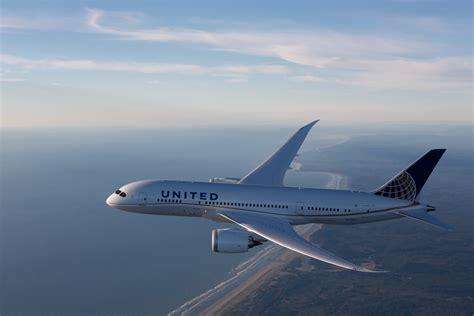
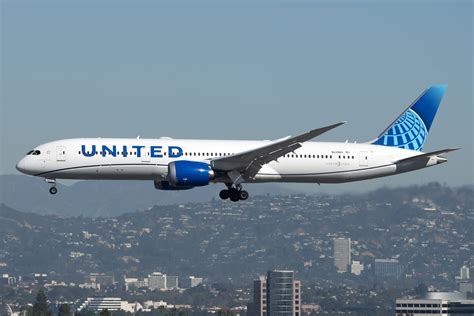
United Airlines is accelerating its long-haul transformation with the introduction of its premium-configured Boeing 787-9 Dreamliner on a new transatlantic route connecting San Francisco (SFO) and Zurich (ZRH). Beginning in September, Zurich becomes the third global destination to showcase the airline’s latest “Elevated” onboard product, signaling a decisive move toward high-yield, premium-focused travel.
This strategic expansion follows earlier deployments to Singapore and London, reinforcing United’s commitment to redefining long-haul passenger experience. Rather than simply adding capacity, the airline is reshaping how that capacity is distributed—placing greater emphasis on luxury seating, privacy, and refined cabin design.
A Strategic Leap Into Zurich’s Premium Travel Market
Zurich is not just another European destination—it is a global financial powerhouse and a magnet for corporate and high-net-worth travelers. United’s decision to deploy its most advanced Dreamliner configuration on this route reflects a calculated alignment between product sophistication and market demand.
The San Francisco–Zurich corridor blends business travel demand with premium leisure traffic, particularly from travelers heading to Switzerland’s alpine resorts and cultural hubs. By introducing its most premium-heavy aircraft, United is positioning itself to capture a larger share of travelers willing to pay for comfort, privacy, and exclusivity.
Inside United’s “Elevated” Boeing 787-9 Experience
The redesigned Boeing 787-9 is not a minor refresh—it represents a complete rethinking of long-haul cabin architecture. United has significantly increased the proportion of high-revenue seating, reflecting a broader industry shift toward maximizing yield over volume.
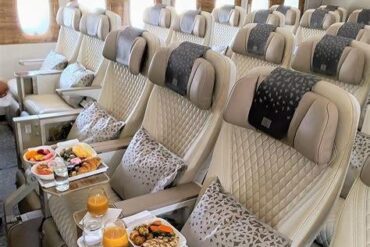
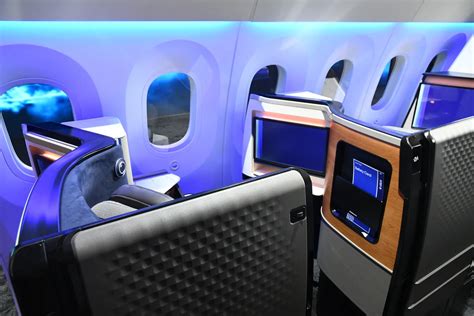
At the front of the aircraft, passengers will find eight Polaris Studio suites, a new ultra-premium offering designed for maximum privacy and space. Behind them are 56 redesigned Polaris business class suites, each equipped with sliding privacy doors, enhanced storage, and larger entertainment screens. The experience is further complemented by 35 Premium Plus seats, offering a substantial upgrade over traditional economy.
The cabin itself has been reimagined with modern textures, refined lighting, and upgraded materials, creating a more intimate and luxurious atmosphere. Enhanced connectivity and improved in-flight entertainment systems ensure passengers remain productive or entertained throughout the journey.
Premium Demand Drives Network Expansion
United’s Zurich launch is not happening in isolation—it is part of a broader pattern of expanding premium capacity across key global routes. The airline is increasing frequencies on existing routes that already feature the upgraded 787-9, including plans for twice-daily service to Singapore and potentially three daily flights to London.
This is not about flying more planes—it is about flying smarter configurations. By increasing the number of premium seats per aircraft, United can generate higher revenue without significantly expanding total passenger numbers. It’s a strategy that reflects the post-pandemic resurgence of premium travel, where demand for business and premium leisure experiences has rebounded faster than economy travel.
Why the Boeing 787-9 Is Central to United’s Strategy
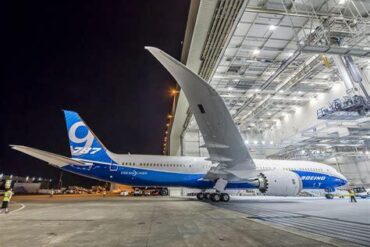
The Boeing 787-9 Dreamliner is uniquely suited to this transformation. With a range of approximately 7,500 nautical miles (13,900 kilometers), it can efficiently connect long-haul city pairs like San Francisco and Zurich without the need for larger, less efficient aircraft.
Its composite airframe reduces weight, delivering up to 20% lower fuel consumption compared to older widebody jets. This efficiency is not just an environmental advantage—it directly supports United’s ability to operate premium-heavy configurations profitably.
Passenger comfort is equally critical. The 787-9 features larger dimmable windows, higher humidity levels, and lower cabin altitude, all of which contribute to reduced fatigue on long-haul flights. These elements are subtle but powerful, particularly for travelers crossing multiple time zones.
A Broader Industry Shift Toward Premium Cabins
United’s move reflects a wider transformation across the airline industry. Carriers are increasingly prioritizing premium seating configurations as a way to improve margins on long-haul routes. Instead of maximizing seat count, airlines are optimizing for revenue per passenger.
This shift is driven by changing traveler expectations. Today’s passengers—especially in business and premium leisure segments—are willing to pay significantly more for privacy, comfort, and personalized experiences. Airlines that fail to adapt risk losing relevance in the most profitable segments of the market.
Zurich, with its blend of financial significance and tourism appeal, exemplifies the type of route where this strategy thrives. It is a destination capable of consistently supporting high-value passengers, making it an ideal candidate for United’s latest product.

Fleet Modernization Meets Revenue Optimization
United Airlines continues to invest heavily in the 787 family as a cornerstone of its global operations. Ongoing aircraft deliveries and retrofits are helping standardize the onboard experience while enabling the airline to scale its premium offerings efficiently.
This approach provides flexibility. The 787-9’s balance of range, capacity, and cargo capability allows United to adjust routes based on demand while maintaining a consistent product across its network. It also enables the airline to operate “long, thin” routes that would be uneconomical with larger aircraft.
The introduction of Zurich as a destination for the upgraded Dreamliner is a clear indication of where the airline sees future growth: routes that combine strong premium demand with strategic global relevance.
What This Means for Transatlantic Travel
For passengers, this development raises the bar for transatlantic travel. The San Francisco–Zurich route will now offer one of the most advanced and premium-heavy cabin experiences available, setting a new benchmark for comfort and service.
For competitors, it adds pressure. Airlines operating on similar routes will need to respond with enhanced products or more competitive pricing to retain market share. The result is likely to be a gradual elevation of standards across the industry, benefiting travelers in the long run.
United’s Zurich expansion is more than a route launch—it is a statement of intent. By combining next-generation aircraft, premium-focused design, and strategic route planning, the airline is reshaping its identity in the global aviation landscape.