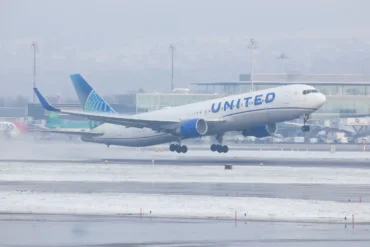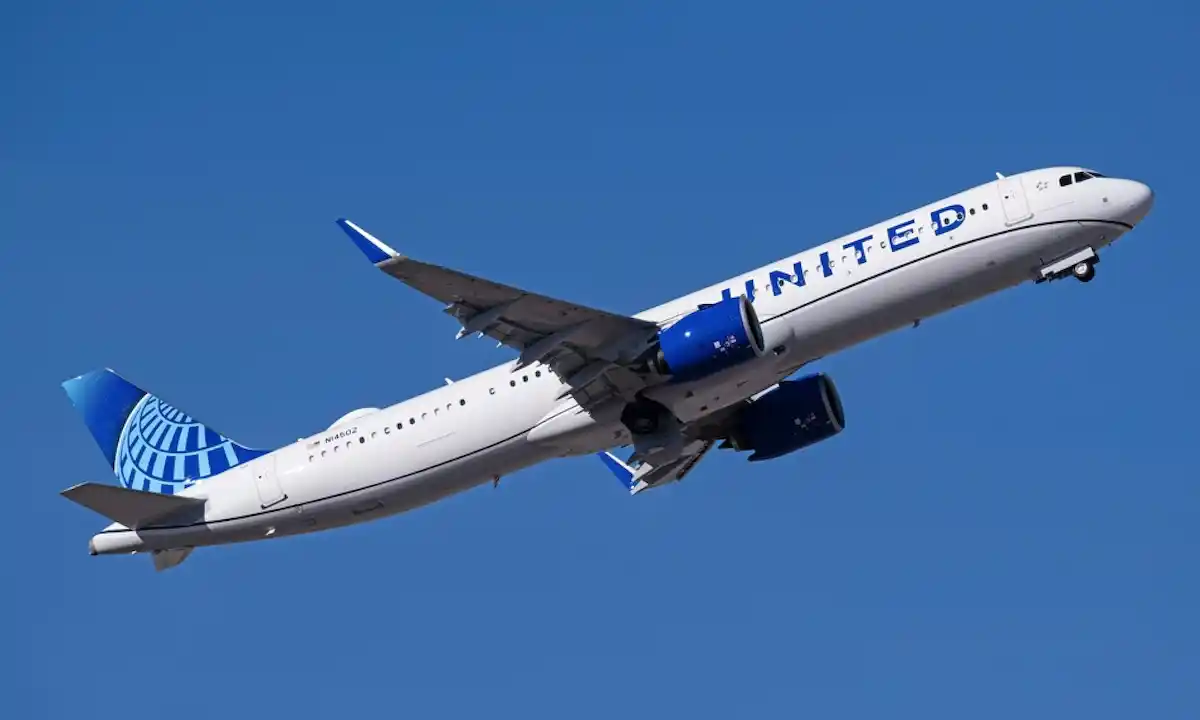
United Airlines is facing one of the largest cost pressures in its recent history after revealing that its fuel expenses increased by $2.3 billion during the second quarter of 2026. The dramatic jump represents an 84% year-over-year increase and highlights how geopolitical instability, oil market disruption, and rising energy costs are reshaping the economics of commercial aviation.
The sudden increase in fuel spending has created a major challenge for United, which had entered 2026 expecting strong travel demand and continued revenue growth. While the airline remains financially stable compared with weaker carriers, the enormous rise in operating costs has significantly reduced profit margins and forced executives to reconsider capacity plans, ticket pricing, and long-term financial strategies.
United Airlines’ Rising Fuel Bill Reshapes Q2 Financial Results
Fuel has always been one of the largest expenses for major airlines, but the scale of United’s increase has caught the industry’s attention. The airline paid billions more for jet fuel during the second quarter as global energy markets reacted to uncertainty surrounding oil supplies and international conflicts.
United reportedly expects its total additional fuel expenses for the year to reach approximately $6 billion, creating a significant financial burden even with strong passenger demand. The higher costs have directly affected profitability, with the airline’s second-quarter earnings falling 17.3% to $805 million despite continued demand for air travel.
The situation demonstrates how vulnerable airlines remain to fuel market volatility. Even efficient carriers with modern aircraft fleets cannot fully absorb sudden energy price spikes. Every additional dollar spent on fuel affects ticket pricing decisions, route profitability, and the ability to invest in future growth.
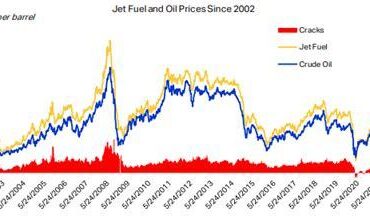
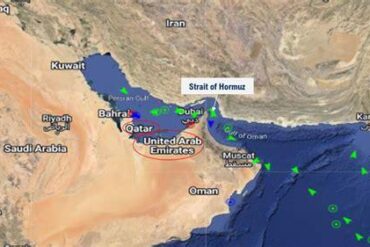
The increase in fuel costs followed major geopolitical disruptions that affected global oil transportation. Concerns surrounding the Strait of Hormuz, one of the world’s most important oil shipping routes, created uncertainty throughout energy markets and pushed prices higher. Although tensions later decreased, the risk of continued disruption kept oil prices elevated.
Fuel Crisis Forces Airlines to Increase Fares and Reduce Capacity
Higher fuel expenses are already changing the experience for travelers. Airlines cannot simply absorb billions of dollars in additional costs without affecting their operations. Instead, carriers are adjusting ticket prices, reducing less profitable routes, and focusing capacity on markets with stronger financial returns.
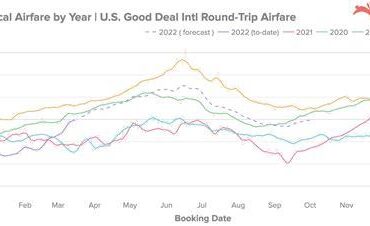
United’s expected response includes a combination of higher airfares and capacity reductions. Industry estimates suggest some routes could experience fare increases of around 15%, while flight availability may decline between 5% and 20% depending on market conditions.
The first flights affected are likely to be routes with lower profitability, inefficient fuel consumption, or weaker demand. Travelers may notice fewer options on midweek services, Saturday flights, and overnight red-eye operations. Routes requiring significant fuel consumption but generating limited revenue are particularly vulnerable.
International operations have also faced additional pressure. Flights to certain Middle Eastern destinations remain affected by ongoing uncertainty, forcing airlines to carefully evaluate whether maintaining those routes is economically practical.
For passengers, the result is a more expensive and less flexible travel environment. Lower-cost options become harder to find, while last-minute discounts may become increasingly rare as airlines prioritize profitability over filling every available seat.
United’s Challenge Reflects a Global Aviation Fuel Crisis
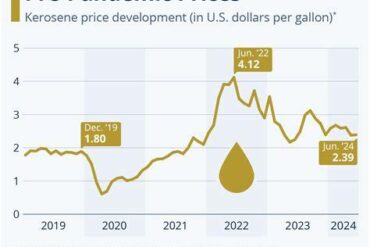
United Airlines is not alone in facing this financial pressure. Airlines worldwide are experiencing similar challenges as fuel prices remain significantly above historical averages. The International Air Transport Association has warned that rising jet fuel costs are putting pressure on airline profitability across the industry.
Delta Air Lines also reported a major increase in fuel expenses during the same period, with costs rising approximately 77% in Q2 2026 compared with the previous year. The carrier spent around $4.4 billion on fuel, showing that even the largest airlines are struggling to protect margins.

The broader aviation industry is facing a difficult balance. Passenger demand remains strong, but the cost of operating flights has increased dramatically. Airlines must decide whether to absorb expenses, raise fares, or reduce service levels.
Global airline fuel spending is expected to reach historic levels, putting pressure on carriers that were already operating with relatively thin profit margins. Although industry revenue is projected to continue growing, profitability is expected to weaken as more money goes toward energy costs rather than shareholder returns or fleet investments.
What Higher Fuel Costs Mean for United Airlines Passengers
For travelers, the fuel crisis is likely to influence both ticket prices and flight availability throughout 2026. United will continue focusing on routes that generate stronger returns while limiting exposure to markets where operating costs exceed revenue potential.
Passengers may see fewer inexpensive fares, increased pricing flexibility from airlines, and more aggressive fees for additional services. The era of widespread bargain airfare could become more limited as carriers attempt to recover billions in unexpected expenses.
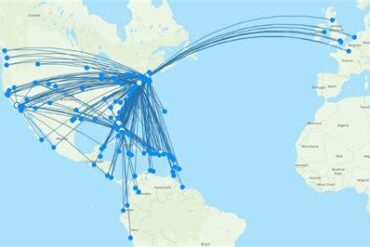
However, United’s strong network and financial position provide advantages compared with smaller airlines. The carrier has a large international presence, extensive domestic connectivity, and a diverse fleet that allows it to adjust operations more effectively.
The company’s challenge is not survival but maintaining profitability while managing a historic cost increase. The decisions United makes in response to the $2.3 billion fuel increase could influence airline strategies across North America.
The Future of Airline Economics After the Fuel Shock
The latest fuel crisis highlights a fundamental reality of commercial aviation: airlines remain highly dependent on global energy stability. Even when demand is strong and aircraft are full, unexpected fuel increases can quickly transform profitable operations into financial challenges.
United Airlines’ experience in Q2 2026 shows how geopolitical events can reach consumers thousands of miles away through higher fares and fewer flight choices. As energy markets remain uncertain, airlines will continue searching for ways to improve efficiency, manage capacity, and protect their financial health.
For travelers, the impact is clear. Higher fuel costs are becoming higher travel costs, and the airline industry is entering a period where affordability, capacity, and profitability must be carefully balanced.