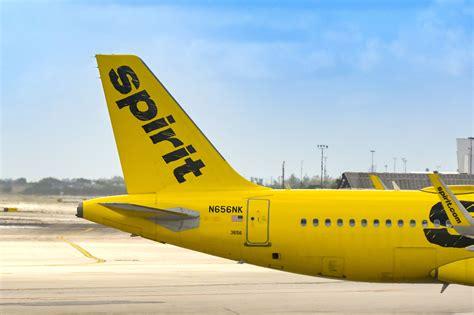
The restructuring plan unveiled by Spirit Airlines in March 2026 marks one of the most dramatic downsizing efforts in modern U.S. aviation. Once operating more than 214 aircraft, the ultra-low-cost carrier now intends to shrink its fleet to just 76–80 airplanes by the third quarter of 2026. This transformation is part of a sweeping Chapter 11 bankruptcy restructuring designed to slash debt and reshape the airline into a smaller but potentially more resilient competitor.
At the heart of the plan lies a massive financial reset. Spirit aims to reduce its obligations from approximately $7.4 billion in debt and lease liabilities to roughly $2 billion. Such a dramatic reduction could significantly lower the airline’s operating pressure, giving it the breathing room needed to stabilize operations after years of financial turbulence.
Yet the timing of this restructuring could hardly be more precarious. Global oil markets have been shaken by the ongoing conflict involving Iran, pushing jet fuel prices sharply upward. For airlines, fuel is typically the single largest operating cost, and volatile prices make financial forecasting extremely difficult. Spirit’s survival strategy depends not only on internal restructuring but also on whether energy markets stabilize before the company runs out of financial runway.
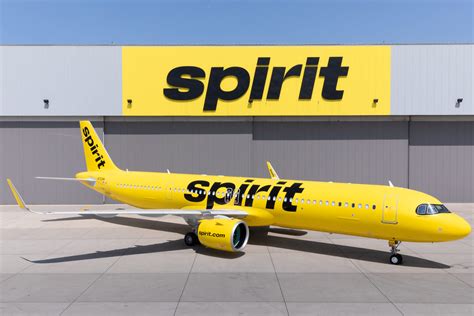
A Radical Fleet Reduction Strategy
Spirit’s restructuring blueprint focuses on drastically reducing fleet size while simplifying its route network. The airline plans to shed more than 130 aircraft, leaving a leaner fleet primarily composed of Airbus A320 family aircraft, including A320neos and A321neos.
This shift is more than just cost-cutting. It represents a fundamental rethinking of the airline’s business model. In previous years, Spirit pursued aggressive expansion, adding aircraft rapidly and opening numerous routes across the United States and the Caribbean. That growth strategy ultimately proved unsustainable as operating costs climbed faster than revenue.
Under the new plan, Spirit will concentrate flights in a handful of core markets, including:
- Fort Lauderdale–Hollywood International Airport (FLL)
- Orlando International Airport (MCO)
- Detroit Metropolitan Airport (DTW)
- The New York City metropolitan area
These cities represent some of the airline’s strongest demand bases and offer higher passenger volumes with relatively predictable travel patterns. Concentrating operations there allows Spirit to maximize aircraft utilization while minimizing the risk of underperforming routes.
Debt Reduction: The Centerpiece of Survival
The financial restructuring underway is designed to fundamentally alter Spirit’s balance sheet. By renegotiating leases, selling aircraft, and converting debt into equity, the airline hopes to cut billions from its obligations.
A restructuring support agreement filed in bankruptcy court outlines the framework for this transformation. The airline also received approval for bidding procedures related to the sale of roughly 20 additional aircraft, with a stalking-horse bid of about $530 million setting a baseline value.
In practical terms, this process allows Spirit to:
- Sell or reject expensive aircraft leases
- Reduce interest payments
- Improve long-term cash flow
- Create a leaner cost structure
If successful, these moves could enable the airline to emerge from bankruptcy by early summer 2026 as a far smaller but more financially stable company.
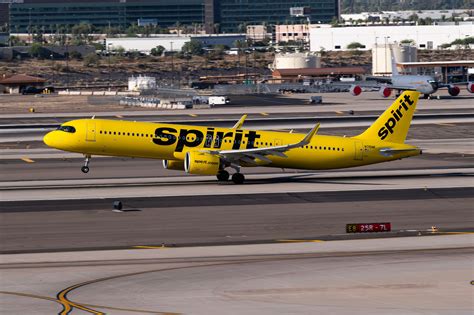
Years of Financial Trouble Leading to This Moment
Spirit’s current crisis did not appear overnight. The airline has struggled with persistent financial losses, rising operating costs, and strategic missteps for several years.
In August 2025, Spirit filed for bankruptcy again only months after completing an earlier restructuring effort. That previous plan failed to address what analysts described as a bloated cost base and fragile revenue model.
Financial data highlighted the severity of the situation. According to industry analysis reported by Reuters, Spirit lost approximately $246 million during the three months ending in June 2025. Such losses were particularly alarming for an airline built around ultra-low-cost efficiency.
In response, Spirit management implemented a series of emergency measures:
- Eliminating underperforming routes
- Exiting certain airports entirely
- Rejecting costly aircraft leases
- Raising additional bankruptcy financing
- Negotiating with creditors for restructuring support
Each step represented an attempt to stabilize the airline long enough to craft a more permanent solution.
A Shift Away From Bare-Bones Ultra-Low-Cost Flying
Perhaps the most intriguing element of Spirit’s restructuring is its gradual evolution beyond the classic ultra-low-cost carrier model.
Historically, Spirit built its reputation around extremely low base fares combined with a long list of optional fees. While this strategy allowed the airline to advertise rock-bottom prices, it also generated customer frustration and limited revenue opportunities compared with airlines offering higher-value cabins.
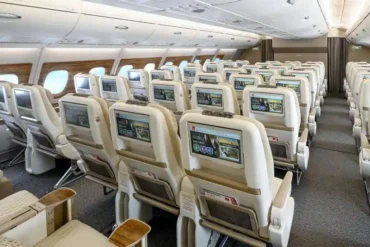
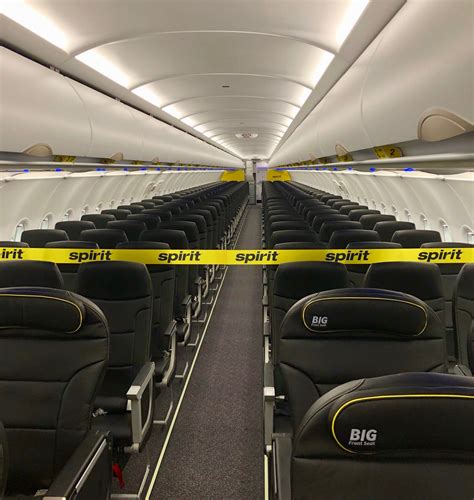
The new strategy introduces premium seating products, including:
- Spirit First, a more spacious front-of-cabin offering
- Premium Economy seating, providing additional comfort and perks
These options aim to attract higher-paying travelers without abandoning Spirit’s core identity as a low-cost airline. The shift reflects a broader trend in the airline industry where carriers blend low-cost efficiency with premium upsell options.
The Fuel Price Wildcard
Even the most carefully designed restructuring plan cannot control the global energy market. And that is where Spirit’s biggest uncertainty lies.
The conflict involving Iran has introduced significant volatility into oil markets. Tensions in the region threaten supply disruptions, which can push crude oil and jet fuel prices sharply higher. For airlines, these fluctuations can instantly reshape profitability.
Unlike some larger competitors, Spirit has limited financial resources to hedge fuel prices extensively. Fuel hedging involves purchasing contracts that lock in future fuel prices, providing protection against sudden spikes. Airlines with strong balance sheets can hedge large portions of their fuel consumption, while financially stressed carriers often cannot.
If jet fuel prices remain elevated, Spirit will face several challenges:
- Reduced ability to offer ultra-low fares
- Higher operating expenses per flight
- Limited room to compete against larger carriers with stronger finances
In essence, the airline’s survival now depends partly on forces far beyond its control.
What Passengers Can Expect From a Smaller Spirit
For travelers, the restructuring will produce noticeable changes in the airline’s network and overall experience.
A smaller fleet naturally means fewer flights. Passengers in Spirit’s strongest hubs will likely continue seeing frequent service, but travelers in smaller markets could face reduced options or complete route cancellations.
The airline’s network will likely become more seasonal and demand-driven, concentrating flights during peak travel periods such as holidays and summer vacations.
At the same time, passengers may notice improvements inside the cabin. The introduction of Spirit First and expanded Premium Economy seating indicates a shift toward a more balanced passenger experience.
However, cheaper fares are far from guaranteed. Rising fuel prices across the global airline industry are already forcing carriers to raise ticket prices. Spirit’s historically aggressive pricing strategy may become harder to sustain in such an environment.
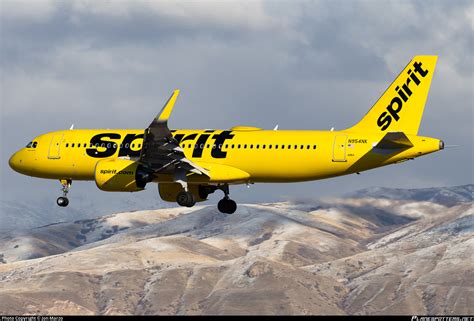
The Uncertain Future of an Ultra-Low-Cost Pioneer
Spirit Airlines stands at a critical crossroads. Its ambitious restructuring could transform the company into a leaner and potentially more sustainable airline, but the margin for error is extremely thin.
The airline’s new structure relies on several factors aligning simultaneously: successful bankruptcy negotiations, stable fuel prices, efficient operations, and steady passenger demand. If even one of those variables falters, the recovery plan could face serious setbacks.
Still, aviation history shows that airlines have survived extraordinary crises before. The industry has endured oil shocks, economic recessions, pandemics, and geopolitical conflicts. Spirit’s downsizing may ultimately prove to be the painful but necessary step that allows it to remain part of the competitive U.S. airline landscape.
Whether the airline emerges stronger or fades under the pressure of global fuel markets will become clear in the months ahead. For now, Spirit’s bold decision to slash its fleet to around 80 aircraft stands as one of the most dramatic restructuring gambles in recent aviation history.