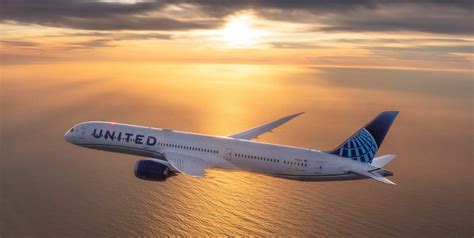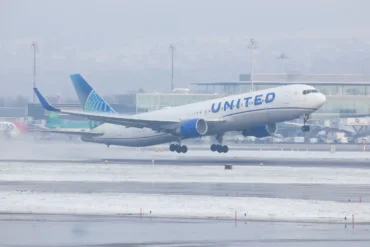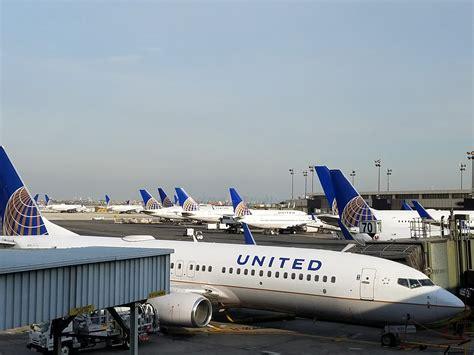
United Airlines commands a commanding presence at Newark Liberty International Airport (EWR), a position it has cultivated over decades of strategic expansion and robust operations. As of June, the carrier is operating over 1.5 million seats on more than 9,700 flights, both domestic and international — a number that dwarfs its competitors at the airport. But in the fast-evolving landscape of American aviation, the question arises: Can this dominance last?
Newark is one of the three key airports serving the New York metropolitan area, just 14 miles from Manhattan, making it a crucial gateway for business and leisure travelers alike. Its location and infrastructure have made it a focal point for carriers seeking access to the lucrative New York market. However, no airline has bet on Newark quite like United Airlines, transforming it into one of its most critical hubs, second only to Chicago O’Hare in size and strategic value.
United’s Stranglehold on Newark: The Numbers Speak Loudly
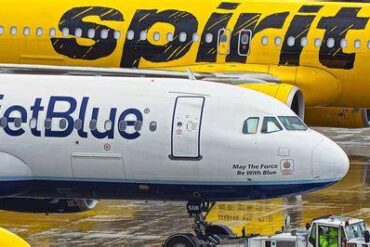
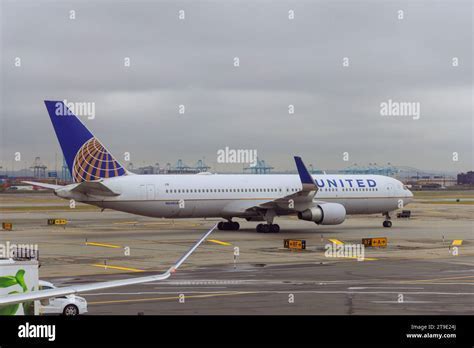
United’s influence at EWR is near-absolute. According to Cirium data, the airline operates more than 68% of all passenger traffic at the airport. In comparison, the next four largest carriers — Spirit, Delta, JetBlue, and American — collectively manage less than 25%. Spirit Airlines, the second busiest, only accounts for 5% of Newark’s operations, showcasing just how far ahead United truly is.
United’s route portfolio at Newark includes 60 year-round international destinations and 25 seasonal connections, spanning from major European cities to the Caribbean, Latin America, Africa, and the Middle East. Domestically, its mainline and regional United Express services blanket the country with up to 237 daily mainline departures and more than 200 additional regional flights. The busiest domestic route is to Los Angeles (LAX), with nearly 1 million annual passengers, where it competes with JetBlue, Spirit, and Alaska Airlines.
World-Class Lounges: Comfort and Prestige for Premium Flyers
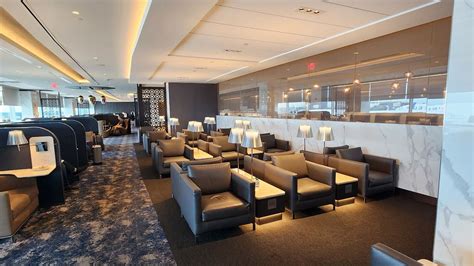
United invests heavily in its premium facilities at Newark, offering three United Clubs and a luxurious Polaris Lounge located in Terminal C. These lounges feature amenities that cater to business and high-spending leisure travelers, such as complimentary meals, full-service bars, Wi-Fi, and even Quiet Suites and showers in the Polaris Lounge. The appeal of such amenities further cements United’s allure among premium passengers who value comfort and exclusivity.
An Unmatched Global Network From EWR
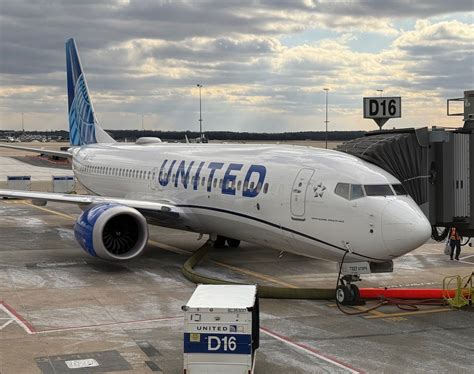
United’s vast international reach from Newark includes high-demand destinations like London Heathrow, Frankfurt, São Paulo, Tel Aviv, and Tokyo. Its transatlantic dominance is evident — United operates more Europe-bound flights from EWR than any other carrier. Unique destinations such as Nuuk, Greenland, and Funchal, Madeira, now served by United’s Boeing 737 MAX 8, showcase the airline’s strategy of pioneering niche international routes that go uncontested.
The newly launched Nuuk route, debuting June 14, is the only direct service between the U.S. and Greenland, a noteworthy addition to United’s portfolio. The route is expected to stimulate leisure tourism and business interest in the Arctic region.
The Competitive Landscape: A Close Look at the Challengers
Though United reigns supreme, competition at Newark is slowly evolving. Spirit Airlines, Delta Air Lines, JetBlue, and American Airlines all continue to maintain a strong presence.
- Spirit Airlines serves 22 year-round routes and will soon launch a new service to Savannah, Georgia.
- Delta maintains core connections to its national hubs, including Atlanta, Salt Lake City, and Minneapolis.
- JetBlue is scaling up service with frequent flights to the Caribbean and Florida, and is introducing seasonal service to Santo Domingo in 2025.
- American Airlines leverages its hubs like Charlotte, Dallas/Fort Worth, and Chicago O’Hare, also adding to frequency through American Eagle.
While none of these airlines are currently positioned to overtake United’s lead, their incremental gains could collectively dilute United’s market share if sustained over time.
Star Alliance Partnerships: Strength in Numbers
United’s global connectivity is supercharged by its Star Alliance partnerships. EWR serves as a co-hub for alliance carriers such as Lufthansa, Swiss International Air Lines, TAP Air Portugal, Turkish Airlines, and Singapore Airlines, all offering direct service to their respective hubs from Newark. These partnerships ensure seamless interline connectivity and increase Newark’s appeal as an international transfer hub.
Infrastructure and Expansion: Investing in the Future
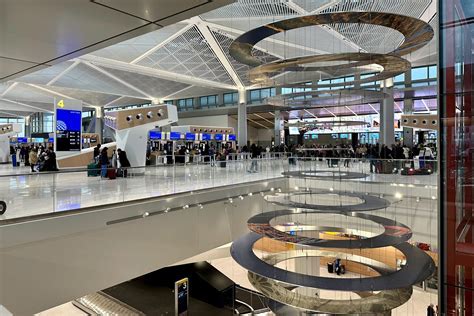
Newark Liberty is undergoing a multi-billion-dollar transformation to modernize the airport. The newly completed Terminal A offers a state-of-the-art experience for travelers, and a new AirTrain system is under development to enhance connectivity within the airport. Runway expansions and redevelopments will also allow more efficient aircraft operations, improving United’s ability to maintain on-time performance despite the notorious congestion.
The expansion also ensures room for competitors to grow, potentially enabling Delta, JetBlue, or even international carriers to claim more slots and expand their footprint. However, as long as United continues to leverage its infrastructure advantage and alliance power, it will be difficult for others to catch up.
Strategic Implications: Could the Tide Turn?
While United’s dominance at Newark remains solid, several factors could influence its future positioning:
- Slot constraints and congestion may lead to capacity caps or slot redistribution by the FAA.
- JetBlue’s strategic alignment with United, particularly through codesharing or potential BlueSky developments, could either bolster United or blur competitive lines.
- Spirit’s aggressive pricing may lure cost-conscious flyers away from United on certain high-demand leisure routes.
- Delta’s strength in premium service and improved reliability may eat into United’s business traveler segment if performance falters.
Although United has built a fortress at EWR, aviation history has shown that no dominance is permanent. Shifting regulatory decisions, changing passenger demographics, and the ever-present battle over slot control could slowly reshape Newark’s competitive dynamic.
Final Analysis: Will United Continue to Rule the Skies of Newark?
Despite the rise of low-cost carriers and the persistence of legacy competitors, United Airlines is likely to retain its position as Newark’s largest carrier for the foreseeable future. The combination of scale, alliance strength, operational depth, and aggressive international strategy puts it miles ahead.
Yet, United must continue investing in passenger experience, punctuality, and network innovation to remain irreplaceable at Newark. As the airport evolves, the environment will become more conducive to growth for others. If United grows complacent, the very hub it built into a global gateway could become a battleground.
Still, with Nuuk and Funchal now on the route map, and a forward-looking fleet strategy, United shows no signs of slowing down. Newark remains not just a hub — but the beating heart of United’s global ambition.