For decades, Southwest Airlines cultivated its reputation as a no-frills, customer-first carrier with an egalitarian edge. With perks like free checked bags, a cheerful cabin culture, and a transparent fare structure, it attracted a fiercely loyal customer base that saw Southwest not just as an airline but a refreshing alternative to legacy carriers. However, that legacy is undergoing a dramatic evolution. In 2024, Southwest initiated a wave of changes that now appear to be setting the stage for something far bigger than domestic budget travel.
In the wake of a contentious proxy battle led by Elliott Investment Management, which accused CEO Bob Jordan of poor performance and strategic inertia, the airline has been steadily overhauling its leadership, service offerings, and growth ambitions. The most jarring blows to its core identity came in the form of eliminating free checked bags and ending open seating, two benefits that were previously foundational to its brand. While many saw these as capitulations to investor pressure, they may also be precursors to a more significant transformation.
Strategic Shake-Up Driven by Investor Pressure
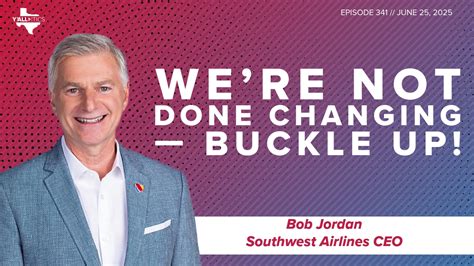
The turbulence began in earnest when hedge fund Elliott Investment Management acquired a significant stake in the airline, giving it the leverage to demand sweeping changes. Citing stagnation, operational inefficiencies, and misaligned leadership, Elliott pressured the company into a reorganization that ousted key executives, including Chief Transformation Officer Ryan Green. The investor revolt was clear: evolve or be replaced.
While Jordan survived the boardroom drama, the message was received. The airline embarked on a quiet but deliberate transformation. The cost-cutting moves may have seemed harsh to loyalists, but insiders say they were necessary preconditions for Southwest’s next chapter — one that increasingly seems focused on international expansion.
A Landmark Partnership: Icelandair and the Reykjavik Connection
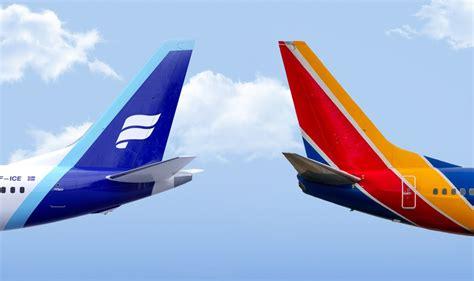
In September 2024, Southwest announced a codeshare partnership with Icelandair, signaling its intent to explore beyond U.S. borders in ways it had long avoided. Though the arrangement initially only linked flights via Icelandair’s extensive European network, aviation analysts quickly began connecting the dots. With a fleet of Boeing 737 MAX aircraft capable of reaching Reykjavik from key U.S. cities, Southwest now possesses the technical capability to cross the Atlantic — a feat previously out of reach.
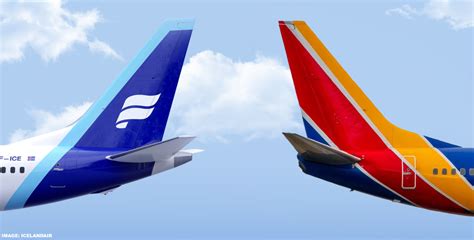
This is no mere coincidence. According to route-monitoring blog Enilria, Southwest has been quietly preparing for potential routes to Iceland from cities like Dallas, Denver, and Nashville. TD Cowen echoed this projection in a recent investor report, suggesting that Reykjavik could be the ideal first step into Europe for Southwest, particularly as a way to boost the value of its loyalty program and co-branded credit card offerings. Exotic but accessible, Iceland fits the bill.
The Loyalty Pivot: Using Points to Go Global
Much of Southwest’s current evolution is centered on giving more value to its frequent flyers. The addition of overnight flights to Hawaii in 2024 from cities like Las Vegas and Phoenix was a direct response to loyalty member demand. These routes, strategically timed and priced for maximum point redemption value, show a clear intent to sweeten the deal for its most dedicated customers.
A flight to Iceland would represent the next tier of reward-based travel, offering Rapid Rewards members the ability to use points for international getaways. As competition for premium customers intensifies, particularly among younger travelers seeking unique experiences, this shift could be a potent draw.
Fleet Readiness: The MAX Factor
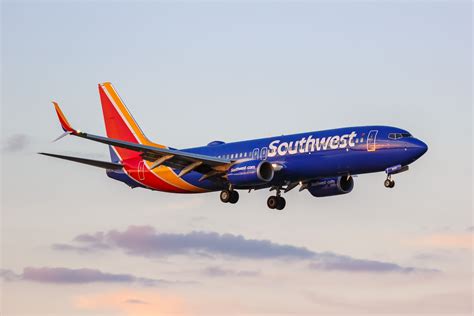
Southwest’s fleet has long consisted exclusively of Boeing 737 aircraft, a strategy that kept maintenance costs low and operations simple. But the modern 737 MAX 8 and MAX 9 variants now in Southwest’s hangars come with a range of up to 3,550 nautical miles, more than enough to reach Reykjavik from key U.S. gateways.
While the airline has not officially announced a transatlantic schedule, its aircraft capability, combined with the Icelandair partnership, positions it perfectly to make the leap. Add in rising consumer demand for affordable international flights, and the runway for expansion looks clear.
A Narrative Reboot: Rebranding After Loyalty Fallout
According to aviation expert Gary Leff, the airline is scrambling to recover from what he calls an “epic self-own” — a reference to unannounced fee increases, loyalty devaluations, and a general loss of goodwill among its most frequent flyers. “Flying to Europe would help do this,” Leff notes, underlining the strategic value of narrative repositioning.
For Southwest, this isn’t just about flying to a new continent. It’s about signaling a renewed commitment to growth, relevance, and value. By opening international routes, the airline can turn the page on months of bad headlines and customer disillusionment. It can start offering something it never has before — aspirational travel.
CEO Bob Jordan’s Cryptic Comments Fuel Speculation
During the Bernstein Strategic Decisions Conference in May 2025, Jordan was asked directly about the airline’s long-term growth strategy. His answer was both revealing and evasive:
“For many of our folks that love Southwest, we can’t do things — we can’t provide products — that you want. Like a first class. We can’t get you to long-haul international destinations. If a lounge is important to you, we don’t have a lounge.”
But even as he denied specifics, Jordan added that the airline wasn’t ruling out “hypothetical things our customers want.” Industry observers took that as code: something big is coming.
The Competitive Landscape: A Risky but Necessary Gamble
Entering international markets is no small feat. Competitors like JetBlue, Delta, and United have extensive networks, established partnerships, and infrastructure that Southwest lacks. However, Southwest has what those airlines don’t: a reputation — albeit slightly battered — for simplicity, transparency, and affordability. If it can bring that ethos to transatlantic routes, it may find a profitable niche among cost-conscious adventurers and rewards-savvy travelers.
But this pivot must be executed with surgical precision. The airline is already navigating a complex balancing act: retaining legacy loyalists who may feel betrayed by recent changes while attracting a new demographic seeking global connectivity. The Iceland route could act as a test case — both for logistics and customer sentiment.
Beyond Reykjavik: What’s Next for Southwest?
If the Iceland strategy proves successful, Southwest may consider expanding into other northern European destinations, such as Dublin, Edinburgh, or even Lisbon, all within reach of the 737 MAX. And with the China Airlines interline agreement already inked, it’s clear that Southwest is thinking well beyond North America.
While the airline insists that long-haul international is not in its immediate roadmap, the infrastructure and intent are quietly being assembled. This is the first time in its five-decade history that the company has looked seriously beyond the U.S., Mexico, and Caribbean. And in an increasingly globalized travel market, staying domestic-only could mean stagnation.

Final Descent: A Defining Year Ahead
2025 may well become the most pivotal year in Southwest Airlines’ history. After a bruising investor confrontation, painful customer-facing changes, and a reimagined leadership team, the airline appears ready to chart a bold new course. Iceland is more than just a destination — it’s a metaphor for transformation.
If Southwest can navigate this shift while regaining trust and preserving what made it special in the first place, it could emerge not just as a survivor of airline industry turbulence, but as a pioneer in the next chapter of budget international travel.
But if it stumbles, it risks alienating both the loyalists who stood by it for decades and the new travelers it’s so eager to court. In the high-stakes world of aviation, few landings are smooth — but Southwest is banking on a future that flies farther than ever before.