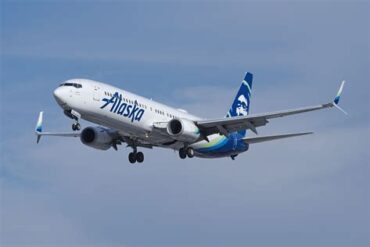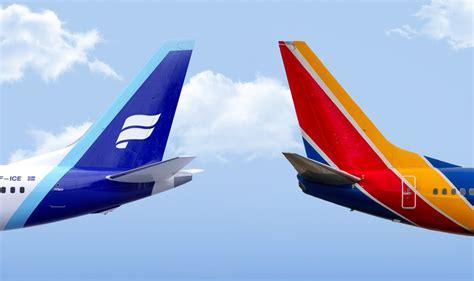
Southwest Airlines, long known for its domestic dominance and low-cost ethos, is preparing to enter new territory — quite literally. In what could be its most ambitious international move to date, the Dallas-based carrier is reportedly planning its first-ever transatlantic flight. Come spring 2026, travelers could be boarding a Southwest Airlines flight from Baltimore/Washington International (BWI) to Keflavik International Airport (KEF) in Iceland. This signals not just a route expansion but a strategic shift in identity and operational philosophy.
Why Iceland? Why Now?
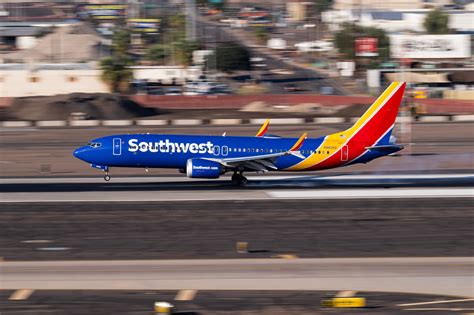
The route from Baltimore to Reykjavik spans 2,762 miles — a range well within the capabilities of the Boeing 737 MAX 8, which Southwest currently operates. This aircraft choice keeps costs manageable while unlocking transatlantic potential. Yet, the route’s feasibility isn’t just about aircraft performance — it’s part of a deeper strategic play by the airline.
According to aviation sources, including Enilria, Southwest aims to launch the route in May 2026, with ticket sales expected to begin in the fall of 2025. Notably, this move positions Iceland as Southwest’s first European destination, a remarkable pivot from a carrier historically confined to the Americas.
But what’s driving this bold decision?
A Closer Look at the Southwest-Icelandair Partnership
At the heart of this development lies an evolving relationship between Southwest Airlines and Icelandair. While the two currently maintain a modest interline agreement, insiders suggest a deeper codeshare partnership is in the works. This could eventually include reciprocal frequent flyer benefits, integrated schedules, and seamless baggage transfers.
However, the codeshare arrangement isn’t merely a back-office handshake. Southwest’s pilot union — one of the most powerful labor groups in U.S. aviation — is reportedly pushing back against any codeshare agreement that doesn’t involve Southwest operating its own aircraft on international routes. This has forced the airline to put “metal on the route,” even if it’s not immediately profitable.
Loyalty Leverage: Making Rapid Rewards More Valuable
The Iceland route isn’t just a geographic expansion — it’s a calculated move to enhance the appeal of the Rapid Rewards loyalty program. Until now, Southwest has lacked global award redemption options, especially compared to legacy carriers like American or United, which allow members to book flights with partners around the world.
By flying to Iceland and deepening ties with Icelandair, Southwest gains access to a European network through which it could offer Rapid Rewards redemptions on Icelandair flights. This would allow its customers to use points to travel not just to Reykjavik, but to dozens of European cities Icelandair serves, from London and Paris to Oslo and Zurich.
Southwest’s points system is revenue-based, meaning redemption is tied to fare cost rather than complicated award charts. This makes integration with Icelandair’s fare structures more straightforward than with traditional mileage-based programs. The result? A loyalty program that suddenly looks much more global.
Beyond the Bottom Line: What’s the Play?
Skeptics might argue that a route like BWI-KEF is unlikely to be a major moneymaker for Southwest. After all, Icelandair already operates numerous U.S. routes, enjoys a lower cost base, and has deep experience in transatlantic travel. But the financials of this route are secondary to the strategic leverage it unlocks.
In effect, Southwest is:
- Fulfilling union obligations by operating its own international flight
- Creating the foundation for a codeshare with Icelandair
- Enhancing loyalty perks to retain customers amid rising domestic competition
- Testing the waters of transatlantic service with a manageable, proven aircraft
It also allows Southwest to enter Europe without overcommitting. A single route to Iceland offers just enough international reach to signal global intent without risking extensive investment in untested markets or aircraft.
A Broader Transformation Under Pressure
Southwest’s move is not occurring in a vacuum. The airline has undergone dramatic internal shifts following sustained pressure from activist investors and changing market dynamics. The days of free checked bags and egalitarian seating are slipping away, replaced by basic economy options, extra legroom seats, and even assigned seating policies — a stark departure from its once-iconic free-for-all boarding system.
These changes, controversial among loyalists, reflect a larger identity crisis: How does Southwest stay competitive in a market it once disrupted?
The Iceland move may be a piece of that puzzle. It suggests the airline sees international connectivity and premium partnerships as key to its next chapter — a response to both investor demands and consumer expectations in a more globalized travel economy.
What This Means for Competitors
Southwest’s European ambitions could ripple through the industry. JetBlue, which has successfully launched transatlantic flights with its A321LR fleet, may soon find itself facing a similarly low-cost competitor entering the fray. While JetBlue has focused on London and Paris, Southwest’s entry via Iceland — and its Icelandair connection — offers a very different network structure.
Legacy carriers like United, American, and Delta may also feel some pressure, especially if Southwest can offer cheaper award redemptions or simpler intercontinental travel options for U.S. flyers already familiar with the brand.
What Passengers Can Expect
For passengers, the service is expected to follow Southwest’s traditional low-cost, high-frequency model, at least initially. Pricing is likely to be competitive, particularly to incentivize early adoption and to draw interest from loyalty program members eager to explore Europe without switching airlines.
Though final onboard service details haven’t been revealed, the airline may begin to test limited onboard amenities or bundled fare packages, especially for long-haul routes. However, with its relatively narrow 737 MAX 8 cabins, passengers should not expect lie-flat seats or first-class pods — at least not yet.
Still, Southwest has recently shown willingness to reconsider its sacred cows, including boarding processes and in-flight services. With pressure mounting to match full-service expectations, it wouldn’t be surprising if modest premium offerings emerge over time, especially for international flights.
Will This Expand Beyond Iceland?
The Iceland move could be the beginning of a larger international strategy. Though the 737 MAX 8 limits range, destinations in Ireland, the UK, or even eastern Canada are technically reachable. If the Iceland trial succeeds — both operationally and in loyalty conversion — it could unlock a cascade of new transatlantic routes.
The decision also leaves open the possibility that Southwest might, one day, invest in longer-range aircraft, such as the 737 MAX 10 or even widebody options — a move that would have seemed unimaginable a decade ago.
Conclusion: Strategic Gamble or Smart Evolution?
Launching flights to Iceland is far more than a gimmick or marketing stunt — it’s a calculated maneuver in a game Southwest hasn’t played before. While the route may not yield immediate financial windfalls, it opens doors to new revenue streams, loyalty program growth, and broader strategic partnerships. It also reflects a changing Southwest — one that’s less about quirk and more about reach.
As of now, Baltimore to Keflavik is just one route. But it carries the weight of a brand redefining itself in real time. If successful, 2026 could mark the beginning of a new era in U.S. low-cost international travel, with Southwest Airlines not just following the playbook, but finally writing its own chapter abroad.