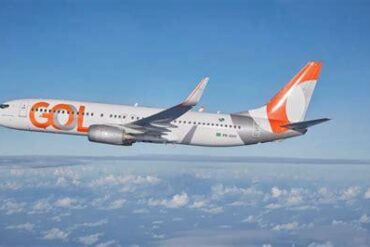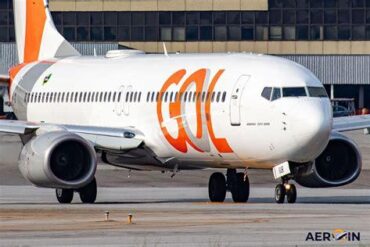
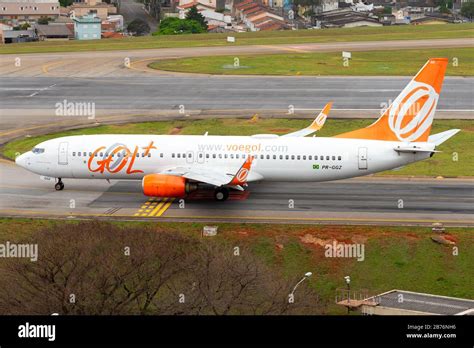
GOL Linhas Aéreas, Brazil’s second-largest airline, has officially emerged from Chapter 11 bankruptcy protection, closing a turbulent chapter marked by pandemic-era setbacks, ballooning debt, and aircraft delivery delays. The airline announced on June 6 that it had successfully completed the U.S. legal restructuring process, reemerging with approximately US$900 million in cash and a sharpened strategy for regional and international expansion.
The exit from Chapter 11 not only stabilizes GOL’s financial posture but also signals the dawn of a more agile, market-responsive era. Central to this new chapter is the carrier’s openness to diversify beyond its historically uniform Boeing 737 fleet—a move that could dramatically reshape Brazil’s regional aviation landscape.
A Financially Recharged GOL Prepares for a Comeback
Following its filing for bankruptcy protection in early 2024, GOL underwent an intense period of financial and operational recalibration. The company raised US$1.9 billion in capital and fully repaid its debtor-in-possession (DIP) loan. The result is a significantly deleveraged balance sheet and increased liquidity, allowing the airline to confidently re-enter competitive markets.
“Today we are significantly stronger. We rationalized our fleet, optimized our costs, redesigned our network, improved our operational focus and boosted our administrative efficiency,” said CEO Celso Ferrer, reflecting on the airline’s disciplined transformation.
GOL’s new financial position places it in a compelling stance to expand both domestically and internationally. One of its top priorities is strengthening service on underserved routes in Brazil’s interior and smaller South American cities, extending as far as southern Argentina and South Florida.
Why Embraer E2 Jets Are Gaining Traction
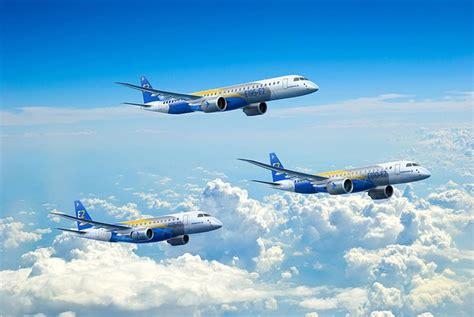
Perhaps the most significant revelation from GOL’s post-Chapter 11 strategy is its willingness to consider a diversified fleet that includes regional jets—specifically the Embraer E195-E2. This is a remarkable pivot for a carrier long defined by fleet standardization around the Boeing 737 platform, which historically streamlined operations, maintenance, and training.
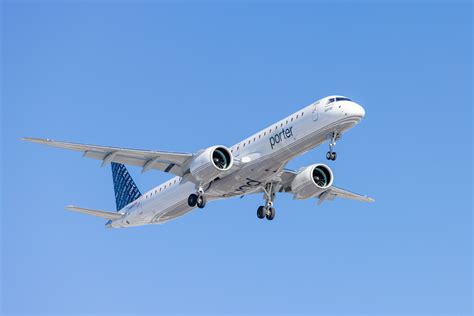
Introducing Embraer’s E2 family would equip GOL to optimize performance on low-density routes where deploying a larger Boeing 737 may be economically inefficient. The E195-E2, with its improved fuel efficiency, lower operating costs, and regional adaptability, aligns closely with GOL’s need to recapture market share in secondary markets.
Embraer’s jets could also serve as a linchpin for accessing newer, thinner routes previously deemed unviable under GOL’s single-fleet model. The potential shift could address a longstanding limitation in the Brazilian aviation ecosystem—poor connectivity between smaller cities—boosting both passenger yields and market penetration.
E2 Jets Could Be a Catalyst for Market Agility
Incorporating regional jets would not only boost connectivity but offer operational flexibility during periods of demand volatility—a crucial consideration in a post-pandemic world where traffic recovery remains uneven across geographies.
Additionally, the E195-E2’s range of 2,600 nautical miles and capacity for up to 146 passengers (in single-class layout) allows it to serve as a hybrid workhorse: efficient enough for regional missions, yet robust enough for high-frequency shuttles between mid-tier urban centers.
More critically, GOL’s interest in Embraer aircraft could introduce new synergies with the Brazilian aerospace sector, reinforcing its domestic economic impact. Given Embraer’s headquarters in São José dos Campos and its strategic relevance to Brazil’s industrial base, this partnership could also foster policy alignment and attract government incentives.
Boeing Still in the Picture: A Dual-Fleet Future?
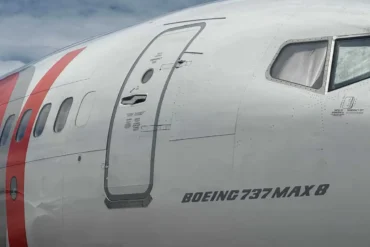
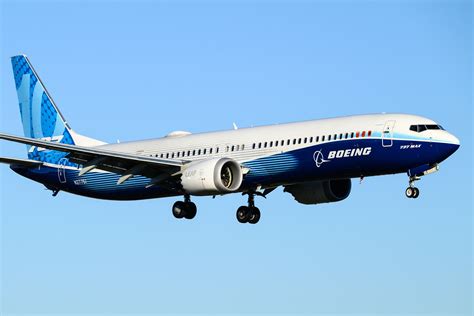
GOL’s pivot doesn’t imply abandonment of Boeing. The airline confirmed it will continue taking deliveries of five new 737 MAX aircraft through 2025, part of its broader effort to modernize its narrowbody mainline fleet. These aircraft offer superior fuel efficiency and increased range, crucial for GOL’s medium-haul operations, particularly those linking Brazil to North and Central America.
However, the new willingness to explore regional aircraft points to a dual-fleet future, where Boeing handles trunk routes and Embraer covers the spokes. If executed properly, this could significantly boost network elasticity and route economics.
Route Expansion and Connectivity Strategy Post-Restructuring
Now flush with capital, GOL plans to ramp up operations from Brazil’s major hubs—São Paulo, Rio de Janeiro, and Brasília—while enhancing penetration in underserved northern and southern regions. These include states like Pará, Mato Grosso do Sul, and Santa Catarina, where limited air connectivity has long constrained economic growth.
The inclusion of Embraer jets, should it materialize, would enable GOL to better serve secondary airports like Joinville, Uberlândia, and Petrolina—locations with consistent, albeit lower-density demand. Strategically, this would allow GOL to match capacity with demand more precisely, reducing per-seat costs and maximizing fleet productivity.
Internationally, the airline is expected to pursue growth in leisure and VFR (visiting friends and relatives) segments, particularly between northeastern Brazil and Florida, as well as from southern Argentina to São Paulo and Rio. These routes are often underserved yet critical for diaspora travel and tourism.
The Role of Abra Group and Merger Speculations
Overlaying this entire scenario is the evolving role of Abra Group, the parent company controlling both GOL and Avianca. The group is currently engaged in confidential merger discussions involving Azul Linhas Aéreas, another major Brazilian carrier that recently emerged from its own restructuring process.
CEO Celso Ferrer confirmed these negotiations remain active, emphasizing that any deal must generate tangible strategic and operational value. A potential merger with Azul could create Latin America’s largest low-cost airline group, consolidating routes, streamlining costs, and enhancing fleet utilization across the continent.

Yet analysts caution that such a move would face significant antitrust hurdles, given the combined entity’s dominant market share in Brazil. Integration logistics, labor agreements, and aircraft harmonization would also pose complex challenges. Still, for GOL, aligning with Azul could bring substantial network synergies and fortify its position against foreign competitors entering the Brazilian market.
Toward 2026: A New Growth Horizon
Looking ahead, GOL is targeting a return to pre-pandemic scale by 2026, a goal that will hinge on multiple variables: macroeconomic stability, fuel price moderation, and, critically, the successful integration of new aircraft types and operational models.
Investments in digital technology, passenger service improvements, and crew training are also expected to be scaled up. If the Embraer acquisition proceeds, GOL may need to establish new maintenance infrastructure, regional operations teams, and retrain pilots—developments that will carry upfront costs but promise long-term returns.
Final Thoughts: From Survival to Strategic Reinvention
GOL’s exit from Chapter 11 is far more than a financial recovery—it’s the pivot point for a bold reimagining of its role in Latin American aviation. By moving beyond a one-size-fits-all fleet strategy and embracing the operational nuance offered by regional jets like the Embraer E195-E2, the airline positions itself to serve more communities, capture latent demand, and compete more effectively in a dynamic, fragmented market.
This evolution—from survival mode to strategic reinvention—could not only restore GOL’s pre-pandemic strength but elevate it as a template for post-crisis resilience in the global airline industry.