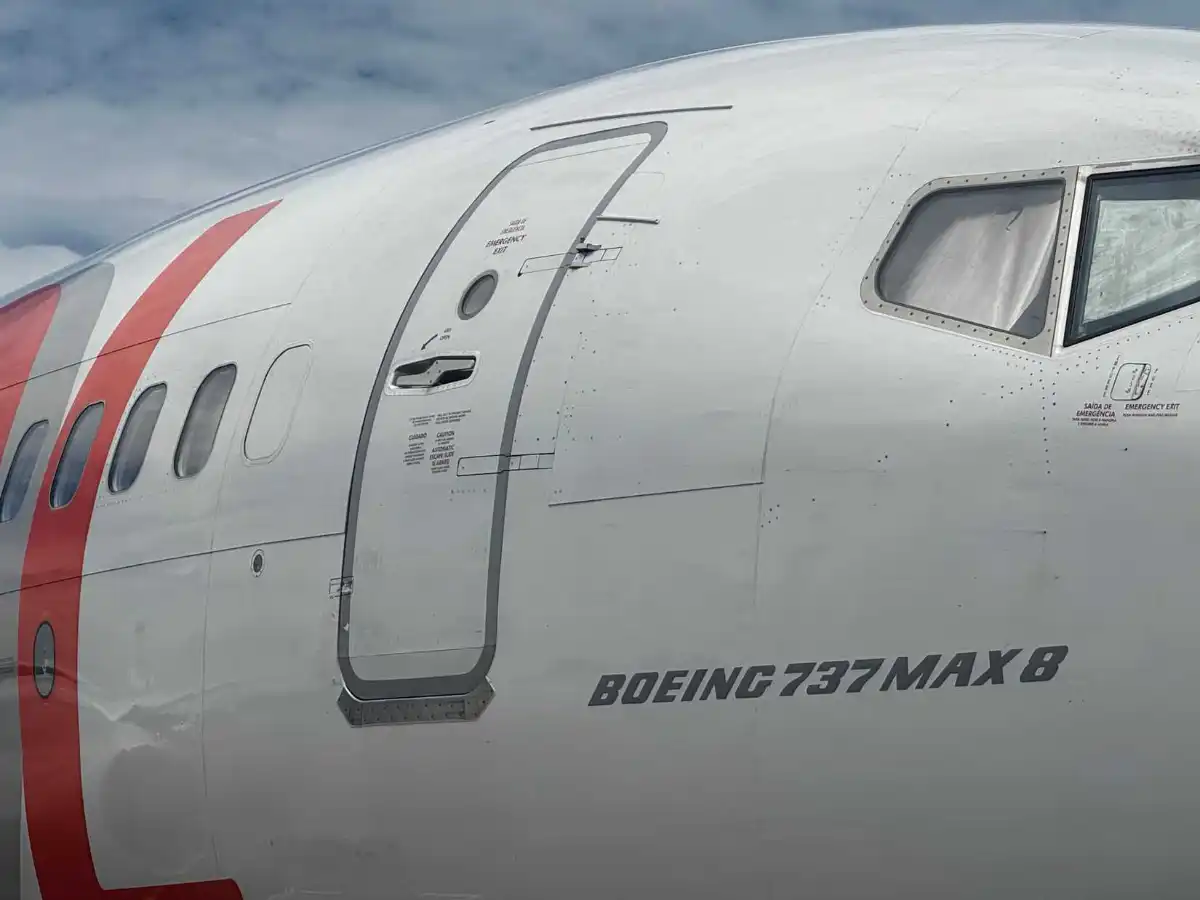
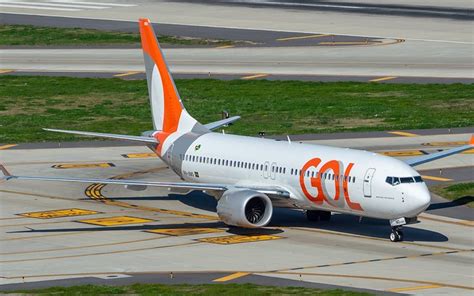
The Boeing 737 MAX 8 program has faced another difficult spotlight after two nearly new aircraft operated by Brazilian carrier GOL Linhas Aéreas were reportedly removed from service and prepared for dismantling after only a few months of passenger operations. The jets, which entered service in late 2025, experienced repeated technical problems that made them increasingly uneconomical to operate.
Rather than investing further resources into repairing the aircraft, the airline and its lessor determined that parting out the jets was the most financially practical solution. The two aircraft are expected to be transported to Pinal Airpark in Marana, Arizona, where valuable components will be recovered and the remaining structures dismantled.

New Boeing 737 MAX 8 Aircraft Struggled With Reliability Problems
The two affected 737 MAX 8 aircraft were delivered to GOL as part of the airline’s fleet expansion plans. However, shortly after entering commercial service, both jets experienced unusually frequent maintenance visits and operational disruptions.
According to reports, the aircraft suffered from multiple issues involving their CFM LEAP-1B engines, center-of-gravity concerns, and various smaller technical problems. These defects contributed to poor dispatch reliability, meaning the aircraft were unavailable for scheduled flights more often than expected.
For airlines, a modern aircraft is designed around high utilization. A narrowbody jet such as the 737 MAX 8 typically generates revenue by flying multiple sectors each day. When an aircraft spends extended periods on the ground, operators lose income while still facing expenses related to leasing, maintenance support, and technical staffing.
The two jets reportedly spent significant time undergoing troubleshooting before eventually being removed from GOL’s active fleet. After around seven weeks at a maintenance facility at Confins International Airport (CNF) in Belo Horizonte, the aircraft were returned to their lessor.
Aircraft Delivered in 2025 Were Considered Part of a Problematic Batch
The two aircraft involved are identified as PS-GRM and PS-GRN, with Boeing production serial numbers 9264 and 9370. The first aircraft completed its initial flight on July 25, 2025, while the second took its first flight on October 9, 2025.
Despite their young age, both aircraft were flown to Arizona in March 2026 for their final fate. The two Boeing jets arrived at Pinal Airpark on March 29, marking the end of their short operational lives.
The situation attracted attention because the aircraft had accumulated only a fraction of the flight hours normally expected before major retirement decisions are considered. Commercial aircraft are often designed to operate for decades, making the decision to dismantle aircraft less than a year old extremely unusual.
The aircraft were described by some industry observers as coming from a “bad batch,” although questions remain because their production line numbers are separated by more than 100 units. This suggests that the issue may not have been limited to a simple manufacturing sequence problem.
A Third Boeing 737 MAX 8 Adds More Questions
Adding complexity to the situation, a third aircraft originally intended for GOL appeared to have a very different outcome. The aircraft registered as PS-GRO was delivered between the two problematic jets but never entered passenger service with the Brazilian airline.
Instead, after GOL declined to formally accept the aircraft, it was returned to the lessor. The jet later underwent maintenance work with Lufthansa Technik before being placed with another operator.
The aircraft was eventually delivered to Air Algérie as part of the airline’s fleet modernization efforts and received the Algerian registration 7T-VLQ. Unlike the other two aircraft, PS-GRO appears to have entered service normally, suggesting that the problems affecting PS-GRM and PS-GRN may have been isolated cases rather than a widespread 737 MAX production issue.
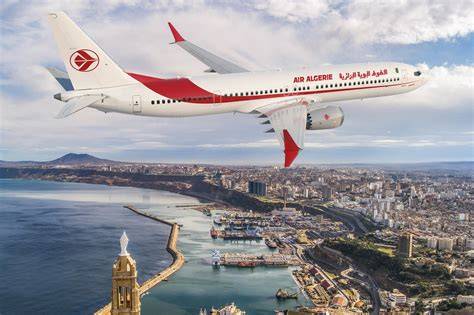
The different outcomes of the three aircraft highlight how individual aircraft quality issues can create dramatically different results, even among jets built around the same period and intended for the same airline.
Why Scrapping Nearly New Aircraft Can Make Financial Sense
Although dismantling two almost-new aircraft appears extreme, aviation economics often make such decisions practical. Airlines operate on tight margins, and an aircraft that repeatedly fails to meet reliability targets can become a significant financial burden.
A jet that remains grounded requires continued spending on maintenance teams, replacement parts, inspections, and storage. At the same time, the airline loses revenue opportunities because the aircraft cannot perform scheduled flights.
For GOL, continuing to operate aircraft with repeated technical problems could have resulted in higher fuel costs, inefficient scheduling, and unpredictable maintenance expenses. Returning the aircraft to the lessor eliminated ongoing lease payments for aircraft that were not generating sufficient revenue.
For the lessor, dismantling the jets allows valuable components such as engines, avionics systems, landing gear, and other aircraft parts to be recovered. These components can potentially support other aircraft fleets and provide financial value that would otherwise be lost.
Boeing 737 MAX Quality Control Remains Under Industry Attention
The retirement of these two aircraft comes at a time when Boeing’s manufacturing quality and aircraft delivery standards remain closely watched by airlines, regulators, and aviation analysts. While the 737 MAX family continues to be one of the world’s most widely operated commercial aircraft, isolated reliability problems can create significant challenges for operators.
Modern aircraft programs depend on precise manufacturing, rigorous testing, and strong supplier coordination. Even small defects discovered after delivery can lead to expensive disruptions for airlines and leasing companies.
The case of GOL’s two Boeing 737 MAX 8 aircraft demonstrates that age alone does not determine an aircraft’s value. In commercial aviation, reliability and operational performance are often more important than the aircraft’s purchase price or remaining lifespan. For these two jets, the cost of keeping them flying ultimately became greater than the value recovered through dismantling.