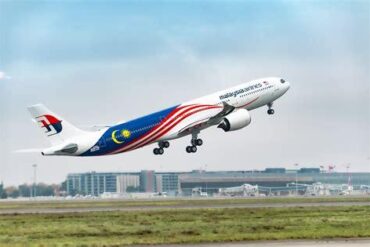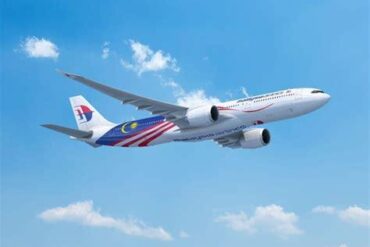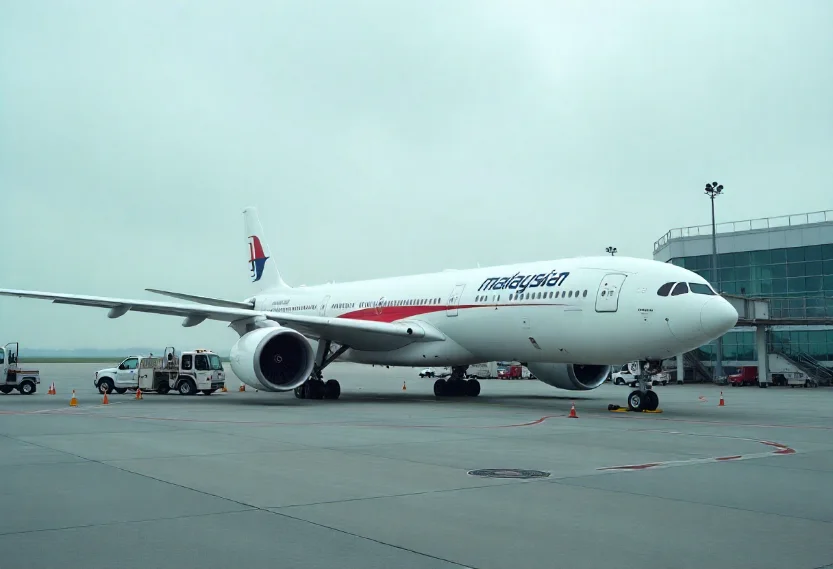
In a serious blow to its ambitious post-pandemic recovery plans, Malaysia Airlines has announced the immediate grounding of its newly inducted Airbus A330neo aircraft, citing critical technical failures. The aircraft, which had only recently commenced commercial operations, has become the centerpiece of a growing operational crisis for the flag carrier. This development comes amid a tumultuous 2024 that has already seen labour shortages, route reductions, and maintenance constraints, posing significant challenges to the airline’s strategic revival.
The Technical Breakdown: Factory Defects Prompt Urgent Action
The decision to ground the A330neo followed its first operational flight on December 19, 2024, from Kuala Lumpur to Melbourne. It was supposed to mark a new era for Malaysia Airlines, introducing a modern, fuel-efficient long-haul jet designed to enhance passenger comfort and reduce operating costs. Instead, the flight unveiled unacceptable technical anomalies.
According to CEO Izham Ismail, the fault stemmed from manufacturing defects, not operational errors. “Such technical faults with a brand-new aircraft are unacceptable,” he said, emphasizing the damage this has caused to the airline’s brand integrity. The problem reportedly lies in a defective engine component, linked to the Rolls-Royce Trent 7000 engine, a critical propulsion unit for the A330neo series. Rolls-Royce has confirmed involvement and is conducting a detailed inspection.
Airbus, for its part, has pledged full cooperation, offering technical support to swiftly resolve the issue. However, no official timeline has been announced for when the aircraft will return to service. This leaves Malaysia Airlines without a key asset during a time of increased travel demand and high passenger expectations.
Operational Setbacks Compound a Difficult Year
The A330neo issue is just the latest in a series of operational troubles. Malaysia Airlines has been grappling with an acute shortage of skilled aviation personnel, particularly within aircraft maintenance divisions. These workforce gaps have led to delays, diminished aircraft readiness, and have forced the airline to scale back its route network, especially on low-yield or long-haul services.
Efforts to recover from the economic fallout of the COVID-19 pandemic have been further slowed by these systemic weaknesses. Instead of gaining momentum, the airline’s recovery appears trapped in a cycle of setbacks that threaten its regional competitiveness. In a market where airlines like Singapore Airlines and Cathay Pacific are aggressively expanding, Malaysia Airlines risks losing its seat at the table.
What the A330neo Meant for Malaysia Airlines
The grounded aircraft is not just a machine — it symbolizes the airline’s fleet renewal strategy. Malaysia Airlines had committed to acquiring 20 Airbus A330neo aircraft, positioning them as the cornerstone of its future long-haul operations. Equipped with Rolls-Royce Trent 7000 engines, the jets offer up to 25% lower fuel consumption and improved environmental performance over older A330 variants.
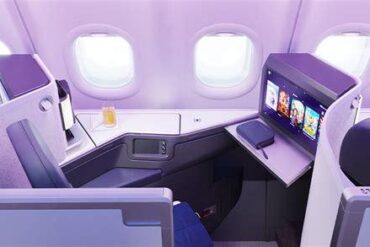
These aircraft were also expected to elevate passenger experience through modern cabins, quieter engines, and improved range. The airline envisioned them as ideal replacements for its aging A330-200 and A330-300 fleets. The delay in deployment puts stress on that transition plan and may force Malaysia Airlines to extend the life of older aircraft, increasing maintenance costs and further straining limited engineering resources.
Safety First: A Non-Negotiable Standard
Malaysia Airlines’ chief executive made clear that safety overrides all operational concerns. “I cannot take any risk on safety,” said Izham Ismail. That uncompromising stance underscores the airline’s ongoing efforts to rebuild trust, especially following its historical safety traumas involving MH370 and MH17.
To that end, Malaysia Airlines has launched an internal review and joint investigation with Airbus and Rolls-Royce. This includes examining both hardware and software systems in the A330neo, alongside a thorough revalidation of engine performance parameters. Early reports suggest the affected part may require complete replacement, a process that could extend into several weeks or even months, depending on parts availability and regulatory clearances.
Strategic Ramifications: Rethinking Fleet and Network Plans
The grounding has far-reaching implications beyond the immediate disruption. Malaysia Airlines will now have to revisit its fleet deployment schedules, lease agreements, and route planning strategies. The reduced long-haul capacity may force the airline to prioritize high-yield destinations, dropping marginal routes and possibly delaying planned route launches to Europe and Australia.
Furthermore, with other carriers like Emirates, Turkish Airlines, and Qatar Airways aggressively expanding their Southeast Asian footprint, Malaysia Airlines risks being outflanked in premium travel segments. The A330neo was also expected to play a role in the airline’s cargo business, offering better payload economics—another opportunity now postponed.
The Manpower Crisis: A Lingering Threat
Beyond hardware, the airline’s manpower shortages remain a critical bottleneck. Recruitment and retention of certified aviation engineers and ground crew have proven difficult. Many skilled workers exited the industry during the pandemic and have not returned. Malaysia Airlines is now looking to accelerate hiring programs, offering better compensation packages and faster certification processes, but rebuilding this talent base takes time.
The airline is also working closely with regulatory bodies and local training institutions to ramp up workforce supply. However, this is not a short-term fix. Until these gaps are addressed, operational reliability will remain in question—even if aircraft availability improves.
Global Spotlight: How the Aviation Industry Views This Setback
The A330neo grounding has resonated across the global aviation sector, not just because of the aircraft involved, but due to what it reveals about modern fleet risks. Airlines increasingly rely on high-tech, highly integrated aircraft systems, where even a small component failure can have outsized ripple effects.
Malaysia Airlines’ situation highlights the fragility of modern fleets when OEM support chains—like those of Airbus and Rolls-Royce—are disrupted or flawed. This case may prompt other airlines to scrutinize their own A330neo aircraft more closely, and regulators may push for additional oversight before further deliveries.
Looking Ahead: Repair, Rebuild, and Reassure
Despite the immediate setbacks, Malaysia Airlines remains focused on long-term goals. The company insists the A330neo program will go forward, though with tighter quality control protocols and deeper integration with OEM diagnostics. Airbus and Rolls-Royce have both reaffirmed their commitment to resolving the current issues without compromising the aircraft’s core performance promises.
In parallel, Malaysia Airlines will have to win back passenger trust, especially on long-haul routes. Transparency, operational stability, and consistent communication will be key. The airline is expected to provide updates on fleet progress, restoration timelines, and route resumptions over the coming weeks.
It is also probable that Malaysia Airlines may renegotiate certain delivery schedules, deferring incoming A330neo units until confidence is restored in manufacturing consistency. This could reshape the pace of its fleet modernization, though the carrier has indicated it has no plans to cancel existing orders.
Final Word: Crisis or Course Correction?
Whether this episode becomes a temporary bump or a defining crisis depends on how swiftly and transparently Malaysia Airlines can act. The grounding of the A330neo has exposed deeper systemic issues—both in its own operations and in its dependence on external manufacturers. It has also thrown a wrench into its carefully planned recovery roadmap.
Yet, there is also an opportunity in adversity. By choosing to act decisively and prioritizing safety, Malaysia Airlines has reinforced a core value that will resonate with passengers. What remains to be seen is whether this commitment can be matched with executional excellence, both on the ground and in the air, in the weeks and months ahead.
The airline now stands at a crossroads—either emerge from this stronger, or risk slipping further behind in the hypercompetitive skies of Southeast Asia.