The decision by Delta Air Lines to suspend VIP travel services for members of Congress has ignited a sharp debate about fairness, accountability, and the real-world consequences of political dysfunction. What was once an invisible layer of convenience for lawmakers has suddenly vanished, exposing the same frustrations faced daily by ordinary travelers.
At the center of this disruption is a growing operational crisis tied to the ongoing government shutdown, which has left tens of thousands of Transportation Security Administration officers working without pay. The ripple effects have been immediate and severe: staffing shortages, chaotic security lines, and airports pushed to their limits.
Why Delta Drew the Line
Delta’s CEO, Ed Bastian, did not soften his stance. Labeling the situation “inexcusable” and “ridiculous,” he made it clear that continuing to offer preferential treatment to lawmakers while frontline security personnel go unpaid was untenable. His criticism wasn’t just rhetorical—it translated into a tangible policy shift.
By suspending specialty services, Delta effectively removed a long-standing privilege that allowed members of Congress to bypass many of the friction points in air travel. The move signals a recalibration of priorities: operational stability and employee welfare now outweigh political courtesy.
What Lawmakers Just Lost Overnight
For years, members of Congress have benefited from a suite of streamlined airport services designed to minimize delays and maximize efficiency. These weren’t minor perks—they fundamentally altered the travel experience.
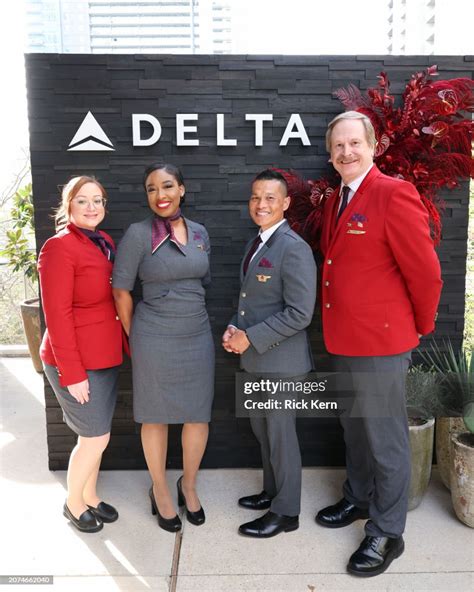
Typically, lawmakers were met curbside by Delta’s elite “Red Coat” agents, escorted through expedited check-in, and guided through priority security lanes. Their itineraries were handled with exceptional flexibility, enabling last-minute changes, upgrades, and rapid rebooking during disruptions.
Now, stripped of these advantages, they are being funneled into the same system as everyone else—subject to the same delays, uncertainties, and bottlenecks. The only exception is access to the Capital Desk, a reservation hotline that remains operational for logistical support.
A System Under Pressure
The broader aviation system is straining under the weight of the shutdown. Roughly 50,000 TSA employees have been affected, many forced to work without compensation for weeks. Unsurprisingly, absentee rates have surged, in some cases reaching nearly half the workforce at certain airports.
Major hubs have been particularly hard hit. At Delta’s primary base, Hartsfield-Jackson Atlanta International Airport, absenteeism has exceeded 40% at times, triggering cascading delays and operational headaches.
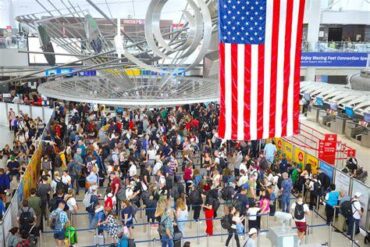
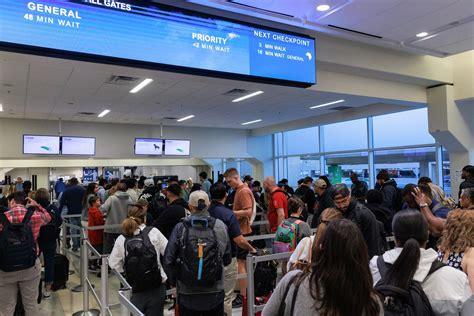
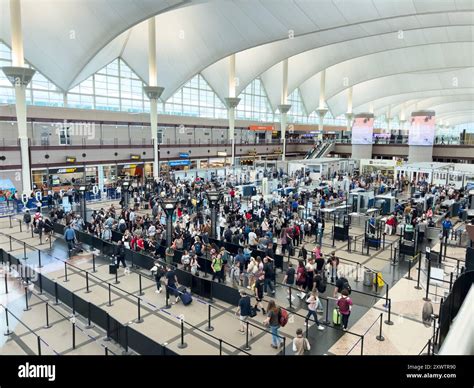
Passengers have reported waiting hours—sometimes up to six—just to clear security. Airlines have responded by urging travelers to arrive far earlier than usual, effectively reshaping the rhythm of air travel across the country.
Delta Staff Step Into the Breach
In an extraordinary workaround, Delta has deployed its own ground staff to assist at security checkpoints. While they are not authorized to conduct screenings or operate equipment, their presence has helped ease congestion by directing passenger flow and maintaining order.
This unconventional solution underscores the severity of the situation. Airlines, traditionally dependent on federal agencies for security operations, are now improvising to keep passengers moving.
At the same time, the federal government has turned to Immigration and Customs Enforcement agents to reinforce airport staffing. Deployed to multiple airports, their involvement has provided partial relief, though it remains a controversial measure among aviation professionals.
A Symbolic Move With Real Consequences
Delta’s decision carries symbolic weight far beyond its immediate operational impact. By removing VIP privileges for lawmakers, the airline has effectively erased the buffer that insulated them from the consequences of policy gridlock.
This shift forces a direct confrontation with reality. When those responsible for governance experience the same delays and frustrations as the public, the abstract becomes tangible. Long lines, missed connections, and travel uncertainty are no longer distant complaints—they are lived experiences.
For many observers, this is precisely the point. The removal of perks is not merely a logistical adjustment; it is a statement about shared accountability.
Airlines Unite in Frustration
Delta is not alone in its criticism. Multiple airline CEOs have jointly called on Congress to resolve the funding impasse and restore pay to TSA workers. The aviation industry, highly sensitive to disruptions, has little tolerance for prolonged instability.
Yet, Delta stands apart in taking decisive action. While other carriers continue to offer similar VIP services, none have publicly announced comparable suspensions. This positions Delta as both a critic and a catalyst, potentially pressuring competitors to reconsider their own policies.
The Passenger Experience Redefined
For everyday travelers, the implications are mixed. On one hand, the removal of priority pathways for lawmakers could marginally reduce congestion in certain areas. On the other, the overarching issue—insufficient staffing—continues to dominate the experience.
Airports remain unpredictable environments, with delays and extended wait times now the norm rather than the exception. The presence of additional personnel, whether airline staff or federal agents, offers incremental relief but does not fully resolve the underlying problem.
A Turning Point in Airline-Government Dynamics
This episode marks a notable shift in the relationship between airlines and government institutions. Historically, carriers have maintained a delicate balance, accommodating political figures while advocating for policy stability behind the scenes.
Delta’s move disrupts that equilibrium. By publicly challenging the status quo and altering its treatment of lawmakers, the airline has stepped into a more assertive role—one that blends operational necessity with moral positioning.
Whether this strategy accelerates political action remains uncertain. What is clear, however, is that the era of unquestioned VIP treatment for lawmakers—at least in times of crisis—has been decisively challenged.