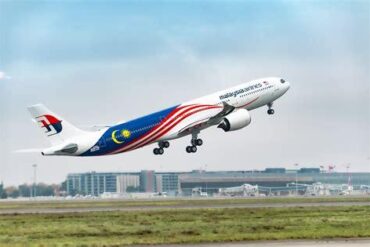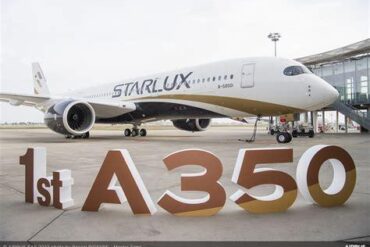
In a landmark move signaling a decisive industry shift, Malaysia Airlines has joined the ranks of Delta Air Lines, VietJet Air, Cathay Pacific, Virgin Atlantic and Starlux in placing significant orders for the next‑generation Airbus A330neo. This collective commitment marks a pivotal moment in global aviation, where fuel efficiency, passenger comfort and environmental responsibility converge to redefine long‑haul travel. Airlines and leasing firms around the world are racing to secure the A330neo’s advanced capabilities, ensuring their fleets remain competitive, sustainable and appealing to an ever‑discerning customer base.
The Airbus A330neo represents more than a simple fleet upgrade; it embodies a strategic transformation. By marrying proven A330 reliability with the latest Rolls‑Royce Trent 7000 engines, aerodynamic refinements and the Airspace cabin, Airbus has delivered an aircraft that offers a 25% reduction in fuel burn per seat compared to legacy models. This leap in operational efficiency directly translates into lower operating costs and reduced carbon emissions, addressing both airline bottom lines and global environmental targets. For passengers, the neo delivers wider seats, quieter cabins and advanced in‑flight entertainment systems that elevate the travel experience across all classes.
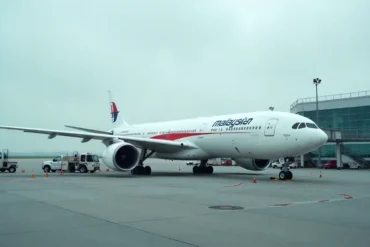
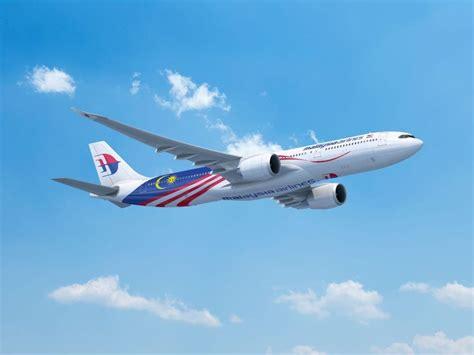
Malaysia Airlines has reinforced its long‑term vision by expanding its A330neo order to 40 aircraft, with deliveries slated between 2029 and 2031. This move builds on the Group’s 2022 agreement for 20 units—split evenly between direct purchases and leasing—and underscores its commitment to premium repositioning in the Asia‑Pacific hub market. The additional aircraft will enable Kuala Lumpur International Airport to strengthen its status as a major transit hub, offering seamless connections between Southeast Asia, Greater China, India and Australasia. With modern, fuel‑efficient jets lining its fleet, Malaysia Airlines is poised to compete head‑to‑head with regional giants such as Singapore Airlines and Cathay Pacific.
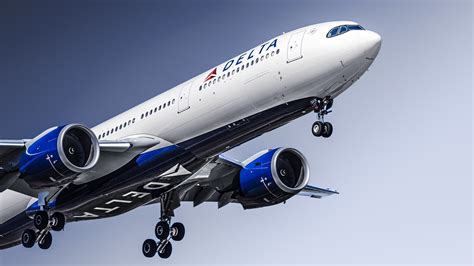
Global Orders Snapshot
Leading carriers and lessors worldwide have amassed substantial A330neo commitments, illustrating the aircraft’s strategic importance. Delta Air Lines placed the largest single‑carrier order to date with 37 jets; CIT Group and Air Lease Corporation respectively secured 35 and 29 aircraft to support lease demands; and flagship operators like Cathay Pacific and VietJet Air ordered 30 and 20 units. European adopters include Virgin Atlantic (13) for transatlantic renewal and TAP Air Portugal (12) for routes to Brazil and Africa, while Middle Eastern and Saudi budget carrier flynas ordered 15 for long‑haul expansion. New entrants such as Taiwan’s Starlux joined with an initial order of three, highlighting the neo’s appeal to both established and emerging carriers.
The A330neo’s Performance Edge
Under the hood, the A330neo’s Rolls‑Royce Trent 7000 engines offer unparalleled thrust‑specific efficiency, while sharklet wingtips and refined aerodynamics reduce drag. These enhancements combine to deliver a 10% improvement in range and 25% lower fuel consumption per seat compared to the previous A330ceo model. The Airspace by Airbus cabin introduces customizable LED lighting, increased overhead bin capacity and advanced air filtration systems, dramatically improving passenger well‑being on long flights. Airlines benefit from a flexible aircraft capable of missions spanning short regional hops to ultra‑long‑hauls, enabling agile network planning and optimized fleet utilization.
Asia‑Pacific: A Neo-Driven Renaissance
In the Asia‑Pacific region, post‑pandemic demand has surged, fueling a renaissance in air travel. Malaysia Airlines’ 40‑jet commitment signals aggressive hub expansion from Kuala Lumpur, aiming to capture premium and value segments alike. VietJet Air doubled its original order to 20, cementing its low‑cost carrier status while venturing into longer international routes. Garuda Indonesia and Cebu Pacific have also invested heavily in the neo, leveraging its efficiency to expand service across Indonesia’s sprawling archipelago and beyond. These strategic fleet renewals underscore the neo’s role as the workhorse of Asia’s aviation resurgence, balancing capacity growth with environmental imperatives.
European Fleet Renewal & Premium Focus
European carriers face strict emissions regulations and volatile fuel prices, driving a strong push toward newer, greener widebodies. Virgin Atlantic’s order for 13 A330neos will refresh its iconic London–New York and London–Los Angeles services, pairing lie‑flat suites and direct‑aisle access with improved fuel efficiency. TAP Air Portugal, with 12 deliveries already integrated, leverages the neo to connect Lisbon with Rio de Janeiro and Luanda, offering competitive operating economics on these long‑range routes. Meanwhile, legacy carriers such as Condor and Kuwait Airways are adding the neo to modernize fleets, meet environmental benchmarks and woo discerning travelers with enhanced cabin comfort.
Middle East & Emerging Players
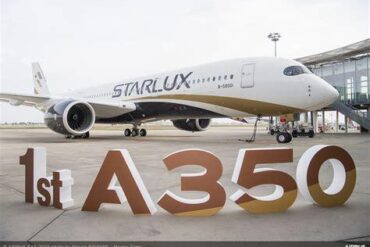
Even Gulf budget carrier flynas, backed by Saudi Arabia’s ambitious tourism expansion, has ordered 15 A330neos to unlock new intercontinental markets. Starlux Airlines, Taiwan’s premium challenger, chose three neos to differentiate its upscale offering, targeting niche routes underserved by major players. These diverse orders reflect the neo’s adaptability across business models—from low‑cost to ultra‑premium—and its capacity to open long‑haul corridors for carriers with varying network strategies.
Leasing Giants Fuel Market Momentum
Leasing companies play a critical role in accelerating neo adoption. CIT Group’s 35‑aircraft order and Air Lease Corporation’s 29‑jet commitment provide airlines with capital‑light alternatives, enabling immediate access to modern fleets without the burden of outright purchases. This flexible financing model allows carriers to scale capacity responsively, test new markets and maintain fleet modernization programs, ensuring the neo’s market penetration extends beyond carriers with deep balance sheets.
Elevating Passenger Experience
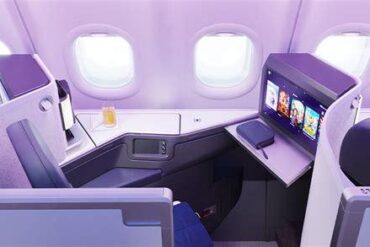
The neo’s Airspace cabin is engineered around passenger comfort. Business class cabins feature sliding privacy doors, fully lie‑flat seats and direct aisle access—essential for high‑yield travelers. Premium economy offers increased legroom and upgraded amenities, while economy cabins benefit from ergonomic seat designs, larger video screens and high‑speed connectivity options. Quiet Trent 7000 engines and enhanced insulation drop cabin noise by up to 50%, promoting restful flights. These passenger‑centric innovations empower airlines to differentiate their brands and command premium ticket prices in a competitive long‑haul market.
Sustainability: A Core Imperative
With global aviation accounting for roughly 2.5% of CO₂ emissions, carriers face mounting pressure from regulators, investors and eco‑conscious travelers. The A330neo’s 25% lower fuel burn and 50% reduction in noise footprint compared to its predecessor translate directly into fewer carbon emissions per flight. By integrating neos into their fleets, airlines can meet or exceed ambitious environmental targets, secure green financing and position themselves as responsible operators in an era of climate accountability.
Future Outlook & Long‑Term Impact
To date, the A330neo family has garnered 384 firm orders from 33 customers, with 155 aircraft delivered and hundreds more scheduled through 2030. Airbus forecasts sustained demand for mid‑size widebodies, estimating the market will require over 1,000 new aircraft in this segment over the next two decades. The neo’s proven economics, flexible range and passenger appeal make it a backbone of global fleet renewal strategies, influencing network development and competitive dynamics across continents.
Malaysia Aviation Group’s Strategic Blueprint
Building on its 2022 deal for 20 A330neos (10 direct and 10 via lessor Avolon), Malaysia Aviation Group doubled down with an additional 20‑aircraft purchase, demonstrating unwavering confidence in its premium repositioning. Scheduled for delivery between 2029 and 2031, these jets will underpin Kuala Lumpur’s ascent as a world‑class transit hub, strengthening connectivity between Asia, Europe and Australasia. Equipped with the latest cabins and efficiency improvements, Malaysia Airlines is ready to outpace regional rivals through fleet flexibility, superior passenger experience and a bold sustainability narrative.
As the aviation industry charts a course toward greener, more comfortable and cost‑effective travel, the Airbus A330neo stands at the forefront of this transformation. With Malaysia Airlines and its global partners racing to secure their share, the skies are poised for a renaissance where efficiency and luxury fly hand in hand.