Thai Airways International has recently celebrated a significant milestone by exiting its court-supervised debt restructuring program, a process that lasted four arduous years. The Central Bankruptcy Court in Bangkok officially approved this momentous decision, marking a pivotal point not just for the airline but also for Thailand’s aviation industry as a whole. This approval restores the national carrier’s financial stability and opens the door for the resumption of trading on the stock market, signaling renewed investor confidence and enhancing Thailand’s stature within the global aviation sector.
A Journey Through Challenges
The road to recovery was anything but smooth for Thai Airways. Entering bankruptcy-protected restructuring in 2020, the airline faced dire circumstances as the COVID-19 pandemic wreaked havoc on global travel demand. The airline found itself grappling with substantial debt amidst an unprecedented crisis, similar to many other carriers worldwide that struggled to adapt during one of the most challenging periods in aviation history. In response to this turmoil, Thai Airways implemented a comprehensive recovery plan that included a series of drastic yet necessary measures.
To stabilize its financial position, Thai Airways undertook significant workforce reductions, slashed operational costs, renegotiated with creditors, and streamlined its fleet to align with the reduced travel demand. These difficult decisions, while painful, were essential for cutting expenses and managing liabilities effectively. The Central Bankruptcy Court acknowledged that the airline successfully fulfilled all obligations outlined in its restructuring plan, including raising the requisite capital and achieving profitability before tax, which ultimately led to the court’s favorable ruling.
Capital Injection Fuels Recovery
A crucial element of Thai Airways’ successful restructuring was the substantial capital injection it secured. This infusion came from a combination of new investments, equity offerings, and asset sales, which provided not only the means to meet immediate financial obligations but also a buffer against ongoing operational challenges. Alongside financial restructuring, the airline prioritized operational efficiency by renegotiating aircraft lease agreements, trimming unnecessary routes, and focusing on high-yield destinations. This strategic approach allowed Thai Airways to maintain a leaner business model while enhancing service quality, thereby maximizing profitability.
Reentering the Stock Market
With court approval now secured, Thai Airways is gearing up to resume trading on the Stock Exchange of Thailand (SET) in the upcoming months. This marks the first opportunity for investors to trade the airline’s shares in four years, reflecting a resurgence of confidence in its financial health and long-term sustainability. Analysts predict that the resumption of trading will attract fresh interest from both domestic and international investors, serving as a positive indicator of the Thai aviation sector’s recovery as global travel demand continues to rise.
Implications for Thailand’s Aviation and Tourism Industries
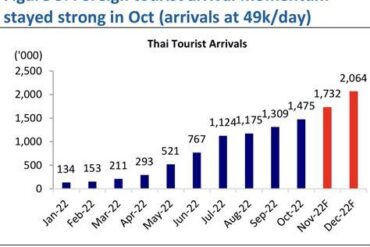
The successful restructuring and impending return to the stock market carry profound implications for Thailand’s aviation and tourism sectors. As the national carrier, Thai Airways plays a vital role in supporting tourism, a linchpin of Thailand’s economy. With international travel volumes rebounding and tourist arrivals increasing, the airline’s restored financial health positions it strategically to capitalize on this upswing. Moreover, the conclusion of Thai Airways’ rehabilitation program serves as a testament to the effectiveness of Thailand’s legal and financial systems in managing complex corporate restructurings, illustrating how public-private collaboration can steer major corporations back toward stability.
Looking Ahead: A Vision for Sustainable Growth
Having completed its restructuring, Thai Airways is now focused on charting a path toward long-term profitability and sustainable growth. The airline plans to expand its international network, modernize its fleet, and invest in customer service enhancements to elevate the passenger experience. The leadership at Thai Airways remains optimistic about the future, noting that the lessons learned during the restructuring have fortified the organization’s resilience and operational discipline. The airline aims to play a pivotal role in the recovery of global travel, leveraging Thailand’s position as a key tourism hub in Southeast Asia.
As Thailand’s aviation sector celebrates this major breakthrough, the successful exit of Thai Airways from debt restructuring signifies not only a victory for the airline but also a broader vote of confidence in the nation’s economic recovery. All eyes are now on how Thai Airways navigates the opportunities and challenges ahead in the post-pandemic aviation landscape.