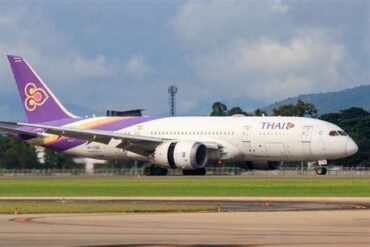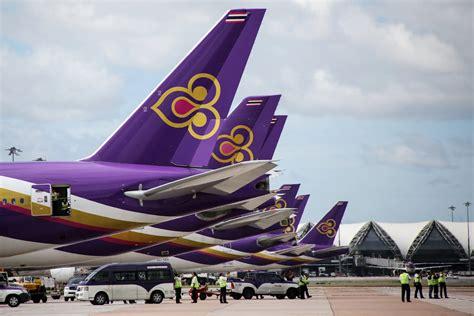
Thailand’s national carrier, Thai Airways, has successfully completed its remarkable debt restructuring journey, marking a major milestone in its financial recovery. After years of bold reforms, including massive debt repayments and operational streamlining, the airline is now poised for a powerful return to the stock market by August. This triumphant comeback signals not only the airline’s renewed strength and resilience but also opens a new chapter of growth and confidence for Thailand’s aviation sector.
A Turbulent Chapter in Thai Airways’ History
The troubles for Thai Airways began long before the pandemic, but COVID-19 accelerated its financial downfall. In 2020, as the pandemic decimated global air travel, Thai Airways filed for bankruptcy protection and entered a court-supervised debt restructuring process. International travel bans, grounded flights, and plummeting passenger numbers pushed the airline into a severe liquidity crisis, forcing urgent measures to keep the company afloat. The bankruptcy court in Thailand approved a comprehensive restructuring plan designed to stabilize Thai Airways’ finances and ensure its long-term viability. To implement the plan, the airline carried out major internal changes, slashing its staff by fifty percent and downsizing its fleet to streamline operations. These difficult but necessary steps allowed the airline to lower operating expenses and adapt to the reduced demand for international travel.
The Scale of Debt and Repayment Progress
When Thai Airways began its restructuring process, the airline was burdened with a massive debt totaling around one hundred ninety billion baht, which translated to nearly five point eight six billion US dollars. The size of the debt was one of the largest in the history of Thailand’s corporate sector, putting enormous pressure on both the company and its creditors. Over the course of the restructuring process, Thai Airways has made significant progress in repaying its obligations. To date, the airline has repaid around ninety-four billion baht, or roughly half of its total outstanding debt. The remaining debt is scheduled to be paid in installments over the next decade, in accordance with the restructuring plan authorized by the bankruptcy court. The ability to meet these repayment milestones has reassured investors, regulators, and the broader financial community that Thai Airways is on a stable path toward full recovery. The airline’s disciplined financial management, combined with the gradual rebound in global air travel demand, has been instrumental in its successful navigation through these challenging times.
Return to the Stock Market
Perhaps the most significant development in Thai Airways’ recovery story is its expected return to stock market trading. The airline anticipates that its shares will once again be listed and traded on the stock exchange as early as August. This move is seen as a vote of confidence in Thai Airways’ financial health and operational stability, and it offers an opportunity for both existing and new investors to participate in the airline’s next growth phase. Market analysts are closely watching Thai Airways’ planned return to public trading. While challenges remain, especially in a highly competitive aviation sector, the airline’s streamlined operations and strategic focus on profitable routes position it well for future growth. The re-listing is also expected to strengthen the airline’s ability to raise capital for future expansions and fleet modernization.
Operational Resilience and Future Outlook
Throughout its restructuring, Thai Airways has not only focused on reducing costs but also on redefining its business model to align with changing travel patterns and consumer expectations. The airline has optimized its route network, emphasizing routes with strong demand while cutting unprofitable ones. This leaner operation enables Thai Airways to remain competitive even as fuel prices, inflation, and global uncertainties continue to impact the aviation industry. Additionally, Thai Airways has invested in enhancing its customer service experience, introducing new digital platforms, loyalty programs, and improved in-flight services to attract both business and leisure travelers. The airline’s reputation as a premium full-service carrier remains strong, particularly within the Asia-Pacific region, which continues to see robust growth in passenger traffic.
Looking ahead, Thai Airways’ management remains cautiously optimistic. The successful exit from its debt restructuring programme and re-entry into stock market trading will serve as pivotal milestones in its ongoing turnaround. Industry experts believe that as Thailand’s tourism sector continues to rebound, driven by a steady influx of international visitors, Thai Airways will benefit from increased passenger volumes and improved financial performance.
Conclusion
Thailand’s Thai Airways has successfully completed its bold debt restructuring, clearing billions in debt and preparing for a powerful stock market comeback this August, marking a major milestone in its financial revival. Thai Airways’ transformation from near bankruptcy to financial stability highlights its remarkable resilience and the success of its carefully executed restructuring strategy. With nearly half of its massive debt already repaid, a streamlined workforce, and a more efficient fleet, the airline is positioned for sustainable growth. Its anticipated return to stock market trading by August not only marks the end of a difficult chapter but also opens a new era of opportunity for Thailand’s flag carrier.