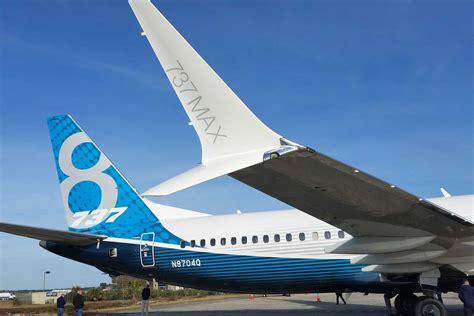
The commercial aviation market has always moved in cycles, but few shifts have been as dramatic as the resurgence of the Boeing 737 MAX. After several turbulent years marked by regulatory scrutiny, production slowdowns, and fierce competition from Airbus, the aircraft family is now experiencing a powerful revival. Airlines across North America and beyond are placing large orders once again, signaling renewed confidence in Boeing’s flagship narrowbody program and reshaping the competitive dynamics of the single-aisle aircraft market.
For much of the late 2010s and early 2020s, the narrowbody narrative appeared firmly in Airbus’ favor. The Airbus A320neo family, particularly the larger A321neo, captured a wave of airline orders and eroded Boeing’s historical dominance in the sector. Meanwhile, the 737 MAX grounding between 2019 and 2020, followed by manufacturing concerns that resurfaced in 2024, created uncertainty among airline planners. The result was a market environment where Airbus steadily accumulated order momentum while Boeing focused on rebuilding trust.
By 2026, however, the tone of the conversation has shifted. Airlines are once again committing to large fleets of 737 MAX aircraft, and Boeing’s order books are swelling. Several powerful forces are driving this surge, including improved production capacity, strong airline demand for efficient narrowbody jets, competitive economics, and a strategic shift toward diversified aircraft sourcing.
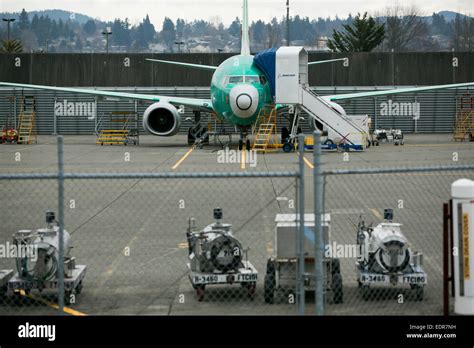
The Production Bottleneck That Once Slowed Boeing
The story behind the 737 MAX order surge cannot be understood without examining the manufacturing challenges that once constrained the program. Boeing has long demonstrated an ability to design aircraft that resonate with airlines. The Boeing 737-800, for instance, became the most widely produced commercial jet variant in history, while the Boeing 787-9 holds the distinction of being the most ordered widebody variant ever built.
Yet designing a successful aircraft is only half the battle. Building it reliably and at scale is equally crucial.
In early 2024, Boeing faced a serious setback when a door plug panel failed on an Alaska Airlines 737 MAX 9, forcing regulators to ground aircraft of the same configuration. Investigations linked the incident to manufacturing and assembly issues, prompting the Federal Aviation Administration (FAA) to impose strict oversight on Boeing’s production process.
The FAA capped 737 MAX output at 38 aircraft per month, significantly below Airbus’ A320neo production rate, which exceeded fifty aircraft monthly. For airlines waiting on deliveries, the production cap translated into longer lead times and operational uncertainty. For Boeing, it meant rising unit costs and immense pressure to prove that its assembly lines met the highest safety standards.
Over the following two years, Boeing embarked on a sweeping effort to strengthen manufacturing quality, improve oversight, and regain regulatory confidence. By 2026, those efforts began to show measurable results.
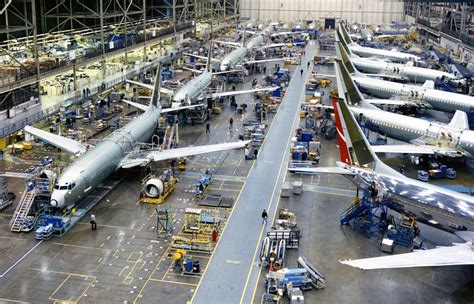
The company gradually increased output to 42 aircraft per month and began preparing for another expansion to 47 aircraft monthly, pending FAA approval. More importantly, Boeing initiated structural changes to its supply chain by working to acquire Spirit AeroSystems, one of its largest suppliers. By bringing key manufacturing components back under direct control, Boeing aims to stabilize production quality and reduce dependency on external suppliers.
Another major step is the construction of a fourth 737 final assembly line in Everett, Washington, scheduled to come online in 2026. Historically, Everett has been associated with widebody aircraft like the 747, 767, and 777. Introducing a narrowbody assembly line there represents a strategic shift designed to expand production capacity significantly.
Long term, Boeing hopes to push 737 production toward 63 aircraft per month, a level that would dramatically improve delivery timelines and make the aircraft more attractive to airlines seeking rapid fleet expansion.
Why The 737 MAX 8 Dominates Airline Order Books
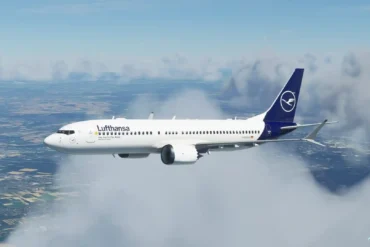
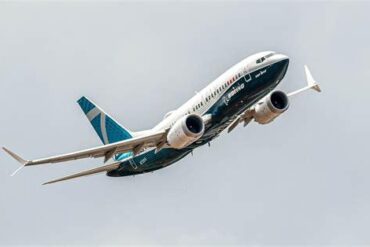
While the broader MAX family contributes to the aircraft’s resurgence, one variant stands clearly at the center of airline demand: the Boeing 737 MAX 8.
This model has quietly become one of the most successful aircraft variants ever produced. With more than 4,800 orders, the MAX 8 is approaching the lifetime order total of its predecessor, the 737-800, which received 4,991 orders. It has also surpassed the Airbus A320neo, which has accumulated roughly 4,160 orders.
The dominance of the MAX 8 stems from a careful balance of size, efficiency, and operational flexibility. Compared with the A320neo, the aircraft is slightly larger, lighter, and capable of carrying more payload, while maintaining similar fuel burn. These characteristics make it attractive to airlines seeking efficient operations on short and medium-haul routes without sacrificing passenger capacity.
Range capability is another decisive factor. The 737 MAX 8 can operate transcontinental flights within the United States, while also supporting shorter transatlantic routes between North America and parts of Europe. This flexibility allows airlines to deploy the aircraft across diverse networks without needing multiple specialized fleet types.
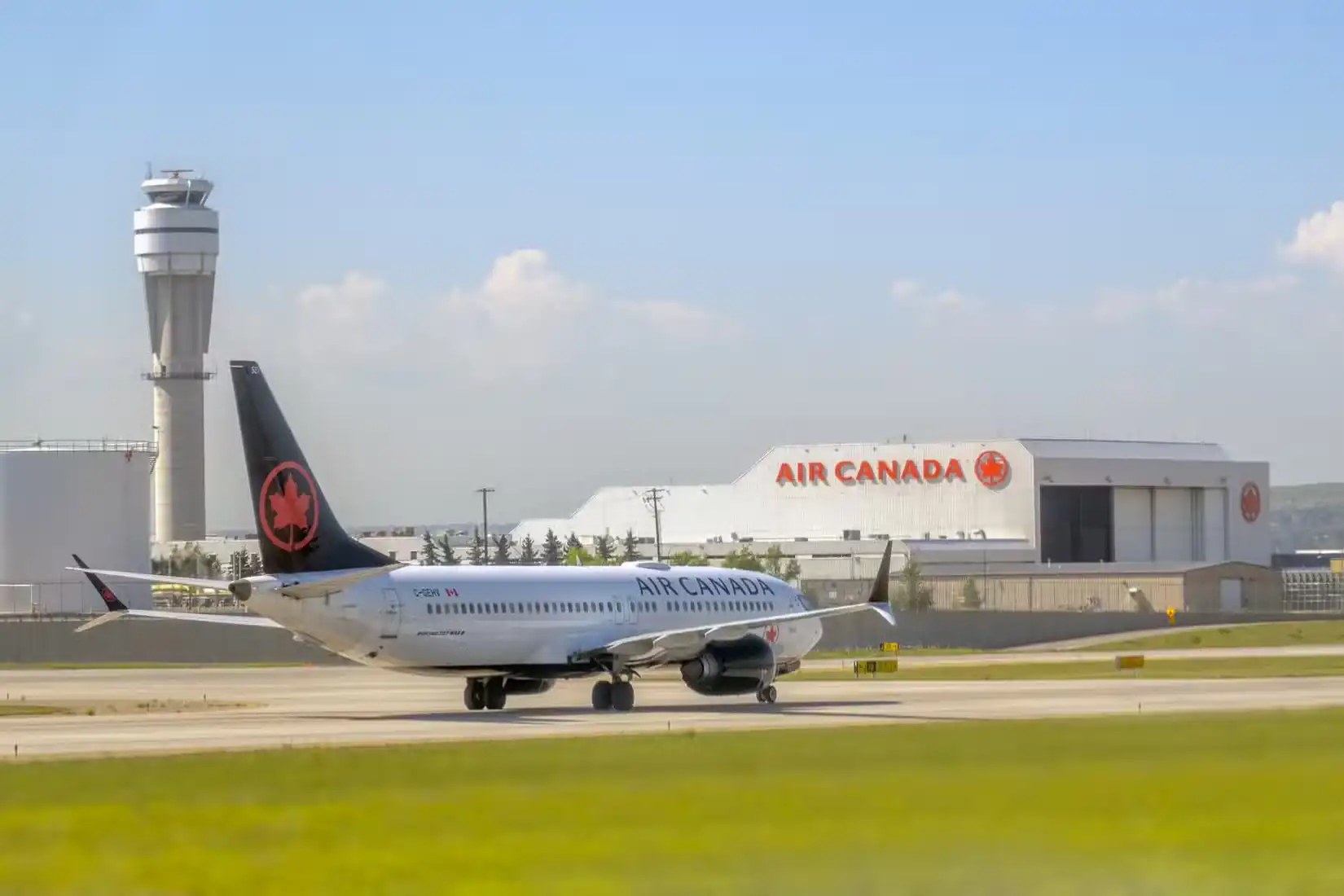
Air Canada provides a telling example of the aircraft’s appeal. In 2013, the airline surprised many observers by ordering the 737 MAX despite operating Airbus A320 family aircraft and Embraer regional jets at the time. Today, Air Canada operates a fleet of 50 MAX 8 aircraft, demonstrating the long-term viability of the type within mixed fleets.
Across the Americas, the MAX 8 has found widespread adoption among both legacy and low-cost carriers. Airlines such as WestJet, Aeromexico, Copa Airlines, Arajet, and Caribbean Airlines rely on the aircraft to operate high-frequency regional routes. Within the United States, it forms a major part of the fleets at Southwest Airlines, American Airlines, United Airlines, Alaska Airlines, and Allegiant Air.
The scale of adoption highlights the aircraft’s core advantage: it fits almost perfectly into the operational sweet spot of modern airline networks.
The Strategic Importance Of The 737 MAX 10
While the MAX 8 dominates current orders, the future competitive balance between Boeing and Airbus may hinge on another aircraft: the Boeing 737 MAX 10.
For years, Airbus enjoyed a decisive advantage in the large narrowbody segment thanks to the A321neo. The aircraft’s higher capacity and strong economics made it the preferred choice for airlines seeking more seats without moving to widebody aircraft.
Boeing’s earlier attempts to compete in this space, including the 737-900ER and the 737 MAX 9, struggled to match the Airbus jet’s per-seat economics. As a result, airlines often favored the A321neo when expanding capacity.
The 737 MAX 10 represents Boeing’s most serious response yet.
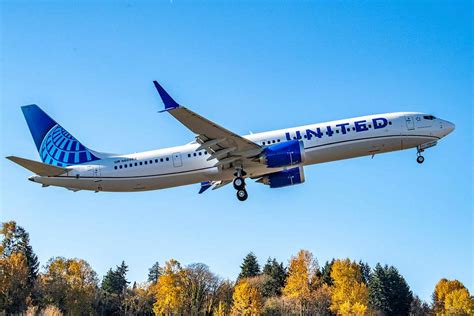
The aircraft is a further stretch of the 737 fuselage, designed to seat roughly 190 passengers in typical airline configurations, placing it closer to the A321neo in capacity. Boeing claims the aircraft will achieve lower per-seat operating costs than its Airbus rival, particularly on shorter routes where the MAX 10’s lighter weight becomes an advantage.
Its 3,100-nautical-mile range allows airlines to operate nearly all short- and medium-haul routes worldwide, including high-density domestic markets and busy regional corridors.
This combination of capacity and efficiency has captured the attention of major airlines. Several carriers that historically leaned heavily toward Airbus have now ordered large numbers of 737 MAX 10 aircraft, signaling that Boeing’s strategy may be working.
Major Airline Orders Signal A Market Shift
The most visible sign of the 737 MAX revival comes from the massive orders placed by leading U.S. airlines.
American Airlines, one of the earliest supporters of the MAX program, initially committed to 100 737 MAX 8 aircraft in 2011, even before the plane was formally launched. In the years since, the airline has deepened its investment, ordering 115 737 MAX 10 aircraft to complement its fleet.
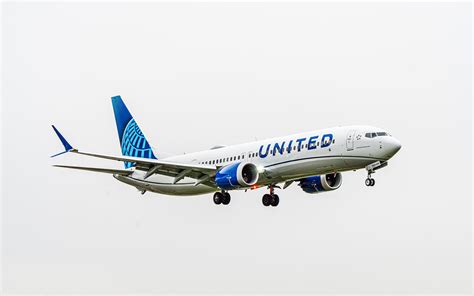
United Airlines has taken an even more aggressive approach. Following the COVID-19 pandemic, the carrier rapidly expanded its narrowbody fleet, adding 123 737 MAX 8 aircraft while increasing its total MAX order book to over 500 aircraft. United also serves as the launch customer for the MAX 10, highlighting its confidence in the aircraft’s long-term economics.
Perhaps the most surprising developments came from airlines historically aligned with Airbus.
Delta Air Lines, long associated with Airbus narrowbodies, placed an order for 100 737 MAX 10 aircraft, marking a major shift in its fleet planning strategy. Allegiant Air, another growing U.S. carrier, ordered 50 737 MAX aircraft, further strengthening Boeing’s position in the domestic market.
Alaska Airlines, one of Boeing’s most loyal customers, has built one of the largest MAX fleets in the world, ordering 273 aircraft across multiple variants. Southwest Airlines, the world’s largest 737 operator, continues to rely heavily on the MAX family with hundreds of aircraft on order.
These deals collectively represent thousands of future aircraft deliveries and signal strong confidence among airline executives that the 737 MAX program is stable, efficient, and economically competitive.
Why Airlines Are Embracing Dual Fleet Strategies
Another factor driving new orders is a broader strategic shift within the airline industry. Many large carriers are moving toward dual sourcing, meaning they operate aircraft from both Boeing and Airbus rather than relying heavily on a single manufacturer.
This approach reflects lessons learned during recent industry disruptions.
The 737 MAX grounding between 2019 and 2020, along with Airbus engine problems affecting the Pratt & Whitney PW1000G engines, demonstrated how a single technical issue could temporarily sideline entire aircraft fleets. Airlines that depended on one manufacturer faced greater operational challenges when problems emerged.
Operating mixed fleets provides a degree of resilience.
If one aircraft type experiences technical issues, airlines can rely on the other to maintain schedules. Similarly, if manufacturing delays affect deliveries from one manufacturer, the airline can continue receiving aircraft from the other.
Major U.S. airlines illustrate this strategy clearly. American Airlines, Delta Air Lines, and United Airlines all operate hundreds of Airbus A320 family aircraft alongside large fleets of Boeing 737 aircraft. The balance allows them to manage risk while maintaining flexibility in fleet planning.
As airlines continue expanding globally and passenger demand grows, maintaining this operational redundancy has become a strategic priority.
Airbus Backlogs And Pricing Are Boosting Boeing
Ironically, part of Boeing’s recent success comes from Airbus’ own popularity.
The A320neo family, particularly the A321neo, has become so successful that Airbus’ production slots are effectively sold out well into the 2030s. Airlines seeking new aircraft in the near term often face long wait times if they choose Airbus.
This backlog creates an opportunity for Boeing.
Airlines that need aircraft sooner may find that the 737 MAX offers earlier delivery positions, allowing them to expand capacity faster. In an industry where timing can determine market share, the ability to receive aircraft even a year earlier can significantly influence purchasing decisions.
Pricing also plays a role. High demand for Airbus aircraft has pushed prices upward, especially for the A321neo. Boeing, eager to regain market share and fill production slots, often offers more competitive pricing on the 737 MAX family.
When airlines evaluate aircraft purchases, they consider not only performance and fuel efficiency but also delivery timelines, financing terms, and long-term fleet strategy. In many recent cases, the 737 MAX provides an appealing balance of cost, availability, and capability.
A Narrowbody Market Entering A New Phase
The surge in Boeing 737 MAX orders reflects more than a temporary market fluctuation. It signals the beginning of a new phase in the global narrowbody aircraft competition.
Airbus still holds a powerful position with the A320neo family, particularly the A321neo, which continues to dominate the high-capacity narrowbody segment. Yet Boeing’s renewed production momentum, combined with strong airline demand and the arrival of the 737 MAX 10, is gradually restoring competitive balance.
The narrowbody market itself is expanding rapidly. Airlines worldwide are modernizing fleets, replacing older aircraft, and preparing for sustained growth in passenger travel over the coming decades. Single-aisle aircraft now handle the majority of global flights, making them the backbone of airline economics.
In this environment, the Boeing 737 MAX is no longer defined by the challenges of its past. Instead, it has reemerged as one of the most important aircraft programs in modern aviation, supported by thousands of orders and a growing global fleet.
If current trends continue, the coming decade could see the 737 MAX solidify its place as one of the most widely operated aircraft families in history—an outcome that would have seemed far less certain only a few years ago.