The United States Army’s decision to cancel the Future Attack Reconnaissance Aircraft (FARA) program marks a pivotal shift in the trajectory of military aviation. Announced on 8 February, the termination of the next-generation scout helicopter initiative reflects a strategic reallocation of resources aimed at enhancing existing rotary-wing capabilities rather than pursuing entirely new aircraft platforms. This development underscores both evolving battlefield realities and broader defense budget constraints, reshaping expectations for the future of aerial reconnaissance and attack missions.
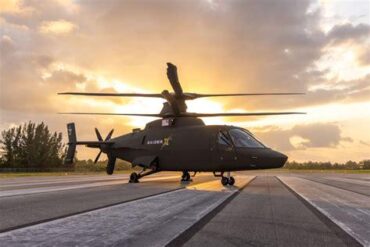
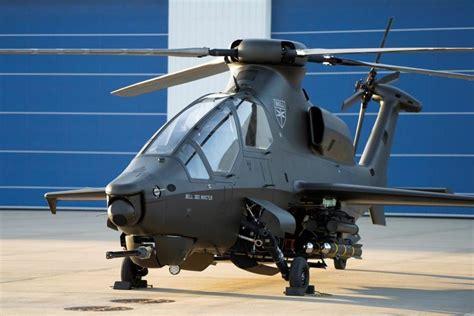
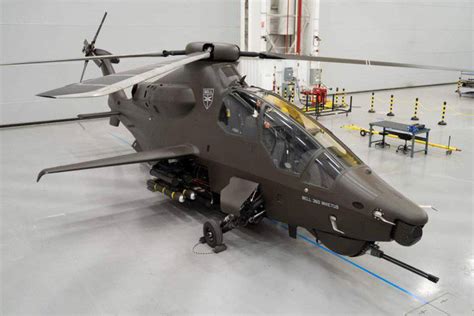
The FARA program, once envisioned as the Army’s answer to modernizing its aging reconnaissance fleet, had been hotly anticipated within defense circles. Its primary goal was to deliver a nimble, technologically advanced scout helicopter, filling the gap left by the retirement of the OH-58 Kiowa Warrior. The program showcased two primary contenders: Bell’s 360 Invictus and Sikorsky’s Raider X, each offering cutting-edge designs aimed at superior speed, agility, and lethality. With the cancellation, both these ambitious prototypes have been shelved, marking a sobering endpoint for years of research and development.
Strategic Rationale Behind the Cancellation
In its official announcement, the Army cited a need to rebalance funding toward current rotary-wing platforms as the central reason for axing FARA. According to Army leadership, the emerging security environment, coupled with budgetary pressures, necessitates a focus on platforms that can deliver immediate and reliable operational capability. The recalibration hints at a broader institutional recognition that traditional manned reconnaissance helicopters may no longer be the optimal solution in a battlefield increasingly dominated by unmanned systems and precision-guided weaponry.
The Drone Revolution: Replacing Pilots with Algorithms
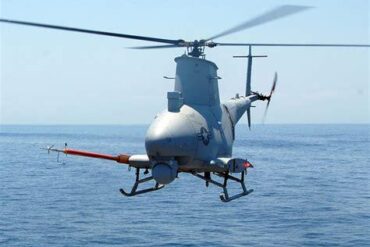
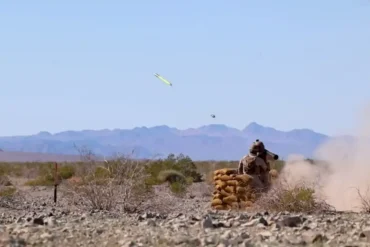
The decision has sparked vigorous debate among military analysts and defense enthusiasts. A recurring theme is the growing dominance of armed drones in reconnaissance and attack roles. From multi-role UAVs carrying Hellfire missiles to small, inexpensive first-person view (FPV) drones modified with rocket-propelled grenades (RPGs), unmanned aerial vehicles have demonstrated lethal efficiency in modern conflicts. Notably, footage from the Ukraine conflict has provided stark evidence of drones’ ability to neutralize multi-million-dollar helicopters and tanks at a fraction of the cost.
This shift is not merely tactical but transformational, reminiscent of the way machine guns reshaped trench warfare in World War I or how tanks revolutionized ground combat in World War II. Analysts have likened Ukraine’s current battlegrounds to a testing ground for 21st-century warfare, drawing parallels with the Spanish Civil War’s role in previewing World War II’s mechanized battles.
Survivability and Cost Efficiency: The New Metrics
Central to the discussion is the issue of survivability and cost-efficiency. Attack helicopters, despite their formidable capabilities, have become increasingly vulnerable to man-portable air-defense systems (MANPADS) and advanced anti-tank guided missiles (ATGMs). Without robust suppression of enemy air defenses (SEAD) support, these helicopters risk being shot down in hostile environments. The Army’s recalibration seems to acknowledge that risking a $20 million helicopter and its crew is far less tenable than deploying expendable drones that offer similar strike capabilities at a fraction of the investment.
Historical Precedent: The Ghost of the Comanche
The FARA program’s demise draws immediate comparisons to the ill-fated RAH-66 Comanche program, which was canceled in 2004 after billions of dollars and years of development. Like FARA, the Comanche aimed to deliver a stealthy, high-tech reconnaissance and attack platform, only to fall victim to shifting strategic priorities and escalating costs. An oft-repeated anecdote underscores the irony: during a test run in Florida, the Comanche was reportedly outpaced by a Ford Mustang, highlighting the sometimes misplaced ambitions of next-gen rotorcraft.

The Fate of the Bell 360 Invictus and Sikorsky Raider X
With the cancellation, both Bell and Sikorsky have been left at a crossroads. The Bell 360 Invictus, inspired by the AH-1Z Viper but designed for improved agility and speed, and the Sikorsky Raider X, featuring a coaxial rotor system for unprecedented maneuverability, represented the cutting edge of helicopter design. While these prototypes may not reach full-scale production, defense experts predict that their technological advancements may be repurposed for existing platforms or future projects, ensuring that the innovations are not entirely lost.
Civilian Applications and Industrial Repositioning
Interestingly, some defense analysts suggest that aerospace companies could pivot their FARA-derived technologies toward civilian markets, such as high-speed, efficient air ambulances or next-gen corporate rotorcraft. This transition echoes historical patterns where military R&D has seeded breakthroughs in commercial aviation, benefiting broader society even when military goals remain unmet.
The Bigger Picture: Tilt-Rotors, Unmanned Systems, and Directed Energy
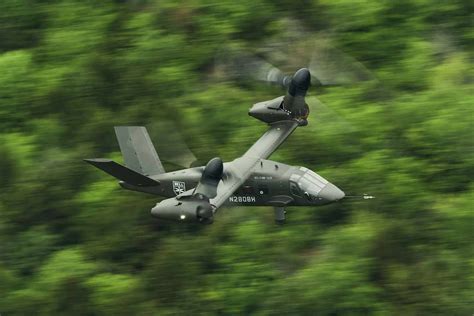
The cancellation also signals a broader paradigm shift in military aviation priorities. With the Army’s focus now shifting toward platforms like the V-280 Valor tilt-rotor and increased investments in unmanned aerial systems (UAS), the vision for future battlefields is becoming clearer. Innovations in directed energy weapons and advanced sensor integration are likely to dominate next-generation programs, moving away from traditional manned helicopters toward hybrid or fully autonomous systems capable of faster response and lower operational risk.
Conclusion: A Turning Point in Military Aviation Doctrine
The end of the FARA program encapsulates a decisive moment in military aviation history. While it marks the closure of an ambitious chapter, it simultaneously opens the door to new strategic thinking, centered on unmanned systems, tilt-rotor aircraft, and networked warfare. As defense priorities evolve in response to emerging threats and fiscal realities, the emphasis is increasingly on agility, survivability, and cost-effectiveness. Whether through drones that can swarm a battlefield or tilt-rotors that redefine speed and reach, the future of reconnaissance and attack missions is set to be profoundly different from the visions that once drove programs like FARA.
The legacy of FARA will likely live on not in the form of a next-generation scout helicopter but through the technologies and lessons it leaves behind—guiding the next phase of aerial warfare innovation.