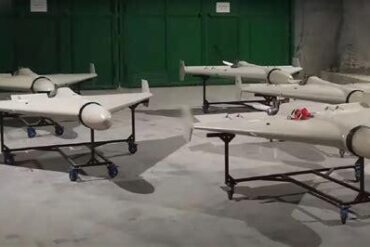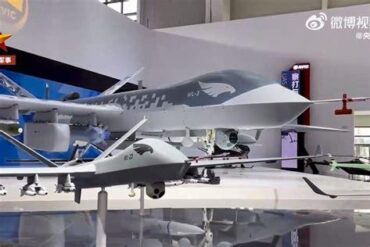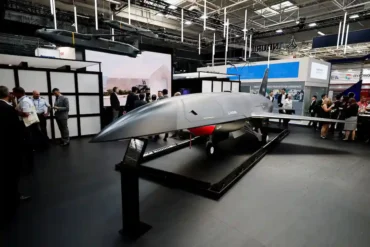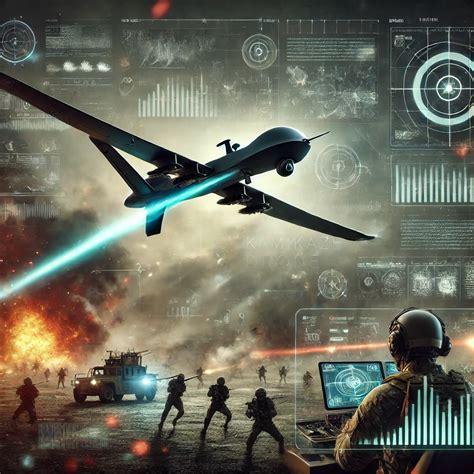
Kamikaze drones, technically known as loitering munitions, have emerged as a transformative force in modern warfare. These drones carry a warhead and hover, or “loiter,” over a battlefield until they identify a suitable target, at which point they dive into it, delivering a precise and often devastating strike. Unlike traditional missiles, they can adjust their course mid-flight, making them highly effective against mobile or concealed targets. They represent a hybrid of drone and missile technology, combining the extended surveillance capabilities of unmanned aerial vehicles (UAVs) with the direct lethality of guided munitions.
A Brief History of Kamikaze Drones
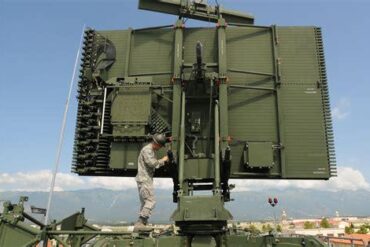
The concept of loitering munitions dates back to the 1980s, when the U.S. and Israel pioneered early models. The AGM-136 Tacit Rainbow in the United States and Israel’s IAI Harpy were among the first systems designed to suppress enemy air defenses. These early drones integrated anti-radiation sensors, allowing them to seek and destroy radar installations effectively. Notably, the IAI Harpy played a significant role in Operation Mole Cricket 19, where Israeli forces overwhelmed Syrian air defenses with a mix of decoys, anti-radiation missiles (ARMs), and loitering munitions.
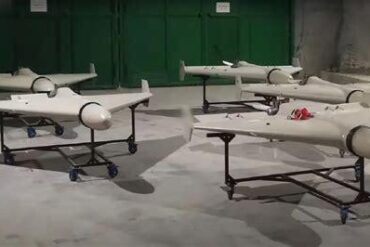
Over the decades, these systems have evolved beyond their initial Suppression of Enemy Air Defenses (SEAD) roles. The 2016 Nagorno-Karabakh conflict marked a turning point, with IAI Harop drones reportedly used to target troop transports, illustrating the shift toward broader tactical applications. More recently, the ongoing conflict in Ukraine has highlighted their versatility, with both Russia and Ukraine employing a range of loitering munitions. Russia’s ZALA Lancet and Shahed drones, alongside Ukraine’s UJ-25 Skyline and AeroVironment Switchblade, have demonstrated their ability to strike high-value targets with precision, even amidst intense electronic warfare.
Technical Characteristics and Capabilities
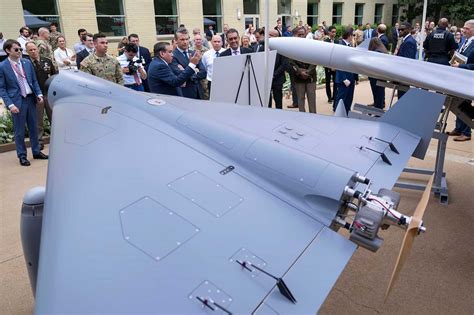
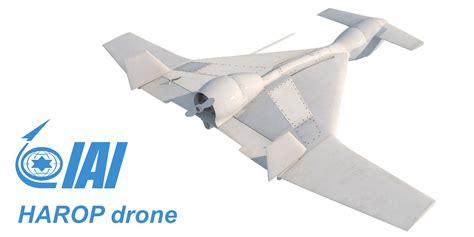
Loitering munitions vary widely in size, design, and operational approach, ranging from small, improvised quadcopters carrying strapped-on explosives to sophisticated, purpose-built drones like the IAI Harop. These systems typically feature optimized warheads, high-resolution cameras, and real-time data links, allowing operators to confirm targets visually before striking. Some, like the IAI Harop, can even operate autonomously, scanning and selecting targets based on pre-set parameters.
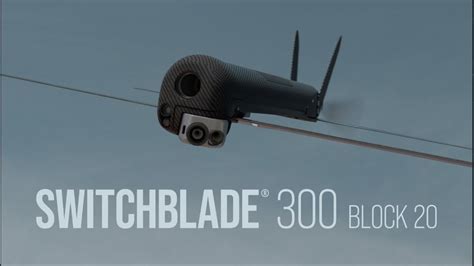
Others, such as the Switchblade 300 used by U.S. and Ukrainian forces, are designed for short-range tactical strikes, offering a more portable, rapid-response option. Many systems can self-destruct if a suitable target is not found, while advanced variants can abort mid-mission and return for recovery, reflecting a growing emphasis on operational flexibility.
Defensive Countermeasures
As kamikaze drones become more prevalent on modern battlefields, countermeasures have evolved to address their unique threat profile. Ukrainian forces, for instance, have deployed metal cages and inflatable decoys around critical equipment to reduce the effectiveness of Russian Lancet strikes. Slat armor has also been adapted for tanks, including a notable 2024 upgrade on the Russian submarine Tula, which incorporated drone-specific defenses.
Electronic warfare (EW) has proven particularly effective, with systems like the Russian Stupor rifle capable of jamming GPS and radio signals, reportedly neutralizing up to 90% of Ukrainian drone operations early in the 2022 conflict. This intense electronic environment has driven the development of more autonomous, jam-resistant designs, including wire-guided FPV drones and systems capable of independent targeting.
Comparing Kamikaze Drones to Other Precision Weapons
While loitering munitions share some characteristics with other guided weapons, they occupy a unique niche. Cruise missiles, like the Tomahawk, are optimized for long-range, one-way missions but lack the ability to loiter and adjust their path in real-time. In contrast, Unmanned Combat Aerial Vehicles (UCAVs), such as the Predator, offer multi-mission capability with the potential for recovery but at significantly higher unit costs.
Kamikaze drones bridge the gap, offering expendable, loiter-optimized platforms designed for single, high-precision strikes. This makes them particularly valuable for irregular warfare and operations in contested airspace, where the risk of platform loss is high.
Ethical and Legal Considerations
The use of autonomous loitering drones has sparked significant ethical and legal debates. Systems like the IAI Harpy, which can autonomously select and engage targets, raise concerns about human accountability in lethal decision-making. Critics argue that these systems blur the line between human-directed warfare and fully autonomous combat, potentially violating international humanitarian law.
Global Adoption and Future Trends
As of 2023, loitering munitions are in active use by more than 30 countries, including the United States, Russia, China, Israel, and Ukraine. Notably, North Korea tested AI-equipped suicide drones in March 2025, reflecting the accelerating pace of global proliferation. The widespread adoption of these systems underscores their tactical value and the rapidly changing nature of modern conflict.
With continued advancements in autonomy, sensor integration, and electronic warfare resilience, the role of kamikaze drones is likely to expand, shaping the future of military strategy and potentially redefining the boundaries of ethical warfare.