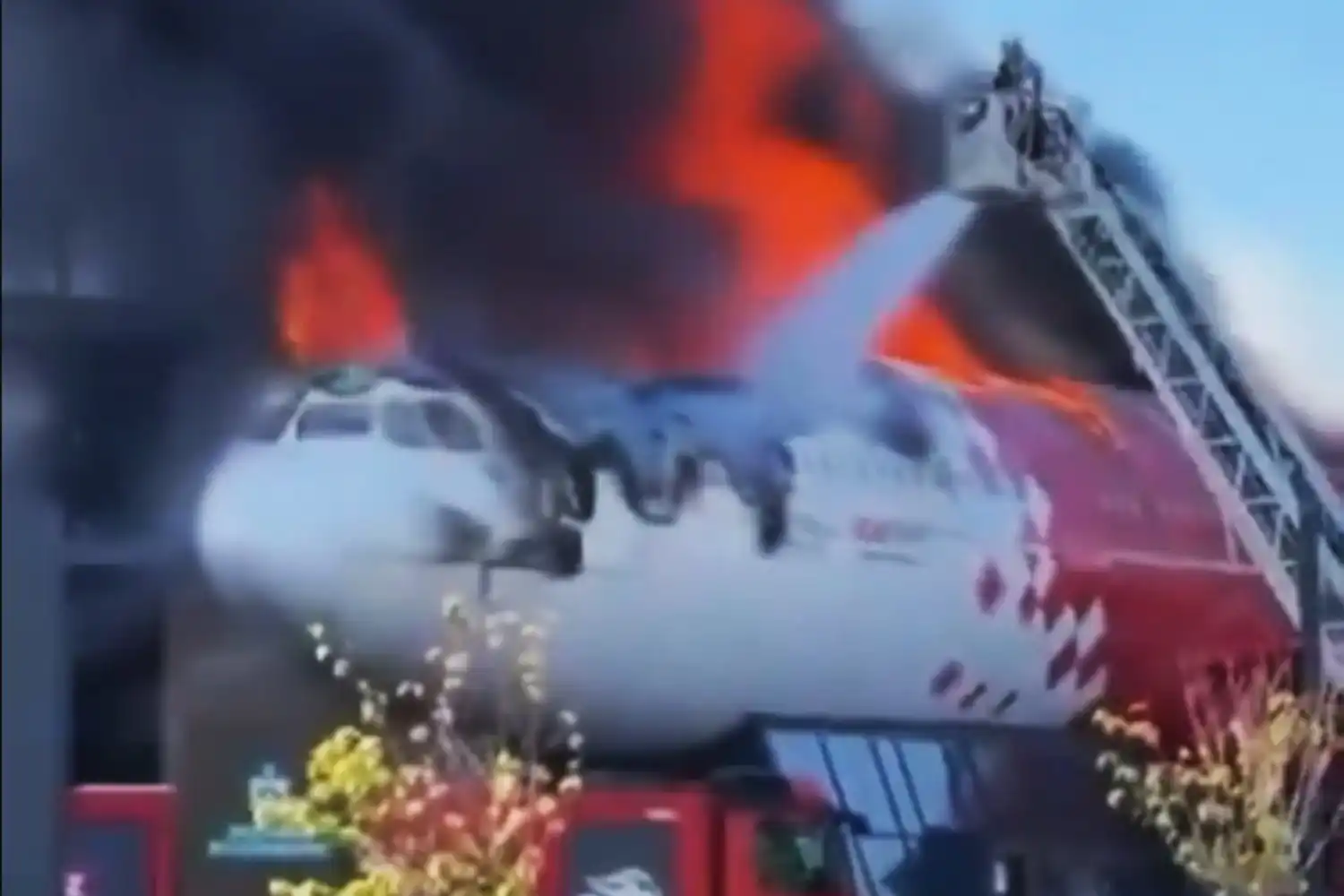
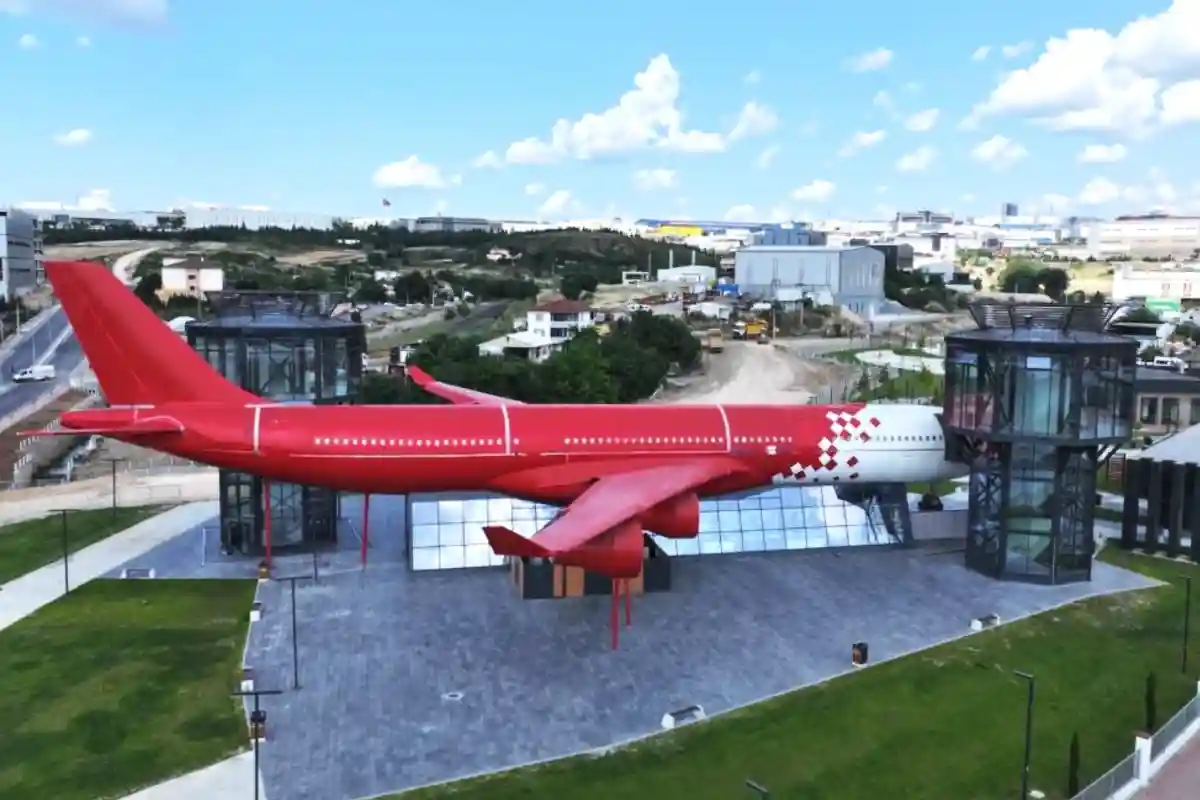
A preserved Turkish Airlines Airbus A340-300 has been destroyed after a fire broke out aboard the retired widebody at the UçakPark Science Center in Çayırova, Turkey. The incident occurred on Saturday, September 5, 2026, bringing an abrupt end to the second life of an aircraft that had spent nearly two decades carrying passengers for Turkey’s national flag carrier.
The aircraft, registered TC-JDL, was one of nine Airbus A340s operated by Turkish Airlines. After being withdrawn from commercial service in 2015, it was dismantled and transported by road to the museum, where it was reassembled as a preserved exhibit. The aircraft’s preservation had allowed visitors to experience a piece of Turkish aviation history without the jet returning to the scrapyard.
The fire reportedly began at approximately 3:00 PM local time. Initial reports indicate that the blaze may have originated from an electrical problem inside the cabin, although authorities have not established a definitive cause. As firefighters battled the flames, the heat and structural damage became severe enough for the aircraft’s rear fuselage and tail section to collapse onto the ground.
Airbus A340 Tail Collapses During Museum Fire
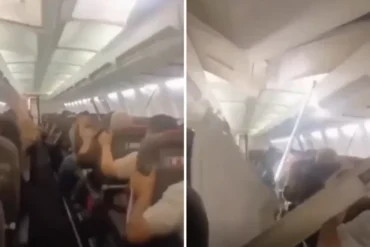
The collapse of the tail was among the most dramatic consequences of the incident. Video footage emerging after the fire showed the rear portion of the Airbus A340 giving way, illustrating the extent of the structural damage suffered by the preserved aircraft.
The collapse also created an especially hazardous situation because a fire appliance was positioned beneath the tail at the time. Despite the potentially dangerous circumstances, there were no reported deaths or injuries. Emergency crews were able to extinguish the fire, while authorities subsequently began examining the aircraft and the surrounding area.
The Kocaeli Metropolitan Municipality confirmed that an investigation had been launched to determine what caused the incident. At this stage, descriptions of the fire as electrical in origin should therefore be treated as preliminary reporting rather than a confirmed finding. Investigators will need to establish where the fire started, how it spread through the retired aircraft, and whether any equipment or electrical systems contributed to its development.
The History of Turkish Airlines Airbus A340 TC-JDL
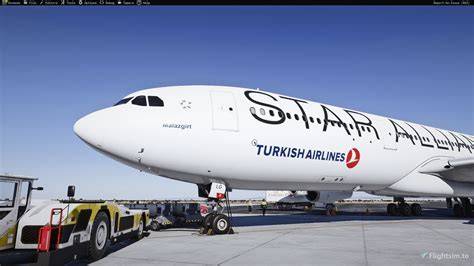
TC-JDL had an unusually long connection with Turkish Airlines. The aircraft carried Manufacturer’s Serial Number 057 and was delivered to the airline in July 1994. Throughout its operational career, it remained with Turkish Airlines under the same registration, making its history closely associated with the carrier’s expansion during the 1990s and 2000s.
From its delivery until April 2013, the aircraft was named Ankara, after Turkey’s capital. It was subsequently renamed Malazgirt, reflecting another connection to Turkish history and geography. The A340 also became visually distinctive after receiving a special Star Alliance livery in March 2008, following Turkish Airlines’ membership of the global airline alliance.
TC-JDL operated in a two-class configuration with 270 seats. After more than two decades of service, Turkish Airlines withdrew the aircraft from its fleet in March 2015. It was subsequently stored at Istanbul Sabiha Gökçen Airport, where it remained for more than a year before being selected for preservation rather than immediate dismantling for scrap.
From Commercial Airliner to Turkish Aviation Museum Exhibit
The decision to preserve TC-JDL gave the aircraft a remarkable second chapter. In September 2016, it was dismantled so that its major components could be transported overland to Çayırova. The process was substantial, with 14 trucks reportedly used to move the aircraft’s components to the museum site.
The aircraft was eventually reassembled for public display, transforming a retired long-haul airliner into an aviation attraction. For an aircraft that had accumulated years of international service, preservation offered a way to retain its physical presence after commercial operations had ended.
That second life has now ended in a fire. While the aircraft was no longer airworthy and had not carried passengers for many years, the destruction of TC-JDL represents the loss of a historically significant example of the Airbus A340 and Turkish Airlines fleet.
Turkish Airlines’ Airbus A340 Fleet
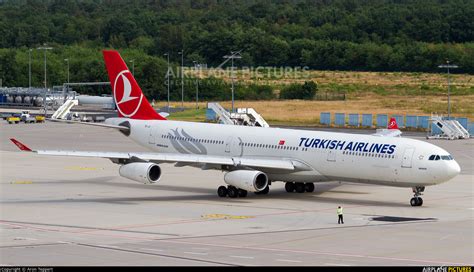
TC-JDL was part of a larger fleet of nine Airbus A340-300s operated by Turkish Airlines. The first seven aircraft arrived new between July 1993 and April 2000, while two additional examples entered the fleet on lease in 2008.
The leased aircraft subsequently departed, while the remaining aircraft continued serving Turkish Airlines into the 2010s. The final examples eventually left the fleet in 2019. Their retirement reflected the wider transformation of the airline industry, as newer twin-engine widebodies increasingly replaced four-engine aircraft such as the A340 on long-haul routes.
One former Turkish Airlines A340, TC-JDM, developed an unusual reputation. The aircraft was nicknamed “Deli Mike,” a playful reference to its registration and the Turkish word deli, meaning “crazy.” Its history included several incidents and maintenance problems, making it one of the more memorable aircraft within the airline’s A340 fleet.
An Unfortunate End for a Historic Widebody
The destruction of TC-JDL highlights one of the less obvious challenges involved in preserving retired aircraft. Once an airliner is removed from commercial service, its systems may no longer be maintained to the standards required for flight operations, while decades-old structures and equipment can deteriorate with age.
The precise circumstances surrounding the UçakPark Science Center Airbus A340 fire will become clearer as the investigation progresses. For now, the most significant fact is that no one was injured. Nevertheless, the collapse of the aircraft’s tail and the extensive damage to the fuselage have almost certainly ended the A340’s role as a museum exhibit.
TC-JDL once represented the height of long-haul aviation for Turkish Airlines. After nearly 21 years in passenger service and another decade preserved on the ground, the veteran Airbus A340 has reached an unexpected and fiery conclusion.