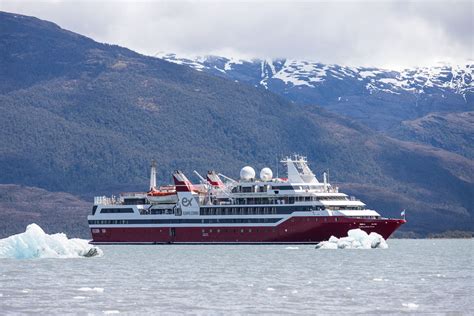
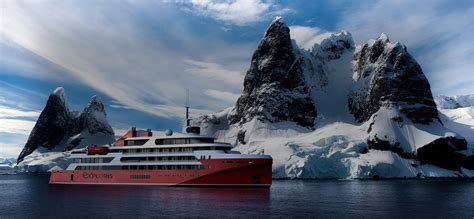
The cruise industry, once seen as a symbol of luxury leisure and booming tourism, is now showing alarming signs of fragility. As of October 2025, yet another name has joined the growing list of cruise operators filing for bankruptcy: Exploris Expeditions & Voyages, a boutique cruise line based in Nantes, France. Specializing in Antarctic adventures, Exploris is the latest casualty in a worrying industry-wide trend of financial distress and operational breakdowns.
Exploris Files for Bankruptcy Amid Collapsed Expansion Plans
On October 20, 2025, Exploris Expeditions & Voyages officially filed for what is the French equivalent of Chapter 11 bankruptcy protection in the United States. The move followed the abrupt cancellation of an ambitious expansion plan, which had included a strategic partnership with Adventure Canada to launch new cruise offerings in 2026. The primary investor behind this initiative pulled out in September, triggering a financial tailspin.
A French court has now placed Exploris under receivership, a legal status that allows companies to operate while reorganizing their debts. This development is not necessarily the end of the line. France’s insolvency laws give companies an opportunity to continue trading while attempting to restructure, offering a faint glimmer of hope to the beleaguered operator.
Passenger Itineraries Remain Intact — For Now
Despite the turbulence behind the scenes, Exploris has reassured customers that all cruises scheduled between October 2025 and March 2026 will proceed as planned. No cancellations or alterations to itineraries have been announced, and the company has yet to issue any public warnings to ticket holders or partners. This continuity may suggest that Exploris intends to weather the storm and reposition itself, although such recoveries are rare in the increasingly competitive cruise space.
A Growing List of Casualties in the Cruise Sector
The case of Exploris is far from isolated. The cruise industry, particularly the small-to-midsize operator segment, has experienced a wave of bankruptcies over the past two years. Among the most notable were:
- Jetline Holidays, a British-based travel operator with a strong cruise portfolio, which ceased operations in late 2025 due to mounting financial losses.
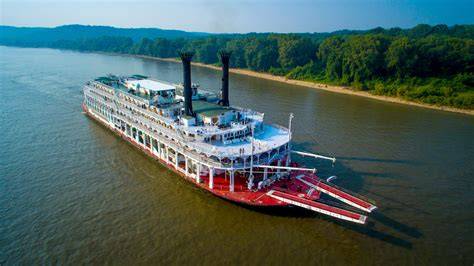
- American Queen Voyages, once a dominant player in North American river cruising, which filed for Chapter 11 bankruptcy in early 2024 after failing to recover from pandemic-related setbacks.
These high-profile collapses reflect an underlying economic reality: while demand for cruises appears strong, profitability remains elusive for many operators.
Paradox of Demand: Rising Interest, Sinking Profit Margins
A confounding element in this downward spiral is the paradox of demand. Consumer interest in cruises is, by many metrics, at an all-time high. Post-pandemic wanderlust, combined with aggressive marketing and discounted fares, has lured a new generation of travelers to the open seas. Global cruise bookings rebounded strongly in 2023 and early 2024, leading some analysts to predict a golden era for cruise operators.
Yet, this resurgence in consumer appetite has not translated into consistent profitability. Several factors contribute to this disconnect:
- High Operating Costs: Fuel prices, labor, port fees, and insurance premiums have all surged.
- Debt Overhang: Many companies took on significant debt to survive the pandemic shutdowns, and are now grappling with repayments amid tightening credit conditions.
- Competitive Pressure: Deep-pocketed giants like Royal Caribbean, Carnival, and Norwegian dominate pricing and scale, making it difficult for boutique operators to gain sustainable margins.
- Regulatory Compliance: Stricter environmental and health regulations continue to push up costs.
The result is an industry that appears healthy on the surface, but is increasingly fragmented beneath it.
Why Boutique and Expedition Cruises Are Particularly Vulnerable
Companies like Exploris, which cater to niche markets such as polar exploration or luxury eco-tourism, face an uphill battle in today’s cruise economy. Their operating models depend heavily on:
- Seasonal revenue cycles, particularly the short summer windows in polar regions.
- Higher per-passenger costs, due to small ship sizes and premium onboard experiences.
- Geopolitical risks, such as restricted access to Antarctic territories or regional unrest.
- Unreliable capital inflows, especially from risk-averse investors watching a turbulent global market.
Even modest disruptions in partnerships or financing — as was the case with the failed Adventure Canada deal — can derail these businesses.
Legal Shields vs. Reality: The Receivership Dilemma
Although France’s bankruptcy laws provide a legal framework for troubled companies to continue operations, history suggests that few cruise lines successfully restructure. The complexities of the industry — from vessel maintenance and crew contracts to itinerary planning and insurance — make it incredibly difficult to halt the financial slide once it begins.
In the case of American Queen Voyages, receivership merely delayed the inevitable, with assets liquidated in the months following the court’s decision. If Exploris is to break the pattern, it must not only secure new investment, but also reinvent its business model in a way that aligns with today’s economic and ecological constraints.
The Broader Implications for the Cruise Industry
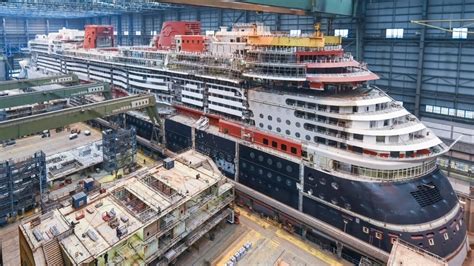
The ongoing string of bankruptcies raises a larger question: Is the cruise model itself fundamentally broken for smaller operators? If only the largest players can absorb shocks, meet regulatory demands, and sustain growth, then the future may belong exclusively to mega-cruise lines.
Such a shift could have profound implications:
- Reduced choice for consumers, particularly those seeking bespoke or eco-sensitive experiences.
- Increased market consolidation, which may drive up prices or reduce innovation.
- Loss of regional economic benefits, especially in ports that rely on smaller vessels to drive tourism.
- Environmental contradictions, as mega ships remain under fire for their ecological footprint, despite progress on sustainable fuels and emissions controls.
Hope on the Horizon or More Storms Ahead?
Despite these headwinds, some analysts see a path forward. Technological innovation, including hybrid propulsion systems, AI-powered logistics, and sustainable port partnerships, may offer lifelines to adaptable companies. Moreover, shifts in consumer preferences — toward slower travel, purposeful tourism, and climate-conscious choices — could benefit boutique operators if they align offerings accordingly.
However, the immediate future remains grim. Exploris’s receivership, Jetline’s collapse, and American Queen’s liquidation all point to a sector in the throes of accelerated disruption. The survival of independent cruise lines may hinge not only on financial agility but also on visionary leadership, something increasingly rare in a risk-averse investment environment.
Conclusion: A Defining Moment for Cruise Industry Sustainability
The bankruptcy of Exploris Expeditions & Voyages is more than just another news headline — it’s a canary in the coal mine for an industry that must either adapt or face further erosion. For now, loyal customers may still board their Antarctic expeditions, blissfully unaware of the turbulence on deck. But behind the scenes, the fate of the company — and others like it — hangs in delicate balance.
As 2025 draws to a close, the cruise industry stands at a critical inflection point. Will consolidation erase the charm and diversity that once defined seafaring vacations? Or will a new wave of nimble, innovative operators rise to redefine what it means to take to the seas? One thing is certain: the journey ahead will not be smooth sailing.