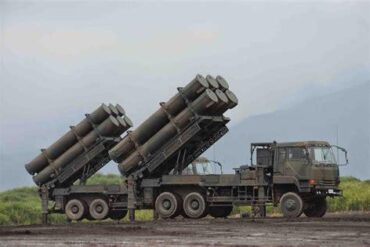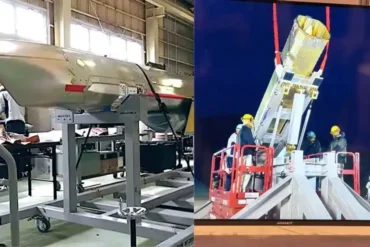
Japan has marked a historic milestone in its evolving defense strategy with the first-ever overseas live-fire test of its Type 12 Surface-to-Ship Missile system, executed during the Talisman Sabre 2025 military exercise in Australia. This unprecedented deployment underscores Tokyo’s deepening commitment to regional security and its readiness to integrate advanced coastal defense capabilities into multinational operations.
A Landmark in Japan’s Defense Evolution
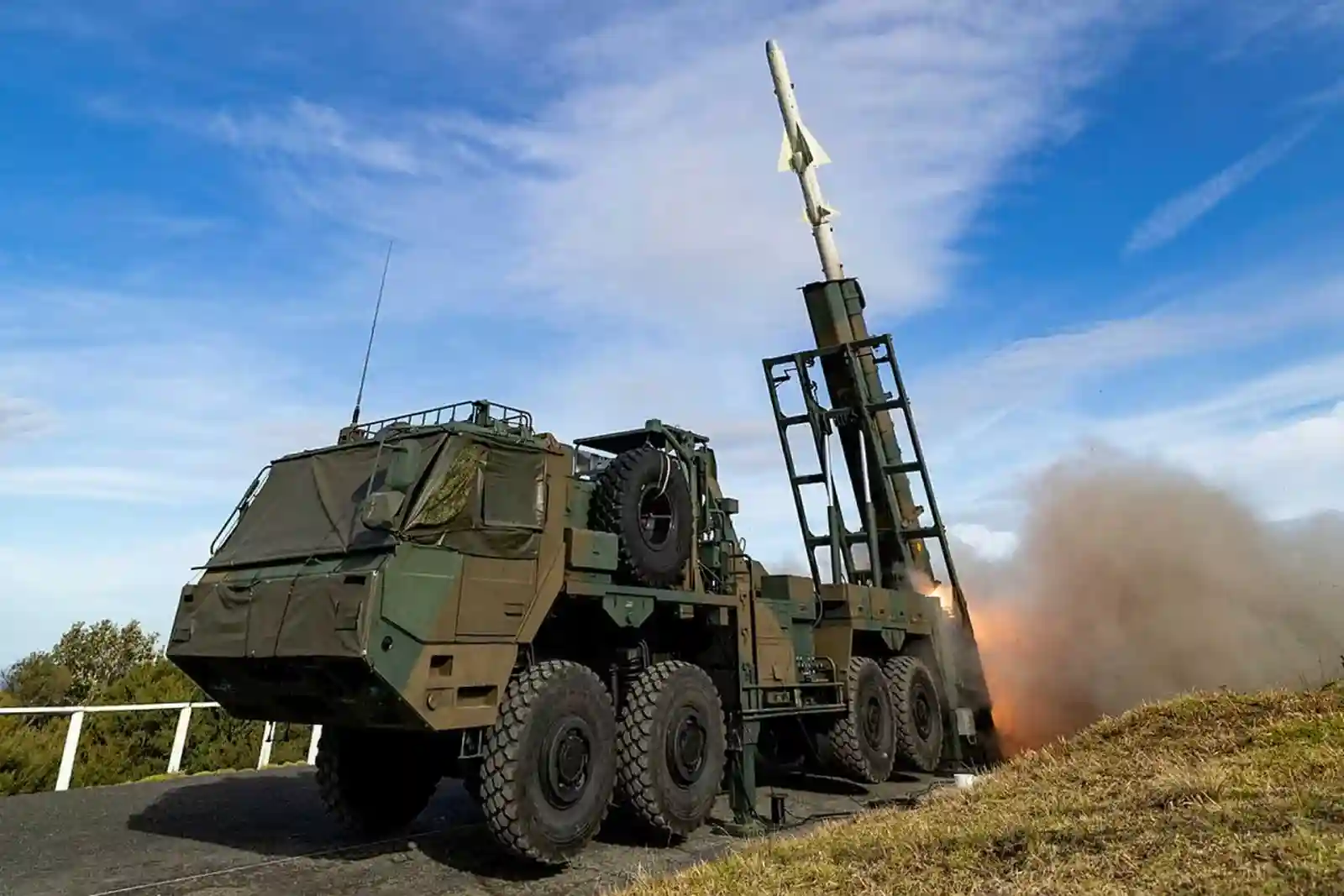
The live-fire exercise took place at the Beecroft Weapons Range in New South Wales under the coordination of the Japan Ground Self-Defense Force (JGSDF) Second Artillery Brigade. Based at Camp Katsuta in Ibaraki Prefecture, this elite brigade serves as Japan’s premier long-range missile unit, tasked with coastal defense, anti-ship warfare, and safeguarding maritime approaches in highly contested regions such as the East China Sea and the Nansei Islands.
The successful deployment abroad demonstrates Japan’s ability to operate high-precision missile systems outside its territory, marking a decisive advancement in its force projection capabilities. By participating in Talisman Sabre, Japan further cements its role in shaping regional security frameworks alongside the United States and Australia.
Talisman Sabre 2025: A Multinational Stage
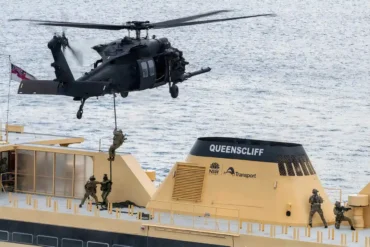
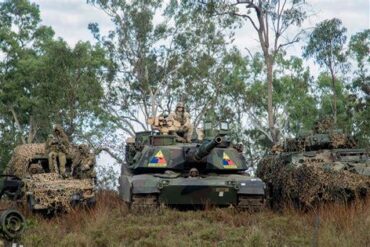
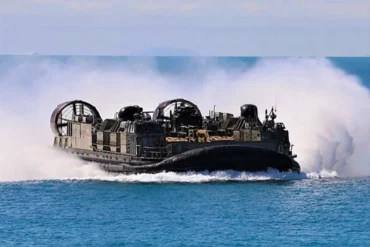
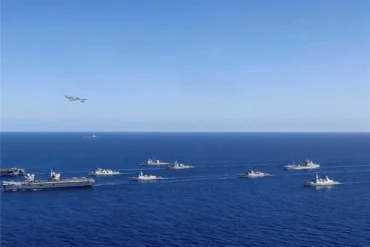
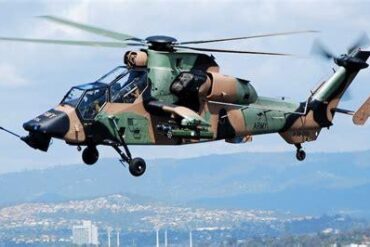
Talisman Sabre 2025, held from July 13 to August 4, 2025, brought together over 35,000 troops from 19 nations, including the U.S., Australia, Japan, and other Indo-Pacific allies. The exercise tested joint high-intensity operations across land, sea, air, space, and cyber domains, serving as a critical proving ground for multinational interoperability.
Japan’s participation in this complex training scenario—particularly with its advanced missile units—demonstrates an intentional shift from homeland-only defense to active contributions in regional deterrence operations. This capability sends a clear signal of Japan’s willingness to support coalition maritime denial operations across the Indo-Pacific.
Type 12 Surface-to-Ship Missile: A Game-Changer for Coastal Defense
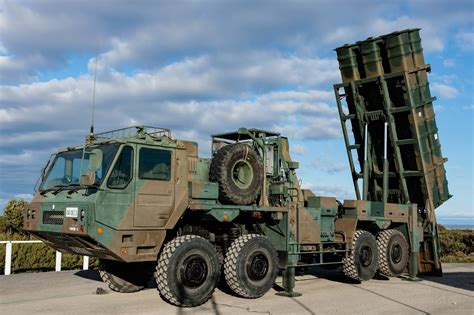
Developed by Mitsubishi Heavy Industries, the Type 12 missile system is among the most advanced coastal defense weapons in Japan’s arsenal. Initially designed for a 200 km range, modernized variants reportedly achieve distances of over 400 km, significantly enhancing its anti-access/area denial (A2/AD) role.
The missile integrates an inertial navigation system with GPS guidance, mid-course updates via datalink, and precision terminal targeting, ensuring high accuracy against moving maritime threats. Mounted on high-mobility 6×6 and 8×8 wheeled launchers, the system allows rapid deployment, concealment, and multi-axis launch tactics. Its automated fire control systems enable salvo launches capable of overwhelming enemy defenses—a critical capability in distributed coastal warfare.
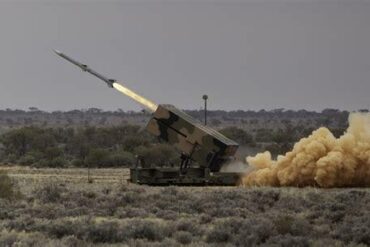
This live-fire test not only validated the system’s performance in foreign operational environments but also showcased its seamless integration into a multinational force, proving Japan’s readiness for coordinated, coalition-led strike operations.
Strategic Implications for the Indo-Pacific
This successful overseas deployment carries far-reaching implications for regional stability. By training alongside Australian Defense Forces and U.S. allies, Japan reinforced its commitment to a free and open Indo-Pacific, countering growing Chinese assertiveness in the South and East China Seas.
China’s rapid naval expansion and the militarization of artificial islands threaten key sea lanes and regional trade routes. Japan’s demonstration of forward-deployed precision strike capabilities sends a powerful deterrent message, signaling that it can project defensive power well beyond its own territory in support of allied operations.
Strengthening the Japan-Australia-U.S. Security Triangle
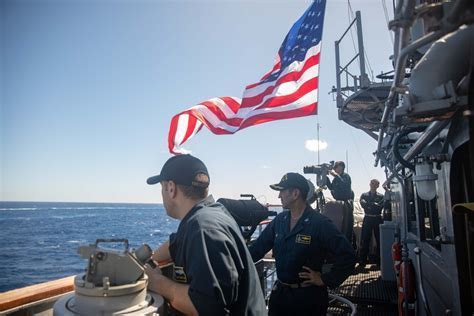
The trilateral cooperation showcased at Talisman Sabre reflects a maturing security partnership between Japan, Australia, and the United States. Australia’s hosting of Japanese missile units represents a historic first, signaling trust, shared strategic priorities, and growing interoperability among the three nations.
By enhancing joint missile deployment training, these exercises strengthen the collective deterrence posture in the Indo-Pacific and increase readiness for potential high-intensity conflicts in contested maritime zones.
Japan’s Shift to a Proactive Security Posture
Japan’s constitutionally constrained military posture has historically limited its ability to project power abroad. However, under recent defense reforms and strategic realignments, Tokyo is expanding its role from a reactive defender to an active regional stabilizer. Deploying the Second Artillery Brigade and conducting live-fire drills abroad represent a clear break from previous operational limitations.
This new approach aligns with Japan’s National Security Strategy updates, which emphasize long-range strike capabilities, rapid deployment forces, and stronger security partnerships with like-minded nations. As part of this transformation, Japan is enhancing its Self-Defense Forces’ ability to integrate into complex, multinational combat environments.
A Milestone for Regional Defense Cooperation
This exercise also reaffirms the importance of multinational military drills like Talisman Sabre as platforms for force integration, interoperability testing, and capability development. For Japan, the successful firing of the Type 12 missile in Australia is a statement of intent—that it is prepared to take on greater responsibility in safeguarding shared maritime interests.
As geopolitical tensions intensify, particularly in the Taiwan Strait and South China Sea, Japan’s demonstrated ability to deploy and operate advanced missile systems alongside key allies reinforces regional deterrence and collective defense capabilities.
Conclusion: A Defining Moment in Japan’s Defense Trajectory
The overseas live-fire of the Type 12 Surface-to-Ship Missile marks more than a tactical success—it signifies a strategic turning point for Japan. By integrating cutting-edge missile systems into a multinational battle network, Japan is emerging as a forward-leaning security actor capable of shaping Indo-Pacific defense dynamics.
Through its participation in Talisman Sabre 2025, Japan showcased operational flexibility, technological sophistication, and a willingness to confront evolving regional threats head-on. This achievement not only strengthens its national defense but also enhances the security architecture of the entire Indo-Pacific region.