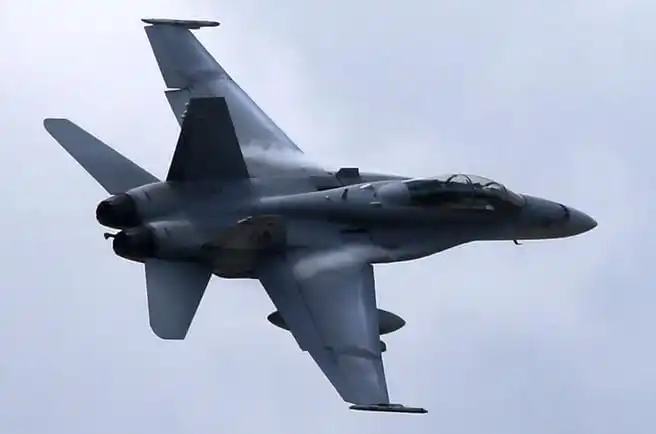
Ukraine’s Interest in Acquiring F-18s
In mid-2023, Ukraine explored multiple options to modernize its air force amid the ongoing Russia-Ukraine war. Among these options was an inquiry into acquiring retired F/A-18 Hornet fighters from Australia. The Australian Air Force had 41 F/A-18s scheduled for decommissioning, and rather than allowing them to be scrapped, Ukraine sought to repurpose them to bolster its defensive capabilities. This move was part of broader efforts to transition from Soviet-era MiG-29s to Western aircraft.
Negotiations included multiple stakeholders, with the United States and Australia playing key roles, and Sweden also engaged due to discussions around potential JAS 39 Gripen acquisitions. Despite the interest in the F/A-18, Ukraine’s top priority remained the F-16 Fighting Falcon, given its operational advantages and NATO-standard compatibility.
Ukraine’s Rejection of the Australian F-18s
By late 2024, after months of evaluations and discussions, Ukraine ultimately rejected the offer of retired Australian F-18s, branding them as “air junk.” Ukrainian officials cited multiple concerns, including:
Technical Obsolescence
The F/A-18 Hornet was originally designed in the 1970s and, despite various upgrades, the units offered by Australia lacked modern avionics, stealth capabilities, and electronic warfare systems. The aircraft, having been decommissioned, required extensive overhauls to be operationally viable.
High Maintenance and Operational Costs
Older aircraft demand significant resources to sustain combat readiness. The F-18s offered by Australia required substantial investment in spare parts, engine refurbishments, and weapons system upgrades. In contrast, Ukraine could more easily maintain MiG-29s—its existing fleet—while transitioning to F-16s.
Compatibility Issues
The Ukrainian Air Force’s infrastructure, training programs, and logistical networks were already aligned with MiG-29s and had begun adapting for F-16 integration. The F-18, being a twin-engine carrier-based aircraft, presented unique operational challenges that did not align with Ukraine’s land-based air force strategy.
Comparison with Other Fighter Jets
Ukraine’s decision to bypass the F-18 in favor of other options was based on direct comparisons with existing and potential aircraft.
F-16 vs. F-18
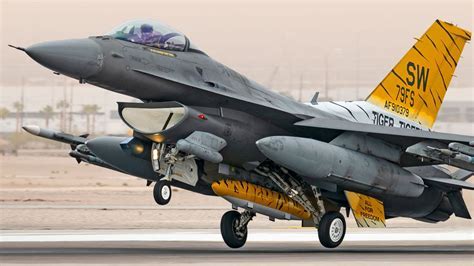
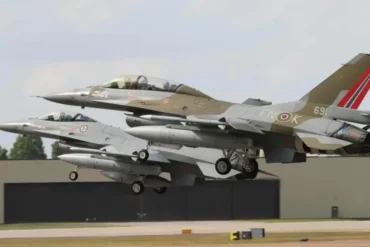
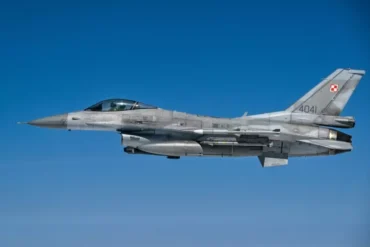
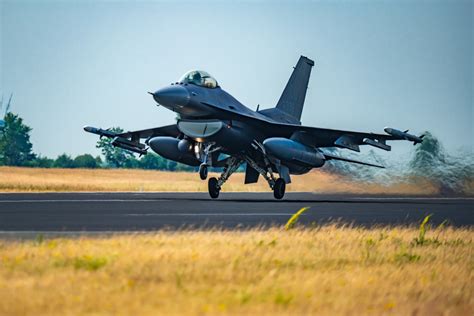
The F-16 Fighting Falcon emerged as Ukraine’s preferred Western aircraft due to its ease of integration, widespread NATO support, and readily available spare parts. Unlike the F/A-18, the F-16 is a single-engine aircraft, making it more fuel-efficient and simpler to maintain.
While the F/A-18 Hornet offers advantages in range, payload capacity, and dual-engine reliability, its carrier-based design and heavier frame made it less suitable for Ukraine’s airfields and combat strategy.
MiG-29 Considerations
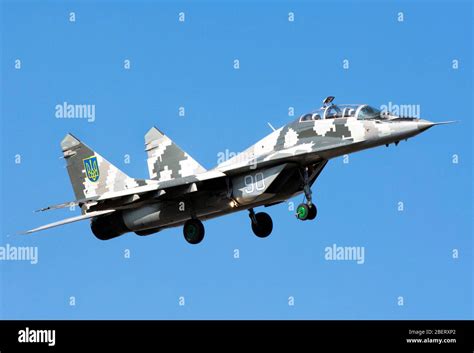
The MiG-29, a Soviet-era jet still in Ukrainian service, continues to provide strategic advantages. The aircraft’s familiarity among Ukrainian pilots and engineers, coupled with ongoing donations from Poland and Slovakia, ensures continued operational capability. Maintaining MiG-29s remains cost-effective compared to integrating a completely new platform like the F/A-18.
Geopolitical and Strategic Implications
The push for Western aircraft aligns with Ukraine’s broader military modernization efforts and NATO interoperability goals. However, the rejection of the F/A-18 reflects a careful cost-benefit analysis. Key geopolitical factors influencing Ukraine’s decision include:
- Delays in F-16 deliveries: Despite strong Western backing, the logistical and training pipeline for F-16s has been slower than anticipated.
- Alternative options: Instead of investing in outdated F/A-18s, Ukraine opted to expand its MiG-29 fleet with donated units while awaiting F-16 arrivals.
- Western commitments: The U.S. and allies have been more willing to supply F-16s rather than invest in retrofitting older F/A-18s.
Regional Arms Race and Strategic Developments
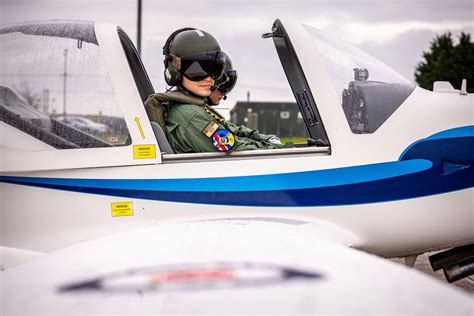
The Russia-Ukraine war has fueled an arms buildup across Europe. Several NATO-aligned countries have been modernizing their air fleets in response to regional tensions. Notable developments include:
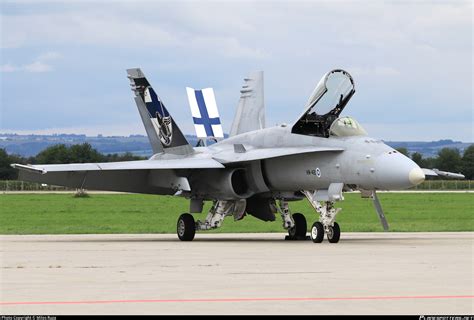
- Finland phasing out its F/A-18 fleet in favor of F-35s.
- Switzerland conducting highway landing exercises with F/A-18s, demonstrating a unique operational use case for the aircraft.
- Poland and Slovakia providing Ukraine with additional MiG-29s, reinforcing Ukraine’s reliance on the Soviet-era platform.
Despite these shifts, Ukraine’s rejection of F-18s highlights a preference for long-term compatibility and efficiency over acquiring surplus aircraft with limited future viability.
Conclusion
Ukraine’s interest in the F/A-18 Hornet was short-lived, driven by necessity but ultimately dismissed due to practical limitations. Although the F/A-18 is a capable multi-role fighter, it failed to meet Ukraine’s operational requirements due to technical obsolescence, high maintenance demands, and limited compatibility with existing systems. Instead, Ukraine remains committed to integrating F-16s while sustaining its MiG-29 fleet. This strategic approach prioritizes NATO interoperability, cost-effective operations, and logistical feasibility in a prolonged conflict scenario.
Frequently Asked Questions (FAQ)
Why did Ukraine reject the F-18 Hornet?
Ukraine rejected the retired Australian F/A-18s due to their age, high maintenance costs, and lack of compatibility with existing infrastructure. The F-16 was a more viable choice due to its ease of integration and NATO-standard support.
Could the F/A-18 still be useful for Ukraine?
While the F/A-18 Hornet remains a capable aircraft, Ukraine deemed the required modernization and adaptation costs too high. The focus remains on integrating F-16s and maintaining MiG-29s, which offer better combat effectiveness under current battlefield conditions.
What aircraft is Ukraine prioritizing instead of the F-18?
Ukraine is prioritizing the F-16 Fighting Falcon, which offers better compatibility, ease of maintenance, and NATO support. Additionally, continued use of MiG-29s allows for sustained combat operations while transitioning to Western platforms.