The aviation industry is confronting renewed scrutiny after a serious allegation emerged involving an EVA Air flight crew during ground operations at Los Angeles International Airport. The incident, which reportedly unfolded while the aircraft was taxiing for departure to Taipei, has raised urgent questions about cockpit discipline, crew coordination, and how airlines respond when internal conflict escalates into violence.
According to accounts cited by Taiwanese media, the confrontation occurred inside the cockpit of an EVA Air Boeing 777 shortly after pushback at LAX. The disagreement centered on taxiing speed, a phase of flight often underestimated by the public yet governed by strict operational limits designed to protect ground safety. In this case, the disagreement allegedly turned physical, transforming a routine pre-departure procedure into a highly disturbing episode.
The flight’s first officer, a Malaysian national, reportedly became concerned that the Taiwanese captain was taxiing faster than the prescribed 30-knot limit. After issuing multiple verbal warnings without receiving a corrective response, the first officer allegedly took the extraordinary step of manually applying the brakes, an action permitted under published procedures when safety is at risk.
The response that followed is at the heart of the investigation. Reports claim the captain reacted with anger and physically assaulted the first officer, striking him multiple times and causing visible swelling and bruising to his hand. Despite the alleged violence, the flight continued as scheduled, a decision that has drawn sharp criticism from aviation observers and whistleblowers alike.
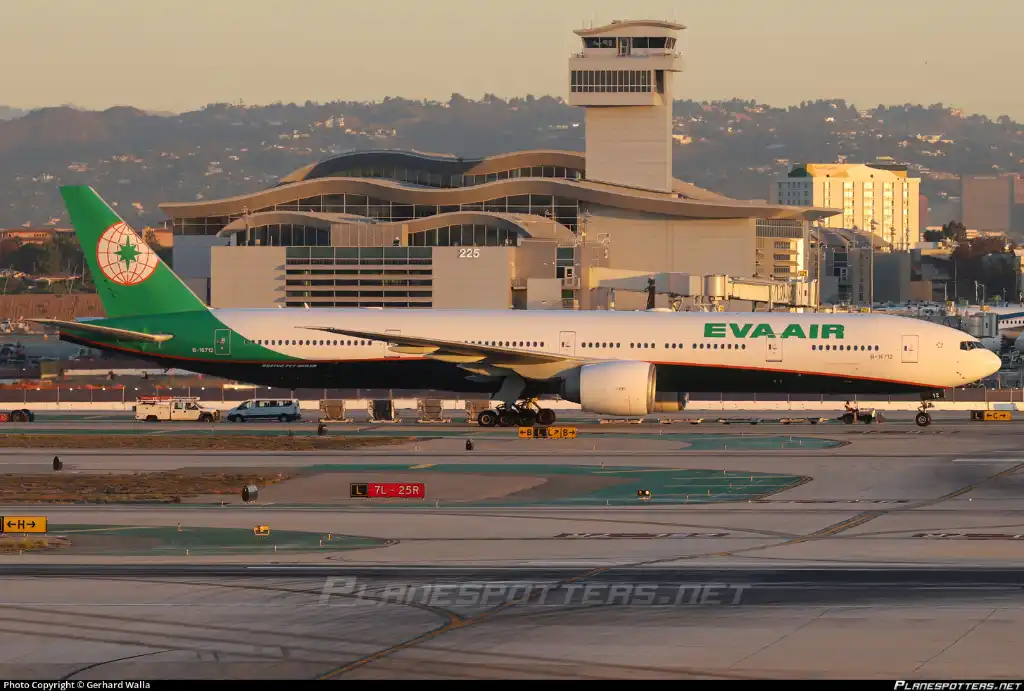
Incident During Taxiing at LAX Raises Safety Concerns
What has intensified concern within aviation circles is not only the alleged assault itself, but the assertion that the airline’s emergency response protocols were not activated. A whistleblower familiar with the case reportedly expressed alarm that a pilot described as emotionally unstable could remain in command of a long-haul international flight carrying hundreds of passengers across the Pacific.
EVA Air responded by suspending the captain and initiating an internal investigation. The airline stated that data retrieved from the cockpit’s quick access recorder did not show the aircraft exceeding taxi speed limits. This discrepancy between recorded data and crew testimony now forms a central pillar of the inquiry, underscoring how complex and sensitive cockpit investigations can become.
Regulatory Scrutiny and Possible Penalties
Taiwan’s Civil Aviation Administration has launched its own investigation into the incident. Regulators have emphasized that if crew actions are found to have compromised flight safety, legal penalties may follow. Such oversight reflects the industry’s broader recognition that cockpit behavior, even before takeoff, can have far-reaching consequences for operational safety and public trust.
A Familiar Breakdown in Crew Resource Management
While physical altercations on the flight deck are rare, aviation experts note that crew resource management failures remain a recurring factor in serious incidents worldwide. Pilots often fly with colleagues they barely know, and steep hierarchies can discourage junior crew members from asserting safety concerns. When warnings are ignored, the resulting tension can escalate dangerously, as this case appears to demonstrate.
Historically, some of aviation’s most tragic accidents have been linked not to mechanical failure, but to breakdowns in communication and mutual respect inside the cockpit. Equally troubling are situations in which first officers remain silent despite recognizing a hazard, fearing professional repercussions or conflict with senior captains.
Industry Implications for Airline Culture
The EVA Air case has reignited debate over how airlines identify, monitor, and manage behavioral risks among flight crews. Training programs are designed to neutralize personality clashes through standardized procedures, yet this incident suggests that safeguards can fail when emotions override discipline.
If the allegations are confirmed, the case may prompt airlines globally to re-examine how aggressively they enforce zero-tolerance policies for cockpit violence and how swiftly they intervene when warning signs emerge. At stake is not only the well-being of flight crews, but the confidence of passengers who trust airlines to maintain absolute professionalism at every stage of flight.