American Airlines is at the center of a high-stakes legal battle following the filing of a $36 million federal lawsuit that could reshape the future of airline-sponsored flight training programs in the United States. Eighteen former student pilots, predominantly people of color, are suing the airline, its federal credit union, and Coast Flight Training for alleged racial discrimination, fraudulent marketing, and predatory financial practices tied to the American Airlines Cadet Academy.
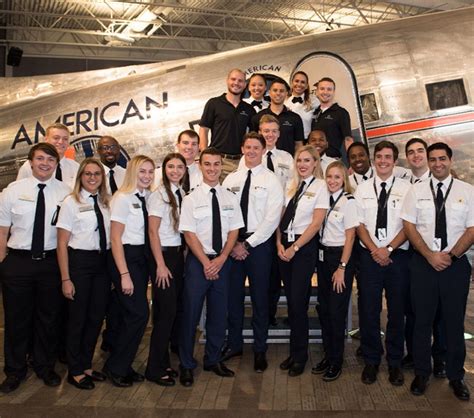
The Promise of Opportunity Turns Into Financial Nightmare
Launched to address the growing pilot shortage and promote diversity in aviation, the American Airlines Cadet Academy promised a streamlined, fast-track route to the cockpit of the world’s largest airline. Plaintiffs assert they were assured the program would allow them to achieve all necessary flight ratings within 12 months, supported by structured mentorship, consistent flight hours, and fixed-cost financing. These representations, they allege, were central to their decision to leave jobs, relocate, and take out six-figure loans.
However, the reality was starkly different. According to the lawsuit filed in the U.S. District Court for the Southern District of California on December 16, 2025, cadets experienced irregular training schedules, limited aircraft availability, and inconsistent instruction. The advertised timeline and budget quickly unraveled. Not a single one of the 18 plaintiffs completed the program as promised.
The plaintiffs report being encouraged to secure substantial loans through American Airlines Federal Credit Union, with the understanding that these would cover not just tuition but also living expenses. Instead, they found themselves facing ballooning costs, prolonged training durations, and, eventually, expulsion or forced resignation after being diverted to remedial tracks.
Disproportionate Impact on Minority Students Raises Civil Rights Concerns
The heart of the lawsuit beats with an accusation of systemic racial discrimination. The plaintiffs argue the program was aggressively marketed to minorities as part of American Airlines’ diversity push—while internally, the airline allegedly knew that many of these students were unlikely to complete training.
This practice, referred to in the complaint as “reverse redlining,” echoes historic patterns of targeting minority communities with high-risk financial products. Plaintiffs state they were more likely to be encouraged to take on significant debt despite the program’s failure to deliver results. Once enrolled, these cadets reportedly faced a hostile environment:
- Fewer flight hours and access to training resources compared to white peers
- Harsh grading practices that disproportionately affected students of color
- Higher rates of remediation and dismissal among non-white cadets
- Racially charged remarks from instructors and staff
The lawsuit alleges that non-white cadets were over three times as likely to be removed from the program compared to white students. This systemic disparity, the plaintiffs claim, rendered success almost impossible and left them not only disillusioned but financially devastated.
Legal Grounds: Civil Rights, Racketeering, and Consumer Protection
Filed by civil rights law firm Sanford Heisler Sharp McKnight, the lawsuit encompasses a wide range of allegations:
- Violations of federal civil rights laws
- Deceptive and unfair business practices under California and Texas statutes
- Racketeer Influenced and Corrupt Organizations Act (RICO) claims
- Equal Credit Opportunity Act violations
- Defamation by Coast Flight Training allegedly damaging cadets’ career prospects
According to Saba Bireda, a partner at the firm, “They were sold the opportunity of a lifetime but instead walked away with crippling debt and shattered careers.” The lawsuit seeks $36 million in damages, as well as injunctive relief to prevent future harm to aspiring pilots.
Broader Implications: Flight Schools Under Scrutiny
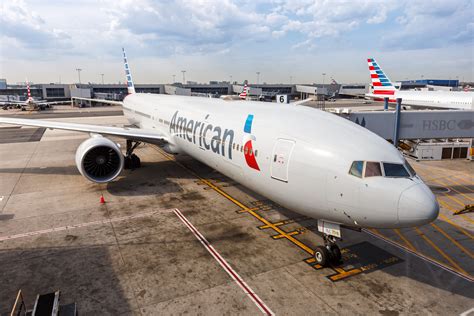
This lawsuit comes amid rising reliance on airline-backed training academies to address the national pilot shortage. While programs like the American Airlines Cadet Academy and United Airlines’ Aviate Academy promise faster paths to aviation careers, they often require students to shoulder immense debt with uncertain returns. As such, the industry faces increasing scrutiny over the transparency and structure of these programs.
Legal experts believe the outcome of this case could redefine standards for marketing, financing, and oversight in the pilot training sector. If the plaintiffs succeed, airlines may be forced to overhaul how they recruit and support cadet pilots, especially those from historically marginalized backgrounds.
Silence From American Airlines Amid Growing Pressure
Despite the seriousness of the allegations, American Airlines has yet to issue a public statement regarding the lawsuit. Industry observers and civil rights advocates are closely watching how the company responds—not just in court, but in its future diversity initiatives and training policies.
The case has already sent shockwaves through aviation circles, potentially influencing government regulators and consumer advocates to examine other programs with similar structures. With growing public awareness of racial inequities in professional pipelines, the case has tapped into a broader conversation about access, accountability, and exploitation in education-to-career pipelines.
What Comes Next in the Legal Fight
The case will now proceed through the federal court system in California. The defendants, including American Airlines, its credit union, and Coast Flight Training, have denied all allegations, though their formal responses are pending. If the plaintiffs prevail, it may lead to:
- Stricter regulations on aviation training program advertising and loan structures
- Increased oversight of diversity initiatives to ensure meaningful support
- Compensation and potential debt relief for affected cadets
As the legal process unfolds, more information will likely come to light about the internal operations of the Cadet Academy, the motivations behind its financing model, and the true scope of its impact on aspiring minority pilots.
For now, the 18 plaintiffs are demanding not just compensation but accountability for what they claim is a system that lured them in with the promise of flight—and left them grounded by systemic failure and discrimination.