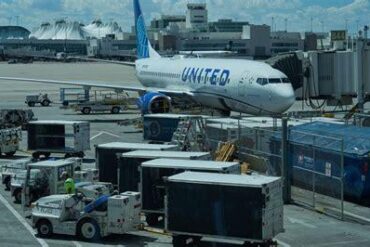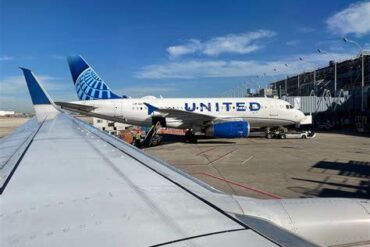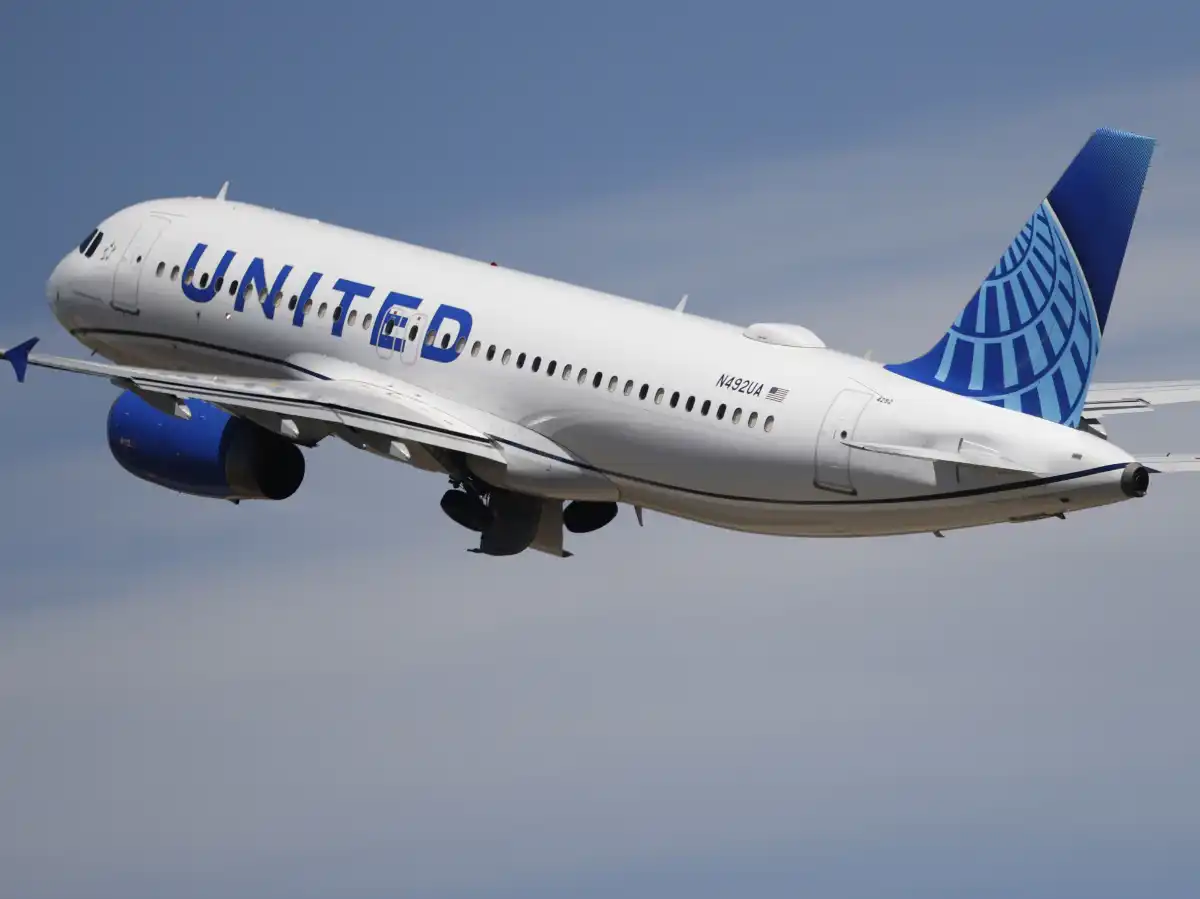
A lawsuit filed by 57 passengers against United Airlines has ignited a fierce debate over alleged antisemitic discrimination aboard a flight from Newark, New Jersey, to Tel Aviv, Israel. The plaintiffs claim they were subjected to humiliation, prejudice, and collective punishment based solely on their Jewish identity, raising serious concerns about airline protocols, crew training, and the treatment of religious minorities in aviation.
United Airlines Faces Accusations of Prejudice Mid-Flight
The incident in question occurred on April 22, 2023, when United Airlines Flight UA90 departed from Newark Liberty International Airport bound for Ben-Gurion International Airport in Tel Aviv. According to the lawsuit filed in Manhattan Supreme Court, the plane was turned around three hours into the journey after a passenger—while waiting for the restroom—briefly sat in an unoccupied flight attendant’s seat. This seemingly minor act triggered what the crew labeled a “security threat,” leading the pilot to abort the transatlantic flight and return to Newark.
The lawsuit alleges that the crew’s reaction was disproportionate and discriminatory, targeting passengers who were “visibly Jewish”. Many were traveling to Israel for Yom Hazikaron and Yom Ha’atzmaut, solemn and celebratory days of national remembrance and independence. The suit contends that the “ill-trained and/or unvetted crew” unfairly blamed the entire group of Jewish passengers for the incident, subjecting them to collective punishment and a forced diversion.
Claims of Hostile Treatment and Lack of Assistance
Upon returning to Newark, passengers were left stranded without support, the lawsuit claims. Rather than providing immediate rebooking assistance, hotel accommodations, or proper customer care, the plaintiffs allege that a flight attendant dismissively told them to “go ask your own kind” for help. This phrase, cited in the lawsuit, underscores what the passengers describe as overt antisemitic hostility from United’s staff.
The suit asserts that United Airlines “acted willfully, wantonly and with reckless disregard” for the rights of the plaintiffs. By targeting Jewish passengers as a group, the airline allegedly denied them the continuation of their journey and exposed them to public humiliation and prejudice. Legal experts say that if proven, such actions could violate both federal anti-discrimination laws and international aviation standards.
Airline Denies Allegations, Citing Safety Protocols
In response to the lawsuit, United Airlines has categorically denied any wrongdoing, labeling the claims “meritless.” In a statement provided to the New York Post, the airline asserted: “Our crew put safety first and exhibited professionalism in managing this matter, and we will vigorously defend against these false allegations.”
This defense aligns with the airline’s insistence that the return to Newark was a necessary safety precaution. Yet critics question whether the decision to reroute was based on legitimate security concerns or on unconscious bias and misjudgment by the flight crew. The contrast between official statements and the passengers’ claims raises unresolved tensions that could play out in court.
A Pattern of Discriminatory Allegations?
Adding fuel to the controversy is the revelation that United Airlines is also the subject of a criminal complaint stemming from a separate incident. According to reports, a United pilot allegedly forced open an airplane bathroom door while an Orthodox Jewish man was inside, despite being informed of the man’s medical condition. While not directly tied to the April 22 incident, this complaint underscores broader concerns about how Jewish passengers are treated by the airline’s personnel.

Legal Implications and Broader Impact
The lawsuit’s outcome could have significant legal and cultural ramifications for the airline industry. Discrimination lawsuits against airlines are notoriously complex, often hinging on subjective interpretations of intent, safety protocols, and passenger behavior. However, legal analysts note that the use of collective punishment—penalizing an entire group for the actions of an individual—could pose a substantial challenge for United’s defense.
Moreover, the case highlights the fragile balance between security vigilance and civil rights protections in the post-9/11 era. Airlines have broad discretion to address perceived threats, but that discretion is not immune from judicial scrutiny when it allegedly crosses into discriminatory practices.
Community Outrage and Calls for Accountability
Jewish advocacy groups have swiftly condemned the reported actions, calling on United Airlines to conduct an independent investigation and implement stronger anti-discrimination training for flight crews. “No traveler should be subjected to humiliation or unequal treatment because of their religion or ethnicity,” stated a spokesperson for a leading Jewish civil rights organization.
The plaintiffs seek compensatory and punitive damages, arguing that the airline’s actions caused them emotional distress, financial loss, and reputational harm. Their legal team has signaled an intention to pursue full accountability through the courts, raising the possibility of a protracted legal battle with implications for both United Airlines and the broader aviation industry.
The Path Forward for United Airlines
For United Airlines, this case represents a critical test of corporate responsibility and crisis management. Even as the airline maintains that it acted appropriately, the negative publicity surrounding allegations of antisemitism and discrimination threatens to erode trust among consumers, particularly within the Jewish community and other minority groups concerned about equitable treatment.
Industry observers suggest that regardless of the lawsuit’s outcome, airlines must strengthen cultural competency training and review escalation protocols to prevent future incidents. The fine line between security enforcement and civil liberties protection demands nuanced, well-trained responses—not actions that risk being perceived as biased or heavy-handed.
As the case moves forward, the aviation world watches closely. The legal proceedings may not only determine compensation for the 57 passengers but could also set important precedents for how airlines worldwide handle allegations of discrimination, collective punishment, and religious prejudice at 35,000 feet.