
If you’ve had a frustrating experience with JetBlue Airways and exhausted all possible customer service routes without resolution, legal action may be your next recourse. Filing a claim against JetBlue can feel overwhelming, but the process can be navigated successfully when approached systematically. This article provides a detailed roadmap for suing JetBlue, whether through small claims court or consumer arbitration.
Understanding Your Legal Options Against JetBlue
JetBlue, like many major corporations, often includes arbitration clauses in its terms of service that attempt to funnel disputes away from public courts. However, consumers retain the right to pursue legal action, including the use of small claims courts when appropriate.
Two primary avenues are available:
- Consumer Arbitration: A private, legal dispute process designed to resolve conflicts outside of a traditional court.
- Small Claims Court: A formal court process tailored for minor financial disputes.

Why Consumer Arbitration Might Be Your First Step
Consumer arbitration is frequently overlooked, yet it is a powerful legal mechanism. Unlike traditional litigation, it doesn’t require in-person appearances, and the entire process can often be conducted through mail, phone, or virtual hearings.
JetBlue’s terms and conditions typically contain arbitration clauses. You can confirm this by reviewing their contract of carriage or searching for the term “arbitration” in their legal documentation. If your claim exceeds your state’s small claims limits, arbitration becomes your only viable route.
Arbitration is often conducted through independent bodies like the American Arbitration Association (AAA). Once initiated, JetBlue may decide to settle to avoid lengthy procedures or bad publicity.
Choosing Small Claims Court: The Right Fit for Specific Cases
If your case is within the financial threshold of small claims court, and you prefer a more public and formal route, then suing JetBlue in small claims court could be the best option. This is ideal for claims like:
- Delayed or cancelled flights without proper compensation
- Damaged or lost luggage
- Unexpected charges or fees
- Poor in-flight service resulting in financial harm
Each U.S. state has a cap on the amount you can claim in small claims court — ranging from $2,500 to $25,000. Be sure to check your jurisdiction’s specific monetary limits before proceeding.
Step-by-Step: How to Sue JetBlue in Small Claims Court
Step 1: Confirm That Your Case Qualifies
Before suing JetBlue in small claims court, ensure your claim seeks monetary compensation only. Equitable relief, such as asking JetBlue to change policies or issue a public apology, is not allowed.
For example, if your damaged luggage was worth $1,200 and the state limit is $5,000, you’re eligible to file in small claims court. However, if you’re seeking reimbursement for a $20,000 international flight issue, arbitration or regular civil court would be required.
Step 2: Send JetBlue a Demand Letter
A demand letter is a mandatory prerequisite before filing in court. This document must:
- Be addressed to JetBlue’s legal contact:
JetBlue Airways Corporation
C/O CORPORATION SERVICE COMPANY
251 LITTLE FALLS DRIVE
WILMINGTON, DE 19808
- Include your full name, contact details, JetBlue account or flight number, a clear description of the issue, and the resolution you seek (e.g., a refund of $750).
- Be sent via certified mail with delivery confirmation.
This letter serves both as a final opportunity for JetBlue to resolve the matter voluntarily and as proof for the court that you’ve attempted resolution.
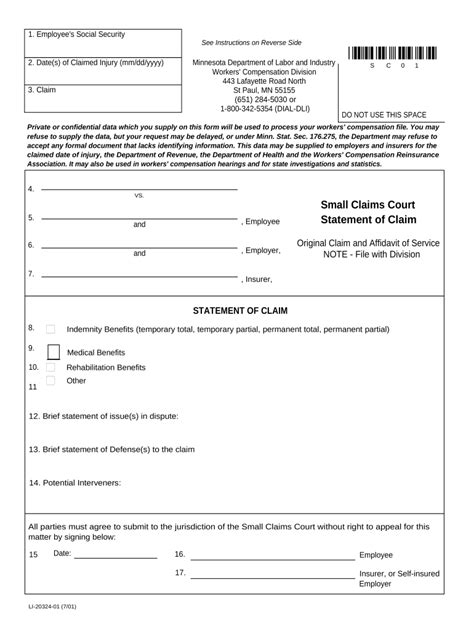
Step 3: Fill Out Your Court Forms
Each state and sometimes each county has different forms. Most require:
- A complaint form describing your claim
- Copies of your demand letter, receipts, and communication logs
- 3-4 copies of each document
Visit your state’s judiciary website to download the relevant forms. Ensure accuracy — any mistakes can delay or derail your case.
Step 4: File the Forms with the Court
You must file your documents in person at the court clerk’s office in your jurisdiction, unless your court allows online or mail submissions.
Be prepared to:
- Pay a filing fee, typically $30–$200
- Provide multiple copies of your forms
- Receive a court date stamped on your papers
If you’re low-income, ask the clerk for a fee waiver application.
Step 5: Serve JetBlue with Legal Notice
Serving JetBlue means formally notifying them of the lawsuit. This is a strictly regulated process, and improper service can lead to case dismissal.
Acceptable methods often include:
- Hiring a process server or using the county sheriff
- Sending documents through certified mail (with court approval)
- Following state-specific guidelines for corporate defendants
Include all necessary court-stamped documents in the service package.
Step 6: Prepare for Your Hearing
On the day of your hearing:
- Arrive on time and dress professionally
- Bring multiple copies of all documents
- Organize evidence such as receipts, photos, screenshots, flight numbers, and email records
If JetBlue fails to appear, you may win by default. However, if they do show up with representation, be clear, concise, and stick to the facts.
Sometimes, the judge issues a decision immediately. Other times, it may take weeks. If you win, the court will award a judgment — a legally enforceable decision requiring JetBlue to pay you.
What Happens After You Win a Case Against JetBlue?
If the judge rules in your favor, JetBlue is legally obligated to pay the awarded amount. However, enforcement might be required if they delay or refuse to pay. You may need to:
- Request a writ of execution
- Garnish corporate bank accounts (via legal means)
- Place a lien on JetBlue’s property
Courts usually provide guidance or legal aid resources to help consumers collect their judgments.
Final Thoughts: Taking on a Giant Like JetBlue
Suing JetBlue may seem like a daunting task, but legal frameworks such as small claims court and consumer arbitration exist to empower individuals. By following the appropriate steps, maintaining thorough documentation, and exercising patience, you can stand up to even the most powerful airlines.
When executed correctly, your lawsuit can lead not only to compensation but also to meaningful accountability from a major corporation. Never underestimate the power of an informed, persistent consumer.