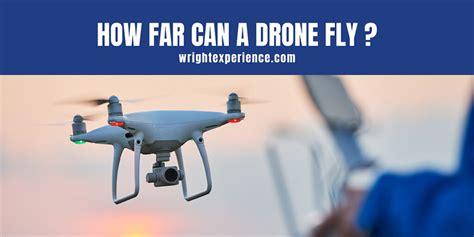
Drones have soared in popularity for recreation, industry, and defense, but range—the distance a drone can fly from its controller—is perhaps the most overlooked yet critical performance factor. While speed, battery life, and camera specs draw much attention, it’s the drone’s communication fidelity and regulatory boundaries that ultimately define its operational envelope. Technically, some drones can fly for hundreds of kilometers, but legal restrictions such as the FAA’s Visual Line of Sight (VLOS) rule cap their utility far sooner.
What Determines the Flight Range of a Drone?
Understanding drone range begins with its engineering and environmental context. A variety of internal and external factors interact to shape how far a drone can realistically travel:
- Battery Capacity: Drones rely heavily on lithium polymer batteries. Larger batteries store more energy but increase the craft’s weight. The most efficient drones optimize energy density—packing more power into lighter formats.
- Size and Weight: Heavier drones need more thrust, consuming more battery power. Aerodynamic designs minimize air resistance and extend range by improving power efficiency.
- Environmental Conditions: Wind patterns matter. Tailwinds aid range while headwinds and turbulence drain battery reserves. Temperature extremes can reduce battery life by as much as 40%.
- Motors and Propellers: High-efficiency brushless motors paired with optimized propeller designs generate better thrust with lower energy consumption.
- Signal Strength: Trees, buildings, and other obstructions degrade radio frequency links. Advanced controllers with high-gain antennas or frequency-hopping technology maintain reliable communication over greater distances.
- Flying Style: Aggressive maneuvers such as sudden climbs or acrobatics reduce efficiency. Steady, linear flights conserve energy.
- Regulatory Limits: VLOS restrictions often cap flight range below the drone’s technical potential, generally within 0.25–0.5 miles without a waiver.
How Far Can a Drone Fly from Its Controller?
Flight range varies greatly depending on the drone’s purpose. From toys to tactical UAVs, drones are engineered for diverse missions:
- Military Drones: Aircraft like the MQ-9 Reaper can travel up to 1,150 miles (1,850 km) using satellite links. Tactical units typically have shorter, yet still significant, ranges of 20–50 miles (32–80 km).
- Police Drones: Law enforcement uses drones like the JOUAV CW-15 with a maximum range of 31 miles (50 km) in urban environments, though most units average 5 to 9 miles (8 to 15 km).
- Delivery Drones: Zipline’s medical drones exceed 50 miles, while other logistics drones operate within a 10–50 mile radius.
- Commercial/Civilian Drones: DJI Inspire 2 tops out at 4.3 miles (7 km), while the JOUAV CW-30E pushes boundaries with 124.3 miles (200 km).
- FPV Drones: These racing and freestyle drones often operate between 0.5 and 4 miles (0.8–6.5 km) due to their manual control nature.
- Toy and Mini Drones: Budget models fly only 20–300 feet (6–90 meters), while high-end mini drones like the DJI Mini 2 can reach up to 6.2 miles (10 km).
- Hobbyist Drones: Personal drones for non-commercial users usually cap out around 2 miles (3.2 km).
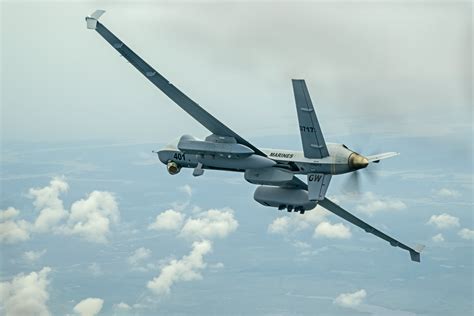
Drone Range Categories: Technical Classification
To better understand drone performance tiers, industry experts classify drones into range categories:
- Very Close-Range: Up to 5 km with approximately 1-hour endurance, often used for recreational or training purposes.
- Close-Range: Up to 50 km, 1–6 hours; primarily for tactical military or surveillance roles.
- Short-Range: Covers 150 km, with 8–12 hours flight time for mapping and survey tasks.
- Mid-Range: Up to 644 km with 24-hour endurance for military operations.
- Long-Range: Beyond 644 km, used in high-endurance military, espionage, and surveillance operations.
Popular Long-Range Drone Examples
Among the best-performing long-range drones currently on the market:
- JOUAV CW-30E VTOL: 200 km (124.3 miles), flight time of 480 minutes.
- JOUAV CW-15 VTOL: 50 km (31 miles), 180 minutes.
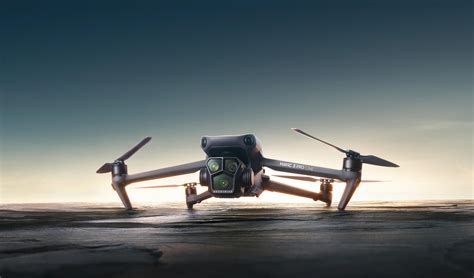
- DJI Mavic 3 Pro: 15 km (9.3 miles), 43 minutes.
- Autel EVO II Pro: Same range as DJI Mavic 3, 15 km, with a 40-minute endurance.
- DJI Avatar 2: 13 km (8 miles), 23 minutes.
- DJI Mini 2: 10 km (6.2 miles), 31 minutes.
- Exo X7 Ranger, iFlight 2raw Helion 10: 10 km, 30 and 26 minutes respectively.
How Far Can a Drone Fly Legally?
The technical capabilities of modern drones far exceed the legal limits imposed by aviation authorities. In the U.S., these are governed by the Federal Aviation Administration (FAA):
- Recreational Use: Limited to Visual Line of Sight (VLOS), typically 0.25–0.5 miles. Operators cannot use binoculars or remote observers unless located together.
- Commercial Use (Part 107): Also requires VLOS. Beyond Visual Line of Sight (BVLOS) operations demand special FAA waivers, involving advanced technologies like obstacle avoidance and redundant navigation systems. Approvals are complex and can take months.
- International Laws: Similar frameworks exist in Canada, UK, EU, and Australia, with expanding interest in regulated BVLOS operations.
What Happens If a Drone Flies Out of Range?
Flying beyond control range doesn’t always spell disaster thanks to failsafe mechanisms:
- Return to Home (RTH): Most modern drones use GPS to return to their takeoff point automatically.
- Manual Recovery: If RTH fails, visual contact, orientation lights, and mobile apps assist in recovery.
- Failsafe Modes: Some drones hover in place or descend slowly if signal loss occurs.
- Risks: Low battery, environmental interference, or flying in sport mode can disable RTH.
How Are Long-Range Drones Controlled?
Advanced long-range drones employ a variety of systems to maintain connectivity and control:
- Communication Protocols: Radio frequencies (2.4 GHz/5.8 GHz), cellular (4G/5G), and even satellite links for extended reach.
- Navigation Systems: GPS, GLONASS, and real-time waypoint navigation ensure stability.
- Data Transmission: Live video feeds, telemetry, and mission data are transmitted via high-bandwidth links.
- User Interfaces: Ground Control Stations or mobile apps enable complex mission planning, obstacle avoidance, and telemetry monitoring.
Key Use Cases of Long-Range Drones
Long-range drones serve a wide range of professional and emergency use cases:
- Surveillance: For border patrol, law enforcement, or monitoring large infrastructure.
- Search and Rescue: Equipped with thermal imaging to locate missing persons.
- Agriculture: Monitor crop health, soil data, and irrigation patterns using multispectral sensors.
- Infrastructure Inspection: Drones fly over pipelines, bridges, and towers, identifying damage or maintenance needs.
- Environmental Research: Track wildlife, deforestation, or pollution over large swaths of land.
- Disaster Response: Assess flood zones, wildfire spread, and earthquake impacts in real-time.
- Logistics and Delivery: Transport critical supplies over large distances in remote locations.
How to Extend Your Drone’s Range
Extending a drone’s range requires a mix of hardware, software, and environmental tactics:
- Antenna Upgrades: Positioning and switching to high-gain antennas can significantly improve signal strength.
- Minimize Interference: Avoid flying near metal structures, trees, or congested Wi-Fi areas.
- Software Adjustments: Keep firmware updated and utilize less crowded radio bands like 5.8 GHz.
- Signal Extenders: Commercial or DIY boosters can amplify control signal range.
- Relay Systems: Ground station networks or airborne relays can create a wider control web.
- Weather Considerations: Avoid fog, rain, or snow. Flying with tailwinds and mild temperatures enhances performance.
- Hardware Mods: Advanced users install signal amplifiers or improved transceivers for better range.
FAQ: Drone Range Basics
What is the average drone range?
Most consumer drones average 1 km (0.6 miles) to over 30 km (18 miles). Hobbyist models generally fall within 5–12 km (3–7.5 miles).
Which drone has the longest range?
Military drones like the MQ-9 Reaper or Global Hawk have ranges exceeding 1,000 miles (1,600 km).
How far can DJI drones fly?
High-end DJI models like the Mavic 3 and Matrice 300 RTK reach 15 km, while the Mini 3 Pro covers 12 km. The Phantom 4 Pro V2.0 reaches 8 km.
Can I fly my drone near airports?
Within 5 miles (8 km) of a controlled airport, you need FAA approval via LAANC. In uncontrolled airspace, VLOS still applies and priority is given to manned aircraft.