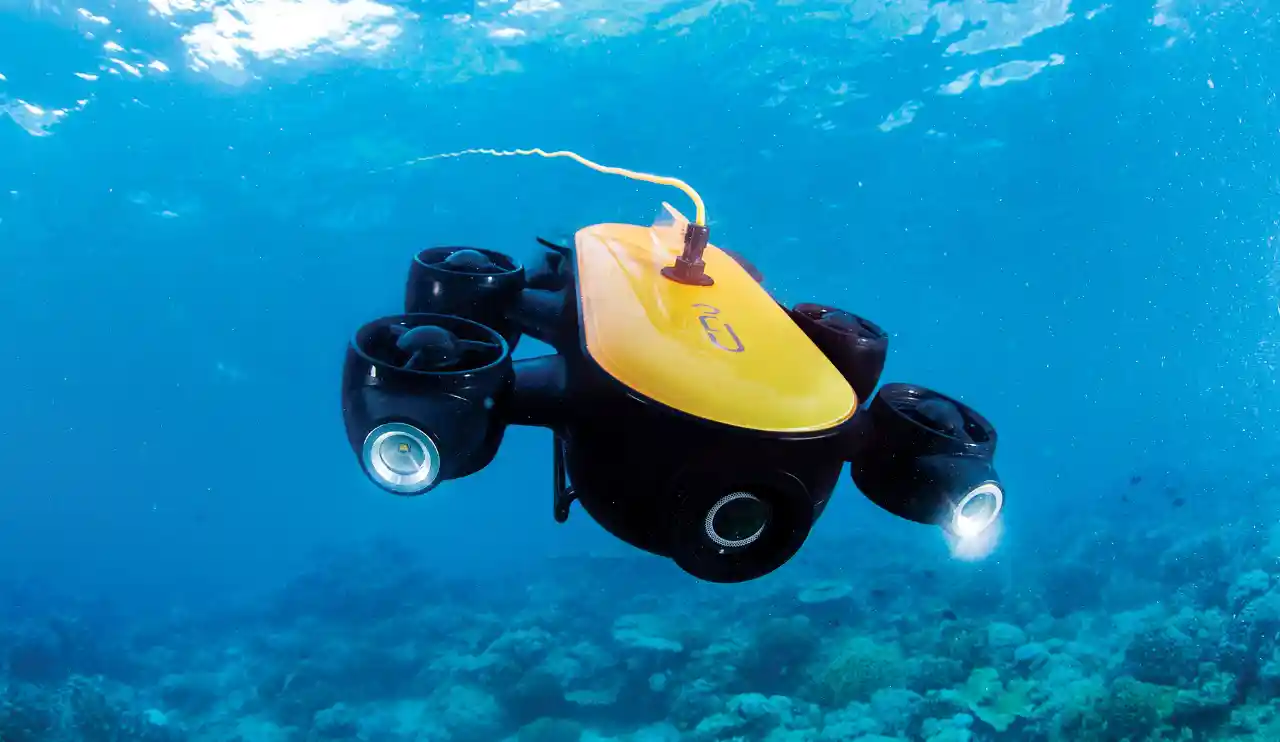
Underwater drones, also known as remotely operated vehicles (ROVs) and unmanned underwater vehicles (UUVs), are steadily gaining popularity among hobbyists, researchers, and commercial operators alike. Yet, unlike their aerial counterparts, the regulatory landscape for underwater drones remains surprisingly undeveloped, leaving many operators unsure about legal requirements. This detailed guide explains everything you need to know about whether you need a license for an underwater drone in 2025.
Understanding Underwater Drones: ROVs and UUVs Defined
Before discussing regulations, it’s essential to understand what qualifies as an underwater drone. Broadly, the terms ROVs and UUVs refer to submersible vehicles that operate without direct human presence onboard. These can be tethered or autonomous and vary significantly in size, capability, and purpose. From lightweight consumer models like the Chasing Dory to complex, industrial-grade UUVs used in offshore oil inspections, the technology covers a wide spectrum.
Do Hobbyists Need a License for Recreational Underwater Drones?
In contrast to aerial drones, there are currently no federal regulations mandating a license for recreational underwater drone operators in the United States. Whether you’re deploying your drone in a local lake or along a coastal area, you can typically do so without prior registration or certification.
This regulatory leniency is largely because underwater drones do not present the same safety hazards as aerial drones. For instance, they’re unlikely to interfere with aviation traffic or fall onto pedestrians. As a result, neither the Federal Aviation Administration (FAA) nor any other federal body directly oversees hobbyist UUV usage.
However, this doesn’t imply a complete absence of regulations.
Maritime Laws and Environmental Restrictions
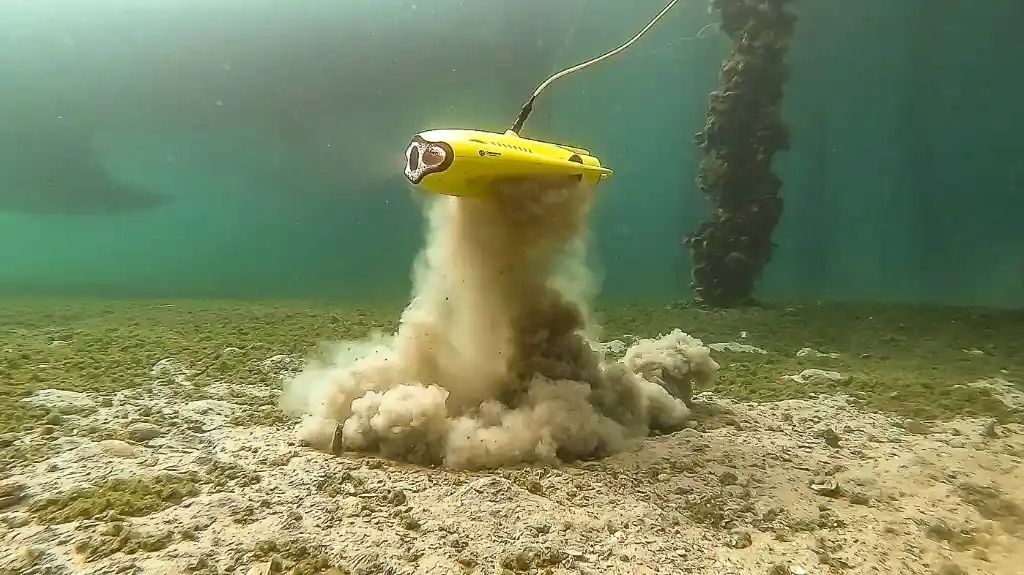
Despite the lack of drone-specific laws, general maritime regulations do apply. These include:
- National Park Restrictions: Operating an underwater drone in undeveloped areas of national parks without a permit is prohibited. Under Title 36 of the Code of Federal Regulations, Section 2.12(a)(3), using motorized equipment, including UUVs, without special permission can result in fines up to $5,000 or even six months’ imprisonment.
- Marine Mammal Protection Act (MMPA): Deploying your underwater drone near protected marine species could violate the MMPA. Interference, disturbance, or harassment of marine mammals, even unintentionally, is punishable under federal law.
- State and Local Restrictions: Certain state parks, marine sanctuaries, and inland water bodies may have specific rules against deploying unmanned vehicles without prior authorization.
When Does an Underwater Drone Become a ‘Vessel’?
In certain circumstances, your UUV may legally qualify as a vessel, invoking an entirely different set of regulations. According to U.S. maritime law, as highlighted in Stewart v. Dutra Construction Co., if a drone is capable of transporting goods or people—even theoretically—it can be classified as a vessel.
Should this classification apply, compliance with the following becomes necessary:
- 46 CFR & 33 CFR Navigation Rules
- Proper lighting and marking equipment
- Environmental regulations concerning waste discharge, including containment of battery fluids
Commercial Use: Licenses, Certifications, and Compliance
Operating underwater drones for commercial purposes introduces more complexity. Industries like offshore energy, undersea infrastructure inspection, and environmental monitoring often require adherence to industry-specific standards. While a formal license might not always be required, employers or clients frequently demand:
- Operator certifications in underwater navigation, safety protocols, and maintenance
- Training under industry frameworks such as IMCA (International Marine Contractors Association) standards
- Proof of compliance with OSHA guidelines if operating in occupational environments
Some sectors mandate specialized certifications for autonomous underwater vehicles (AUVs), especially those deployed for hazardous material surveys or deep-sea exploration.

Liabilities and Insurance Considerations
Even without federal licensing mandates, operating an underwater drone exposes users to legal liabilities. Potential risks include:
- Environmental damage, such as battery leaks
- Collisions with other vessels
- Damage to undersea infrastructure, like cables or pipelines
- Disturbance of protected ecosystems
Consequently, many commercial operators carry specialized drone liability insurance, which may be mandatory under certain contractual agreements or regional laws.
International Regulations: What If You Operate Abroad?
The legal leniency in the U.S. doesn’t necessarily apply worldwide. For example:
- In the European Union, specific directives regulate UUV usage in marine reserves.
- Australia enforces permits for underwater drone operations near sensitive coral reef zones.
- China restricts civilian use of underwater drones in territorial waters without state approval.
Always research national regulations before deploying UUVs internationally to avoid fines, confiscation, or imprisonment.
Technological Advancements and Future Regulation
As underwater drone technologies evolve, future regulations are inevitable. Features like live-streaming, autonomous navigation, and integration with AI-driven mapping systems elevate UUV capabilities, potentially prompting stricter controls. Lawmakers may eventually introduce mandatory registrations, certifications, or operational guidelines to ensure safe and environmentally conscious deployment.
Best Practices for Responsible Underwater Drone Operation
To ensure compliance and responsible use, operators should:
- Check local and maritime laws before deployment
- Avoid disturbing wildlife and sensitive ecosystems
- Keep UUVs properly maintained to prevent leaks or malfunctions
- Operate within visual line of sight where possible
- Secure insurance coverage if operating commercially
Conclusion: Do You Need a License for Your Underwater Drone?
As of 2025, most recreational underwater drone operators do not need a license in the United States. However, commercial usage, operations in protected environments, or activities that classify the UUV as a vessel may impose legal obligations. Understanding and respecting existing maritime and environmental laws is essential for safe and lawful underwater drone deployment. As technology and legislation continue evolving, staying informed about regulatory changes will remain critical for all UUV enthusiasts and professionals.