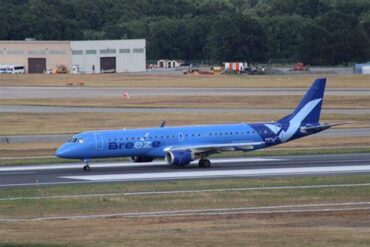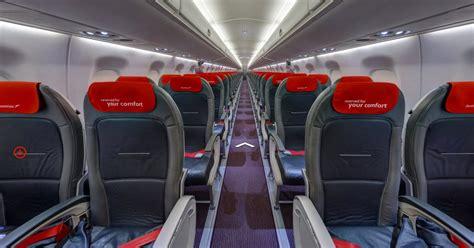
An unusual security incident delayed an Austrian Airlines flight from Košice International Airport in Slovakia to Vienna International Airport after the aircraft crew discovered an unexpected passenger inside the cabin before departure. The Embraer E190 regional jet was preparing to operate flight OS654 when crew members found a man who had apparently entered the aircraft without a ticket or authorization and was sleeping in one of the seats.
The discovery occurred during the early hours of Thursday, July 23, when Austrian Airlines personnel arrived to prepare the aircraft for its scheduled morning service. The flight was expected to depart Košice at 5:25 AM local time, but the presence of the unidentified man immediately triggered security procedures and delayed the operation by approximately two hours.
According to reports from local media, the man was a Slovak citizen in his 50s who had entered the airport terminal during the night. He reportedly accessed areas that were normally restricted, eventually making his way onto the airport apron where aircraft were parked. The incident has raised questions about airport perimeter protection and the effectiveness of overnight security monitoring.
How the Stowaway Entered the Austrian Airlines Aircraft
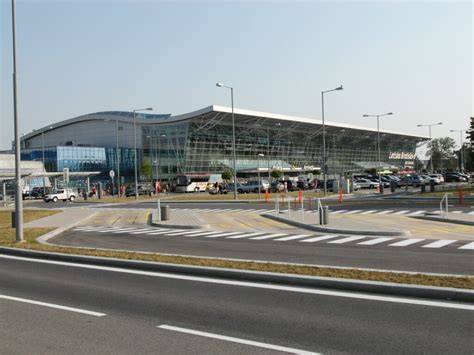
The unusual chain of events reportedly began at around 1:00 AM, when the man entered the terminal building at Košice Airport. With no active flights operating at that hour, most airport facilities were closed, but reports suggested that some bars and food areas remained accessible. The man allegedly obtained food and drinks before approaching an airport employee to ask about flights.
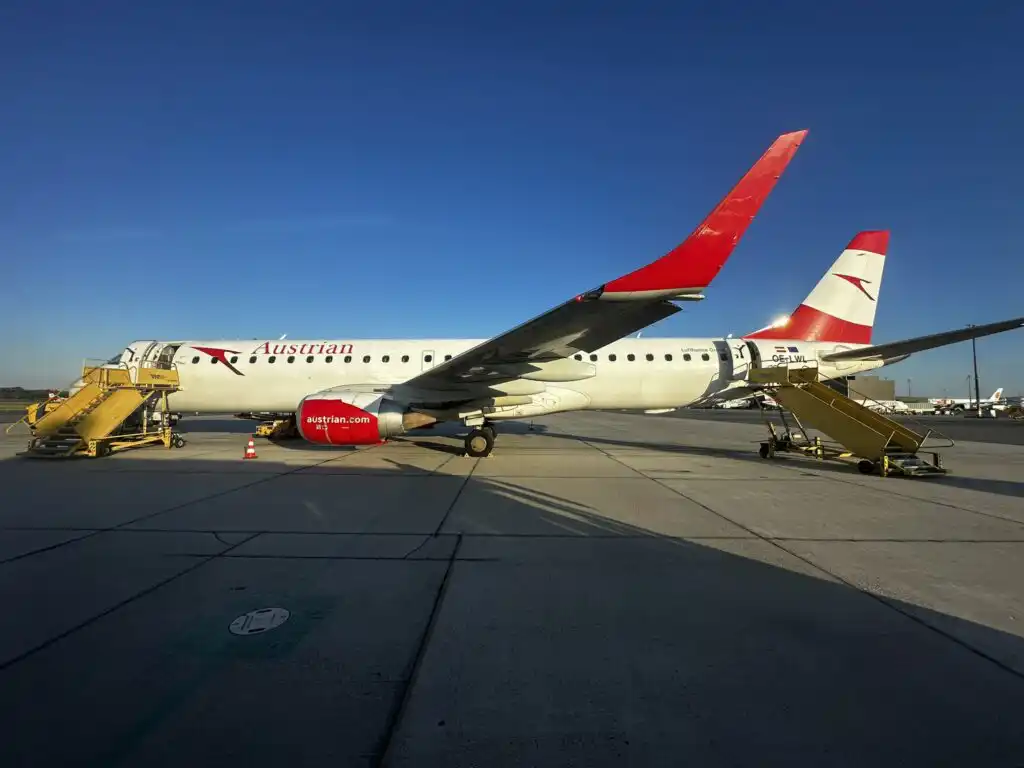
After being informed that check-in services were unavailable overnight, the man left the terminal area. Security camera footage reportedly showed him climbing over a perimeter fence and walking across the airport’s restricted airside area. He eventually reached the parked Austrian Airlines Embraer E190, where a set of stairs had been left positioned near the aircraft.
The aircraft cabin door was reportedly unlocked, allowing him to board the plane without assistance from airport staff. Once inside, he settled into a passenger seat and fell asleep. The fact that he was able to move from the public terminal area onto the active aircraft parking area without immediate detection became the central concern following the incident.
Crew Discovery Triggers Immediate Security Inspection
The sleeping passenger was discovered shortly after 4:00 AM when Austrian Airlines crew members arrived for flight preparation. The man reportedly woke up and asked whether the aircraft had already departed, suggesting that he may not have fully understood his location or the situation.
The aircraft captain immediately requested support from airport security teams. Due to the seriousness of an unknown person being found inside a commercial aircraft, authorities carried out a detailed inspection before allowing passengers to board.
Security personnel reportedly used sniffer dogs as part of the investigation to confirm that the man had not brought any dangerous items, including possible explosive materials, onto the aircraft. The aircraft was cleared after the inspection, allowing the airline to continue the scheduled service.
Flight OS654 eventually departed Košice at 7:36 AM local time, around two hours behind schedule. Tracking data showed that the aircraft arrived at Vienna at 8:18 AM, approximately 1 hour and 58 minutes later than its originally planned arrival time.
Airport Security Concerns After Stowaway Incident
While the flight continued safely, the incident exposed potential weaknesses in overnight airport security procedures. An airport employee reportedly criticized the monitoring process, suggesting that the security cameras and surveillance systems failed to prevent unauthorized access to the aircraft area.
For airports, protecting aircraft on the ground is a critical part of aviation safety. Even when an aircraft is not operating, access control measures must ensure that only authorized personnel can approach parked airplanes. The incident at Košice Airport highlighted how a single security gap can create significant operational disruptions.
Following the event, airport officials confirmed that security procedures had been strengthened. Košice Airport spokesperson Juraj Tóth stated that additional measures had been introduced to improve protection around restricted areas and prevent similar situations in the future.
Impact on Austrian Airlines Operations and Passengers
The delay affected passengers traveling between Košice and Vienna, particularly those relying on connecting flights through the Austrian capital. Although the route itself is relatively short, with the scheduled flight time lasting less than one hour, even a small delay can create difficulties for travelers with onward connections.
Austrian Airlines operates multiple daily services between Košice and Vienna. Flight OS654 is typically operated with the Embraer E190, while another daily service on the route often uses the larger Embraer E195 aircraft.
The incident did not result in injuries or further operational problems, but it demonstrated the importance of strict airport security standards. Commercial aviation depends on multiple layers of protection, from terminal access controls to aircraft inspections and crew procedures.
The unexpected discovery of a stowaway inside an Austrian Airlines aircraft may have caused disruption for passengers, but the crew’s response followed established safety protocols. The aircraft was inspected, cleared, and allowed to continue only after authorities confirmed that the flight was safe to operate.
The case serves as a reminder that aviation security requires constant attention, even during quiet overnight periods when airports appear less active. A parked aircraft remains a sensitive security area, and preventing unauthorized access remains one of the industry’s highest priorities.