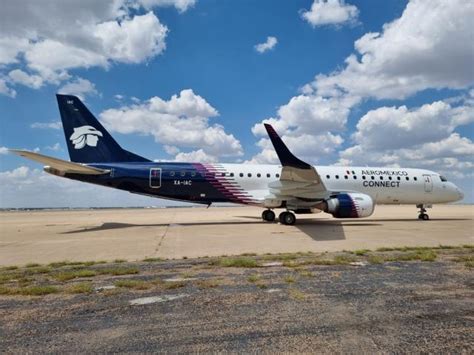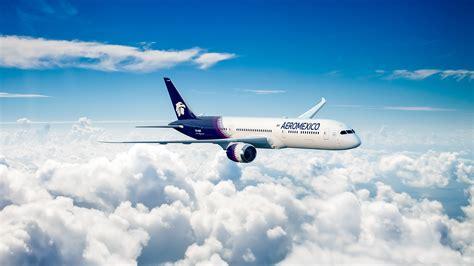
Embraer has announced a groundbreaking initiative that is set to transform the short-haul air travel experience across Latin America. In a strategic partnership with satellite communications leader Viasat, Embraer will equip Aeroméxico’s Embraer E190 fleet with free in-flight Wi-Fi, marking a bold leap forward in digital passenger services. The initiative leverages Viasat’s Ka-band satellite network, renowned for its high-capacity, high-speed internet, to deliver streaming-quality connectivity for passengers at 35,000 feet.
The move positions Aeromexico as a regional pioneer in inflight digital amenities, offering a level of service previously reserved for long-haul or premium-class travel. With this announcement, the airline becomes the first in Latin America to offer ad-supported free messaging across its entire network, a feat that signals not just technological advancement but a redefinition of customer expectations for regional air travel.
Embraer’s Strategic Connectivity Upgrade for E190s
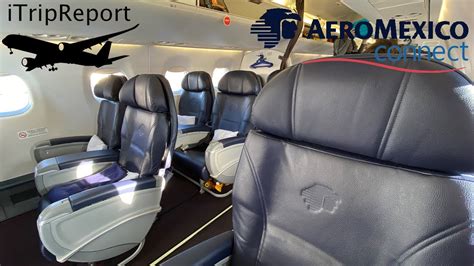
The E190, a workhorse of Aeromexico’s short-haul operations, is about to receive a substantial upgrade that goes far beyond seat configurations or refreshed cabin interiors. According to Carlos Naufel, President and CEO of Embraer Services & Support, the initiative reflects Embraer’s ongoing commitment to enhancing the passenger experience across its product lines.
“Offering connectivity services on Aeromexico’s E-Jets fleet is an important step to provide more comfort to the airline’s customers,” said Naufel, emphasizing that the decision was driven by market demand for seamless digital access in the sky.
This transformation is powered by Viasat’s global Ka-band network, which is engineered to handle intensive bandwidth demands. This means passengers will enjoy video streaming, live sports broadcasts, email access, and real-time social media engagement, all without latency issues or connection drops that once plagued early inflight Wi-Fi solutions.
A Gradual Yet Ambitious Fleet-Wide Rollout
Currently, six E190 aircraft in the Aeromexico fleet are already equipped with the Viasat solution. The retrofitting of the remaining 28 aircraft is underway and is expected to be completed by 2027, bringing the total connected fleet to 34 aircraft. Each installation is an intricate process involving advanced antenna integration, system calibration, and post-installation testing to ensure flawless service delivery.
This phased approach ensures that passenger disruptions are minimized while the airline continues its busy operational schedule. Meanwhile, passengers flying on already retrofitted E190s are being introduced to a new era of connected flying that places Aeromexico among a select group of carriers globally offering free inflight Wi-Fi on regional jets.
Ad-Supported Free Messaging: A Regional First
Perhaps the most disruptive element of Aeromexico’s digital strategy is its commitment to offering ad-supported free messaging services to all passengers, regardless of route or fare class. According to Andres Castañeda, Aeromexico’s Chief Digital and Customer Experience Officer & EVP, this feature cements the airline’s role as a digital trailblazer in Latin American aviation.
“This means our passengers can stay connected wherever they fly, with the option to purchase internet packages,” Castañeda stated, highlighting a tiered digital model that blends complimentary messaging with premium internet plans for streaming and business use.
Free messaging will be accessible via popular apps like WhatsApp, iMessage, and Facebook Messenger, ensuring passengers remain tethered to their digital lives without additional cost. Revenue is generated through non-intrusive advertising, a strategy borrowed from successful freemium models in the tech industry.
Technical Capabilities of the Viasat Ka-band System
The Ka-band operates at frequencies between 26.5 and 40 GHz, providing significantly more bandwidth than older Ku-band systems. This makes it ideal for high-density aircraft cabins, such as those of the E190, where multiple users may be streaming or video conferencing simultaneously.
The core technical advantages of the Ka-band setup include:
- High throughput satellite (HTS) architecture allowing faster speeds and lower latency.
- Spot beam technology that delivers concentrated coverage over specific geographic areas.
- Scalability to handle increasing passenger data consumption over time.
- Seamless switching between satellites, ensuring uninterrupted connectivity on longer regional hops.
By utilizing this infrastructure, Aeromexico guarantees that even its short domestic flights offer a connectivity experience that rivals that of transcontinental long-haul services.
A New Era for Passenger Engagement and Brand Loyalty
Offering free Wi-Fi on short-haul flights isn’t merely a technological feat—it’s a strategic brand differentiator. For Aeromexico, it reflects an understanding that digital amenities have become as essential as seat pitch and onboard catering.
Passenger expectations have shifted dramatically in the post-pandemic travel landscape. Travelers increasingly demand uninterrupted access to work and entertainment platforms, even for flights lasting under two hours. By addressing this demand, Aeromexico strengthens its brand appeal among business travelers, digital nomads, and millennial flyers, who often value connectivity over legacy perks.
Moreover, the data generated through inflight usage patterns opens doors for personalized advertising, targeted service offerings, and deeper CRM integration, creating a feedback loop that allows Aeromexico to fine-tune its services with each interaction.

The Broader Competitive Implications in Latin America
This announcement doesn’t exist in a vacuum. Aeromexico’s decision to equip its short-haul fleet with complimentary Wi-Fi places pressure on regional competitors to step up their digital infrastructure offerings. Carriers such as LATAM, Avianca, and Copa Airlines have invested in connectivity solutions, but few offer the free access model that Aeromexico is now championing.
In many Latin American countries, mobile data access remains expensive or inconsistent, making Aeromexico’s offering particularly attractive. For travelers who frequently fly for business within the region, the ability to work from the skies without incurring extra charges could influence route and airline selection, tipping market share in Aeromexico’s favor.
Looking Ahead: 2027 and Beyond
The full integration of Wi-Fi on all 34 E190 aircraft by 2027 is not just a finishing line—it’s a new starting point. As satellite technologies evolve and user behavior shifts, Aeromexico will have a scalable platform ready to support next-gen services, including:
- Augmented reality safety briefings
- Live chat customer support from seatback portals
- In-flight ecommerce and delivery-to-destination partnerships
The underlying infrastructure allows for such innovations, keeping the airline ahead of digital disruption and technological obsolescence. And with Viasat’s roadmap including future low Earth orbit (LEO) satellite integration, the quality and reach of service is only expected to improve.
Conclusion: Rewriting the Rules of Regional Aviation
Aeromexico’s collaboration with Embraer and Viasat marks a watershed moment for regional aviation in Latin America. By delivering free, high-speed inflight Wi-Fi on its Embraer E190 fleet, the airline is not just ticking a passenger satisfaction box—it’s redefining the expectations of short-haul flying.
The initiative blends cutting-edge satellite technology with a customer-first digital strategy, turning connectivity into a core value proposition rather than a luxury add-on. As more aircraft come online by 2027, Aeromexico is poised to offer an inflight experience that resonates with modern travelers and sets a new bar for competitors across the Americas.