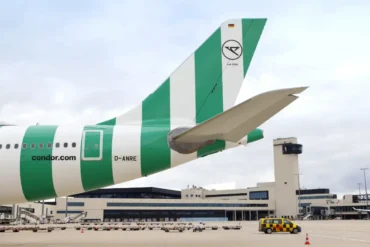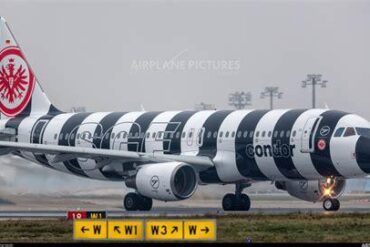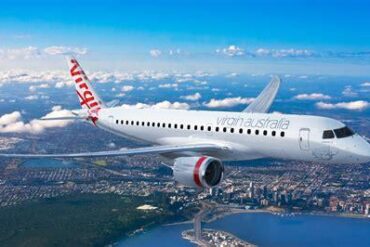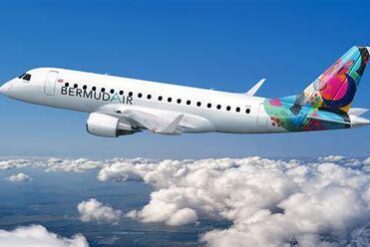
German leisure and long-haul carrier Condor is making an unusual fleet decision this summer by assigning the Embraer E190 to its route between Frankfurt Airport (FRA) and Cairo International Airport (CAI). Beginning on June 26, the airline will operate the nearly 4.5-hour flight using the regional jet, marking one of the longest regularly scheduled E190 services in Europe and highlighting a strategic shift in how the carrier manages capacity across its network.
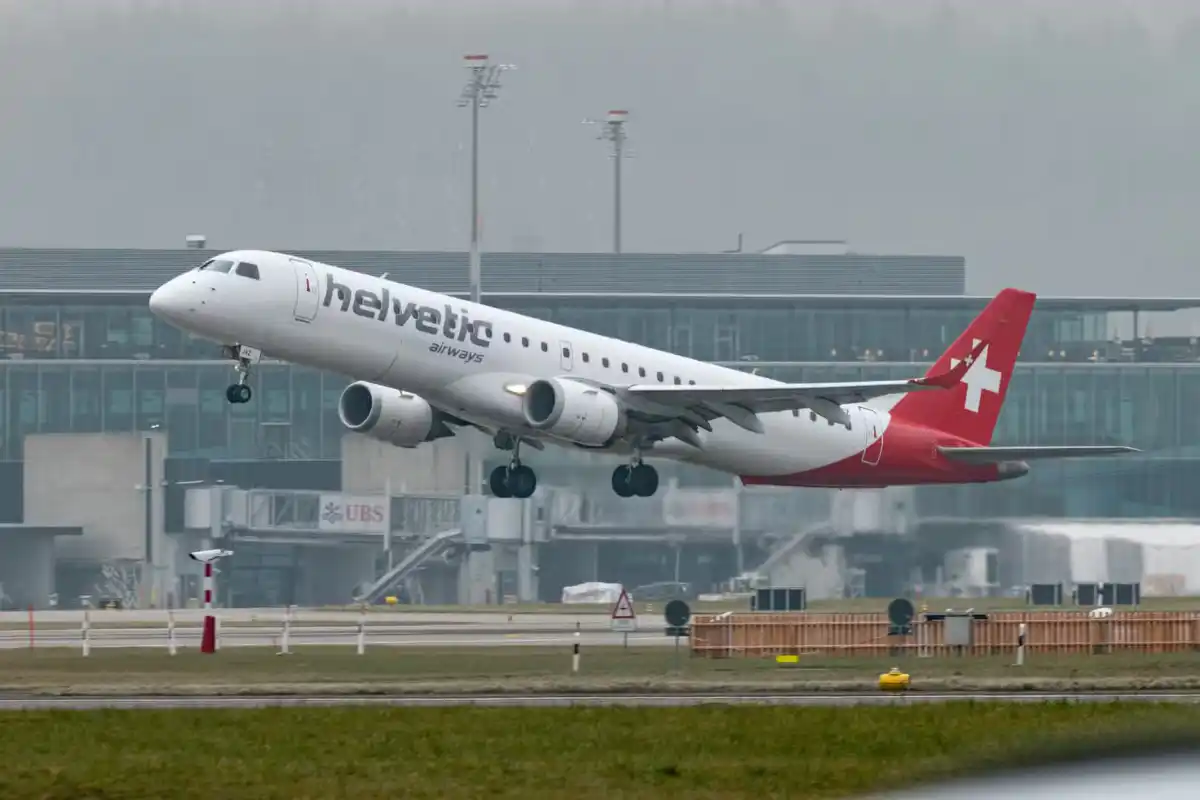
The move comes shortly after Condor introduced the Embraer E190 into its operations through wet-lease agreements with Helvetic Airways and German Airways. Until recently, the airline had never operated E190 aircraft, relying instead on Airbus narrowbody jets and its growing long-haul fleet. The introduction of the regional jet has given Condor additional flexibility at a time when airlines across Europe are carefully balancing demand, operating costs, and fleet availability.
Initially, the Frankfurt–Cairo route was expected to be served by the Airbus A320, a significantly larger aircraft capable of accommodating around 180 passengers. The decision to replace the A320 with the smaller E190 suggests Condor sees advantages in matching aircraft size more closely to market demand while maintaining daily service frequency.
Why Frankfurt–Cairo Is An Unusual Route For The Embraer E190
The Embraer E190 is widely regarded as one of the most successful regional jets ever produced. Airlines typically deploy the aircraft on domestic and short-haul international routes, where its economics are strongest. Most E190 flights last between one and three hours, making Condor’s decision to schedule a four-hour-and-twenty-five-minute sector particularly noteworthy.
Under the published schedule, flight DE4105 departs Frankfurt at 20:00 and arrives in Cairo at 01:05 the following morning. The return flight, DE4104, leaves Cairo at 02:05 and lands back in Frankfurt at 05:30. These overnight timings allow Condor to maximize aircraft utilization while providing convenient connections through its Frankfurt hub.
At approximately 1,815 miles (2,920 kilometers), the route stretches the E190 well beyond the mission profile many travelers associate with regional aircraft. Yet the jet is fully capable of operating sectors of this length, particularly in favorable operating conditions and with carefully managed payload requirements.
Capacity Optimization Drives The Fleet Change
One of the most likely explanations for the aircraft swap is capacity optimization. Airlines continuously adjust aircraft assignments based on booking trends, seasonal demand, and profitability targets. While Cairo remains an important destination, passenger volumes may not justify the use of a larger Airbus A320 on every daily rotation.
By deploying a 112-seat Embraer E190, Condor can reduce operating risk while preserving market presence. A smaller aircraft allows the airline to achieve stronger load factors and potentially improve route economics without reducing service frequency. For passengers, the schedule remains unchanged, while Condor gains greater flexibility in managing seat inventory.
The strategy reflects a broader industry trend in which airlines increasingly favor right-sized aircraft over simply offering maximum capacity. As fuel costs, airport charges, and competitive pressures continue to influence decision-making, matching aircraft size to actual demand has become a critical component of network planning.
One Of Europe’s Longest Scheduled E190 Flights
According to aviation data, the Frankfurt–Cairo route ranks among the longest regular Embraer E190 services in Europe. Only a handful of routes on the continent exceed its distance.
Among the longest examples are TUI fly’s service between Antwerp and Tenerife South and Air Cairo’s route linking Milan Malpensa and Luxor. These flights demonstrate that while uncommon, extended E190 operations can be commercially viable when market conditions align with the aircraft’s capabilities.
For Condor, joining this small group of long-distance E190 operators showcases the versatility of the Embraer platform. Despite being introduced more than two decades ago, the E190 continues to find new applications across both regional and medium-haul networks.
What Passengers Can Expect Onboard
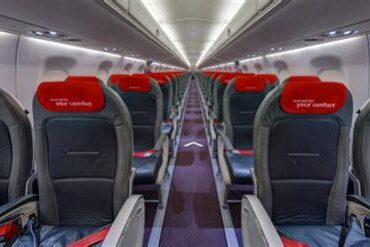
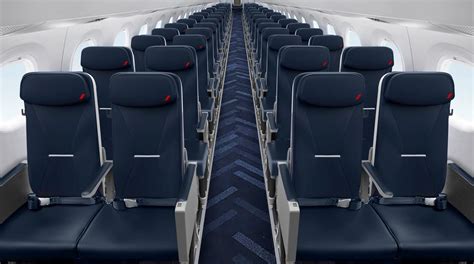
Passengers traveling between Frankfurt and Cairo aboard the E190 may actually find several comfort advantages compared with larger narrowbody aircraft. The Helvetic Airways-operated jets feature a 2-2 seating layout, eliminating middle seats entirely.
Every traveler receives either a window or aisle seat, a feature many passengers prefer on flights lasting several hours. The aircraft offers approximately 31 inches of seat pitch, providing a comfortable environment for medium-haul journeys.
Condor is also utilizing E190 aircraft from German Airways. These jets accommodate around 100 passengers, offering an even lower-density layout and, in some configurations, the possibility of a dedicated business-class section near the front of the cabin.
The relatively small cabin creates a more intimate travel experience, often resulting in quicker boarding and deplaning processes. For travelers accustomed to crowded narrowbody aircraft, the E190’s cabin design can feel surprisingly spacious despite the aircraft’s smaller dimensions.
Strengthening Condor’s Frankfurt Hub Strategy
Condor Chief Executive Officer Peter Gerber has emphasized Cairo’s economic and cultural significance within the airline’s expanding network. Beyond local demand between Germany and Egypt, the route plays an important role in feeding passengers through Frankfurt, where Condor continues to strengthen its hub operations.
Following the end of its feeder relationship with Lufthansa, Condor has been developing alternative methods to support connectivity. The wet-leased E190 fleet provides an immediate solution, enabling the airline to serve thinner routes efficiently while maintaining valuable passenger flows into its long-haul network.
The Frankfurt–Cairo service illustrates how modern airlines increasingly prioritize flexibility over aircraft size. While a regional jet operating an intercontinental flight may appear unusual, Condor’s decision reflects a carefully calculated approach designed to balance demand, efficiency, and network growth. As a result, one of Europe’s longest E190 routes is set to become a distinctive feature of the airline’s summer schedule.