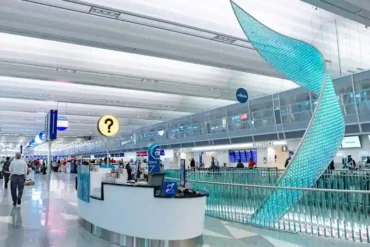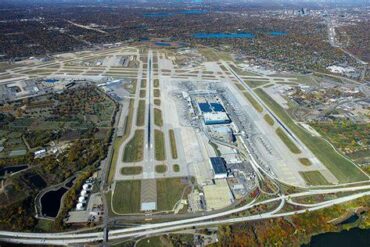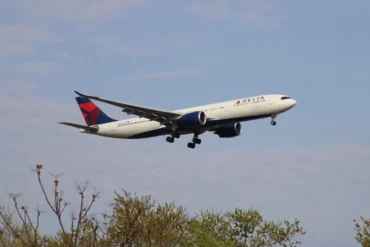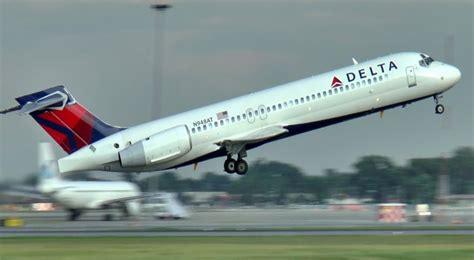
A Delta Air Lines passenger is facing serious federal charges after allegedly assaulting a flight attendant during the boarding process at Minneapolis–St. Paul International Airport (MSP), marking yet another troubling incident in the increasingly volatile environment of commercial air travel. The incident occurred on Flight 1215, scheduled to depart MSP for Anchorage, Alaska, when a male passenger reportedly became combative, leading to law enforcement intervention and a disruption of the flight’s departure timeline.
Incident Unfolds at Boarding Gate in Minneapolis
According to official reports, the suspect—identified as 27-year-old Michael Thomas De La Cruz—initiated a verbal altercation with crew members while boarding the aircraft. Witnesses said De La Cruz appeared intoxicated, displaying erratic behavior before boarding. As passengers settled into their seats, De La Cruz allegedly refused to comply with safety instructions, creating a scene that escalated rapidly.
Authorities say the situation intensified when De La Cruz physically assaulted a flight attendant, striking them in the chest during an attempt to remove him from the plane due to non-compliance. The blow caused the flight attendant to stumble back and prompted immediate intervention from other crew members and airport security. The flight attendant sustained minor injuries and was later treated by airport medical staff.
Immediate Law Enforcement Response and Arrest
The Airport Police Department at MSP responded promptly to the onboard disturbance. Officers boarded the aircraft and escorted De La Cruz off the plane. He was reportedly combative during the arrest, resisting officers and yelling profanities as he was taken into custody. Witnesses reported hearing him threaten both crew members and fellow passengers.
According to the criminal complaint filed by the U.S. Attorney’s Office for the District of Minnesota, De La Cruz now faces charges under Title 49 of the U.S. Code, which governs interference with flight crew members and attendants. If convicted, he could face a maximum penalty of 20 years in federal prison, along with possible fines.
FAA’s Zero Tolerance Policy on Passenger Misconduct
The Federal Aviation Administration (FAA) has reiterated its zero-tolerance policy toward disruptive and violent behavior aboard commercial flights. In light of increased reports of unruly passengers, the FAA continues to enforce civil penalties up to $37,000 per violation. De La Cruz’s case adds to a growing list of incidents where passengers have been criminally charged for inflight disturbances.
Since 2021, the FAA has received over 8,000 reports of unruly passenger behavior, with nearly 25% involving physical assault. In response, airlines have stepped up crew training protocols, and the Department of Justice has collaborated with the FAA to ensure that offenders face the full weight of the law.
Eyewitness Accounts Detail Onboard Chaos
Fellow passengers provided chilling accounts of the incident. One traveler seated near the rear of the aircraft described the scene as “terrifying and chaotic,” noting that families with small children were visibly shaken. “We could hear yelling and then saw the flight attendant stumbling back. No one knew what was going to happen next,” the witness said.
Another passenger recounted that crew members handled the situation with “remarkable professionalism and restraint,” attempting to de-escalate the conflict verbally before resorting to physical removal. Despite the disruption, Delta rescheduled the flight later that evening after thoroughly inspecting the aircraft and rotating staff to ensure a secure and safe journey.
Delta Air Lines Issues Public Statement
In response to the incident, Delta Air Lines issued a formal statement expressing gratitude to the crew for their swift and professional response:
“Delta has zero tolerance for any behavior that compromises the safety of our customers and crew. We are fully cooperating with law enforcement in their investigation and commend our flight crew for their quick action to protect everyone onboard.”
The airline has also reaffirmed its commitment to maintaining strict safety standards and is offering full support to the affected flight attendant. Delta has declined to release further details about the incident, citing an active federal investigation.
Assaults on Flight Crews a Growing Threat
The alleged assault underscores a broader trend of increasing hostility towards airline staff, particularly flight attendants who are tasked with maintaining order in high-stress environments. According to the Association of Flight Attendants-CWA (AFA-CWA), 2024 saw a 15% uptick in reported assaults compared to the previous year.
Flight attendants are often on the frontline of enforcement for mask mandates, seatbelt policies, carry-on limits, and alcohol service restrictions—each of which can become flashpoints for altercations. The AFA-CWA has called for stronger legal protections, urging Congress to pass legislation that classifies assaulting a flight attendant as a felony offense, with enhanced penalties and a nationwide ban on offenders from boarding future flights.
Legal Proceedings and Federal Prosecution Timeline
De La Cruz made his initial court appearance in U.S. District Court in Minneapolis and is currently being held without bail pending a detention hearing. The prosecution argued that he poses a significant flight risk and a potential danger to the public, citing prior arrests involving alcohol-related offenses and disorderly conduct.
Legal experts note that the severity of the charge—interference with a flight crew—is not taken lightly in the federal system. Prosecutors are expected to pursue the case aggressively, especially given the high visibility of the airline industry’s recent safety concerns.
The outcome of the case could set a precedent, signaling how far the federal government is willing to go to protect airline employees from threats and violence. If convicted, De La Cruz could also face a lifetime ban from multiple carriers, in addition to time in a federal correctional facility.
Broader Implications for Airline Security Policies
This incident at MSP reflects growing concerns about airport security and airline policy enforcement. Industry analysts argue that more robust screening of passengers who display signs of intoxication or erratic behavior before boarding may be needed. Airports have ramped up training for gate agents and security personnel, but challenges persist in identifying and mitigating risks in real time.
Additionally, some aviation policy experts are advocating for the creation of a centralized “no-fly” registry for passengers found guilty of misconduct. Currently, airlines operate their own internal watchlists, which are not always shared between carriers. A national database would help prevent repeat offenders from endangering flights across different airlines.
The Human Cost of Mid-Air Violence
Beyond the legal and operational ramifications, incidents like this take a profound emotional toll on flight attendants and passengers alike. The flight attendant involved in the MSP assault has not been named, but sources say they are recovering from physical and emotional trauma.
Flight crews have begun to advocate more openly for mental health support, counseling services, and hazard pay in the wake of onboard violence. Many describe a culture of anxiety and burnout, made worse by the unpredictability of such altercations.
The AFA-CWA and other unions are pushing for long-term solutions, including de-escalation training, faster legal recourse, and greater public awareness about the responsibilities of passengers aboard commercial flights.
Conclusion: A Wake-Up Call for U.S. Aviation
The assault on a Delta Air Lines flight attendant at Minneapolis–St. Paul Airport is a stark reminder of the escalating risks faced by airline crews and the urgent need for systemic change. As the U.S. aviation industry navigates post-pandemic recovery, ensuring the safety of both passengers and personnel must remain a top priority.
This incident may serve as a pivotal case in shaping policy, prosecution standards, and passenger accountability. Until then, flight attendants continue to face the skies with courage, professionalism, and the unwavering hope that they’ll be protected not just by policy—but by law.