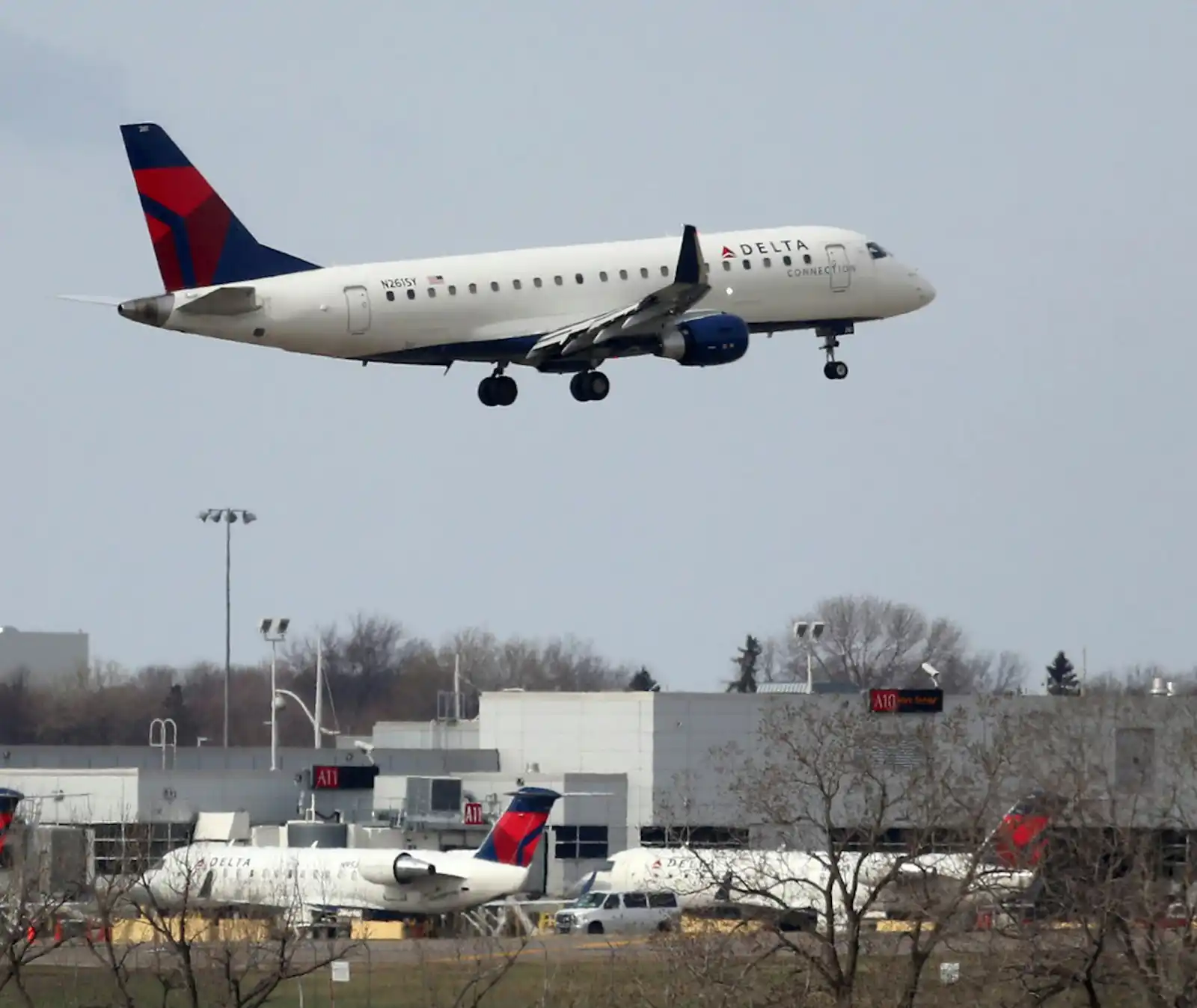
Minnie Holmes, a 72-year-old grandmother from Minneapolis, has filed a federal lawsuit against Delta Air Lines following a shocking midair assault on an October flight from San Juan, Puerto Rico, to Atlanta, Georgia. Holmes alleges that Delta flight attendants knowingly overserved alcohol to two visibly intoxicated passengers—an act she claims directly enabled a violent incident that left her physically and emotionally scarred.
The lawsuit, filed in U.S. District Court, paints a troubling picture of airline negligence and a broader culture of inadequate enforcement of federal alcohol service laws aboard commercial aircraft.
A Vacation Turned Violent
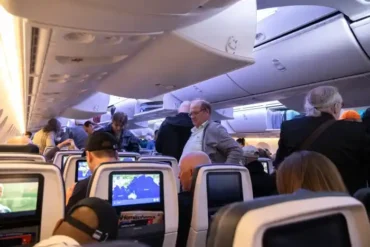
Holmes had embarked on a trip to Puerto Rico to grieve the recent loss of her son, hoping the change of scenery might bring some solace. However, her journey home would mark the beginning of a new trauma. Seated behind a disruptive couple, Holmes and her daughter became the targets of aggressive behavior that allegedly escalated into outright violence.
According to the legal complaint, the man and woman seated in front of them were visibly drunk, shouting, swearing, and disturbing other passengers. Holmes’ daughter politely asked the woman to adjust her reclined seat, but the situation quickly deteriorated. When a Delta flight attendant intervened, she told the woman that she had the right to recline her seat and then walked away, failing to de-escalate the conflict or recognize the passengers’ growing intoxication.
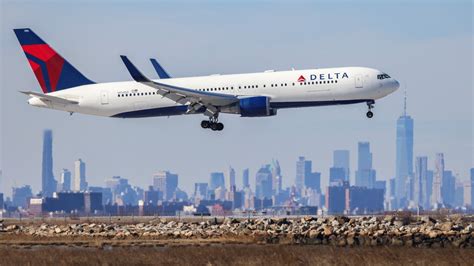
Despite clear behavioral warning signs, the lawsuit claims that Delta staff continued serving the pair alcohol. Holmes asserts that their actions not only ignored FAA regulations, which prohibit serving alcohol to visibly drunk passengers, but also created a foreseeable and avoidable risk.
The worst came later in the flight when, without warning, the man in front of Holmes turned around and punched her squarely in the chest. She was reportedly reaching for an item while her daughter searched through a carry-on bag when the attack occurred. The force of the blow stunned Holmes, already emotionally fragile from the loss of her child.
Flight Crew’s Response and Aftermath
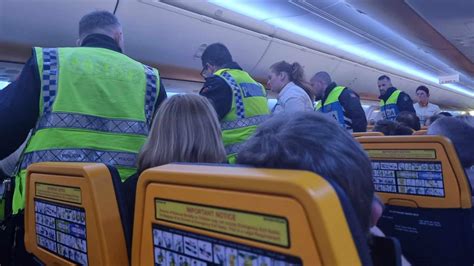
Four Delta employees stepped in following the assault, relocating the intoxicated couple to different seats. However, the measures taken came far too late, and all four parties—including Holmes and her daughter—were escorted from the plane by police upon landing. Law enforcement was waiting at the gate in Atlanta, highlighting the seriousness of the altercation.
The lawsuit refrains from identifying the names of the drunken passengers, but it identifies the flight as DL1946, a regular Delta route operating between Atlanta and San Juan. Holmes’ legal team emphasizes that Delta’s negligence was not an isolated incident but part of a larger pattern of overserving that has endangered multiple passengers in recent years.
A Pattern of Overservice and Negligence
To support the argument of a systemic issue, Holmes’ lawsuit references four other legal cases involving Delta and intoxicated passengers engaging in assaultive or sexual misconduct. One of the most egregious examples cited occurred in July 2023, when Delta was sued for allegedly serving ten vodkas and additional wine to a man who then made obscene gestures toward and touched a 16-year-old girl seated next to him. He reportedly vomited loudly in the bathroom, only to be served more alcohol afterward.
Other cited incidents include male passengers sexually assaulting underage girls and women during international and domestic flights. In one case, a 69-year-old man was convicted of felony assault after repeatedly touching a 15-year-old girl’s thigh. In each instance, the lawsuits allege a disturbing disregard for federal laws and Delta’s own stated policies.
Federal Law and Airline Policy Failures
Under Federal Aviation Administration (FAA) regulations, flight attendants are prohibited from serving alcohol to any passenger who appears intoxicated. Delta’s own internal policy, cited in public statements and training protocols, emphasizes a “zero tolerance” stance toward disruptive or dangerous behavior. Yet, Holmes’ legal team argues that the airline’s failure to act in line with these policies has become habitual, especially when it comes to inflight alcohol consumption.
Delta has declined to comment on the lawsuit, issuing only a brief statement emphasizing their commitment to passenger safety and zero tolerance for unlawful conduct. But for Holmes, such statements ring hollow.
Emotional Toll on a Grieving Mother
What should have been a healing journey became a deeply traumatic experience for Holmes. Having recently lost her son, the violence and humiliation she faced onboard Flight DL1946 added emotional wounds to physical ones. In a public statement, Holmes explained her decision to file the lawsuit: “The traumatic event on the Delta flight home made things worse. I decided to come forward because I believe Delta needs to do better to protect passengers like me.”
Her attorney, Naomi Martin, echoed this sentiment, saying, “We believe Delta failed to take basic steps to prevent this from happening and created a situation that put others at risk.”
The legal filing seeks unspecified damages for the emotional distress and physical harm Holmes suffered. But more than financial compensation, the suit appears designed to push Delta and the broader airline industry to confront its lax enforcement of passenger alcohol consumption laws.
A Broader Call for Reform in Air Travel Safety
This incident is not just a cautionary tale about overserving alcohol in flight—it highlights a more pervasive issue within the airline industry: the inconsistent application of safety policies designed to protect vulnerable passengers. Older individuals, minors, and passengers with disabilities are especially at risk when airlines fail to take proactive steps to prevent intoxicated, disruptive behavior.
Flight crews are often overburdened and may not receive adequate training in identifying intoxicated behavior, especially when dealing with language barriers, packed cabins, and split attention across hundreds of passengers. Nevertheless, the duty of care remains unequivocal.
In Holmes’ case, the events reflect a critical breakdown in situational awareness and policy enforcement, beginning with the first drink served to already-rowdy passengers and culminating in a violent assault on a senior citizen. The question her lawsuit poses to both Delta and the traveling public is whether convenience and profit have trumped safety and responsibility.
Legal Implications and Industry Repercussions
Should Holmes prevail in court, the implications for Delta and the aviation industry at large could be significant. Successful litigation may trigger revisions to inflight alcohol policies, enhance crew training procedures, and potentially limit the number of drinks passengers can consume during flights. Similar cases have already prompted quiet but meaningful shifts in other sectors of travel, particularly on international carriers facing stricter compliance standards.
The airline may also face renewed scrutiny from federal regulators, who could be compelled to reexamine current enforcement mechanisms and penalties surrounding alcohol service. With increased public awareness and a growing record of legal claims, the pressure is mounting for systemic reform.
For now, Minnie Holmes remains the face of that demand. What began as a personal tragedy and an attempt at emotional healing has become a powerful challenge to an industry that too often dismisses or minimizes passenger safety in the name of operational efficiency.
Her case forces the question: How many more passengers need to be assaulted, harassed, or traumatized before airlines take meaningful action?