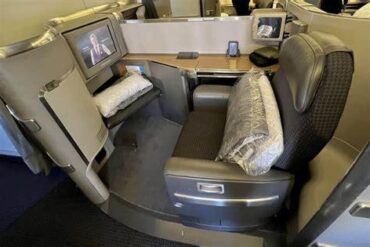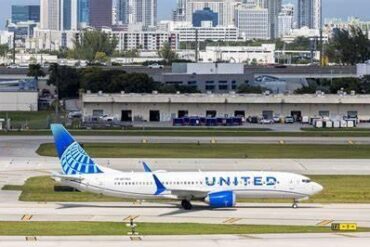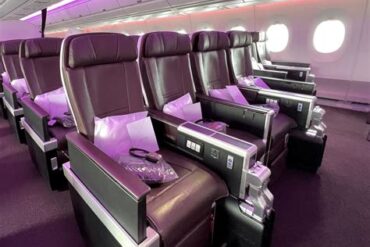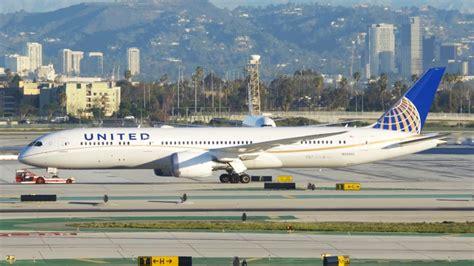
The quiet of Denver International Airport’s premium cabin section was shattered last week when a drunk United Airlines business class passenger triggered an unexpected scene ahead of a transatlantic flight to London Heathrow. The incident, which could have spiraled into a disruptive episode impacting hundreds, instead ended in a surprising twist: the intoxicated passenger chose to deplane voluntarily, sparing the flight from delays, legal entanglements, and possible escalation.
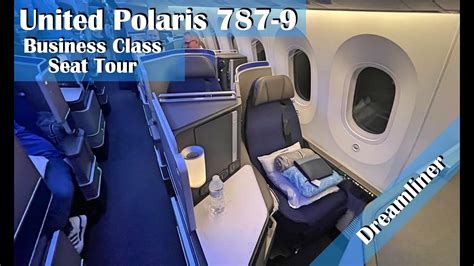
The flight in question, a United Airlines Boeing 787-9 Dreamliner preparing for its overnight journey to the United Kingdom, had just begun boarding business class passengers when the disruption unfolded. Witnesses reported that the man, a self-declared 2.5 million miler and long-standing loyalist of United Airlines, boarded the aircraft visibly intoxicated. He wasted no time in demanding immediate alcohol service, asserting that his elite status entitled him to pre-departure drinks and alleging that others had already been served.
His entitlement-laced tirade grew louder as flight attendants attempted to de-escalate the situation by explaining FAA regulations prohibiting alcohol service before pushback in many jurisdictions. Despite the crew’s professional efforts, the man’s frustration boiled over, and he berated the staff with references to his frequent flyer credentials. The cabin fell silent as other passengers watched the scene unfold with growing discomfort.
The Voluntary Exit That Prevented Greater Chaos
Unlike numerous cases where disruptive passengers must be forcibly removed—often resulting in flight delays, police intervention, and permanent bans—this particular event took a different path. After a tense standoff, the passenger, still ranting about his treatment and vowing to sue United Airlines, chose to gather his belongings and disembark of his own volition. Flight crew and ground staff watched in relief as the man exited, an outcome that avoided paperwork, legal consequences, and delays for the remaining passengers.
Observers suggested that the passenger’s long tenure as a frequent flyer might have provided him with enough awareness of airline policy to recognize that voluntary deplaning would spare him immediate repercussions. His departure allowed United’s crew to proceed with final checks and pushback without the need to offload luggage or deal with law enforcement.
A Reflection of Growing Industry Challenges
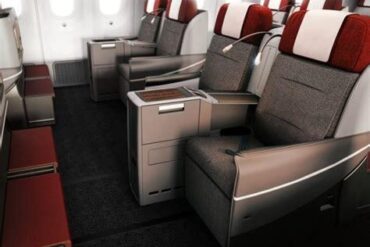
This incident highlights a troubling trend plaguing airlines globally: intoxicated passengers causing mid-journey disruptions, often in premium cabins where expectations of service are highest. The business class cabin, typically a sanctuary for rest and productivity, is increasingly the setting for such alcohol-fueled confrontations.
The anonymous passenger’s prioritization of alcohol over a seamless transatlantic journey struck fellow travelers as both baffling and tragic. As one observer put it, the man was “so focused on his drink that he threw away what should have been a comfortable, restful flight across the Atlantic.” That this occurred on a high-profile route between two major global hubs only underscores the reputational and operational risks airlines face.
Lessons for Airlines and Frequent Flyers Alike
While the passenger’s actions prevented a more disruptive scene, the episode still serves as a cautionary tale for both airlines and their most loyal customers. For carriers like United Airlines, it is a reminder of the delicate balance between accommodating elite passengers and upholding safety and regulatory standards. United’s crew handled the situation with measured professionalism, ensuring safety and minimizing disruption.
For frequent flyers, the story underscores that no level of loyalty or status can override rules designed to protect all passengers. Although this individual left the plane on his own and avoided immediate sanctions, his threats of lawsuits and promises never to fly United again rang hollow to many familiar with the value of elite status and global connectivity.
What Could Have Happened: The Alternative Scenario
Had the man refused to leave voluntarily, standard airline protocols would have come into play. The crew would have been compelled to notify airport security and possibly local law enforcement. This would have resulted in:
- A delay in departure, potentially pushing the flight beyond its scheduled departure window and causing cascading delays for connecting passengers.
- Mandatory baggage removal, as airlines are not permitted to carry unaccompanied luggage on passenger flights.
- Possible criminal charges for disruptive behavior onboard.
- A near-certain ban from United Airlines, ending his 2.5 million mile loyalty streak.
By leaving of his own accord, the passenger avoided these outcomes, though the damage to his personal reputation among fellow travelers and crew was likely done.
A Broader Sobering Reminder
This episode stands as a stark reminder of the increasing tensions between personal entitlement and collective responsibility in air travel. Premium cabins may promise enhanced comfort and service, but they do not exempt passengers from rules designed to ensure the safety and dignity of all onboard. The man’s dramatic exit was, perhaps, the best possible outcome for all involved—an alternative to forced removal that kept the flight on schedule and passengers spared of additional stress.
As air travel continues to rebound and premium cabins once again fill with business travelers and holidaymakers, incidents like this are a call to action for airlines. Enhanced training for crews, clearer pre-boarding communications about alcohol policies, and perhaps more robust lounge monitoring might help mitigate future disruptions.
The incident will no doubt be analyzed internally at United Airlines, not only as a successful de-escalation but also as a teachable moment about balancing customer service with firm adherence to critical safety protocols. While the drunk passenger’s name may remain unknown, the lesson his actions imparted will echo within aviation circles for some time to come.