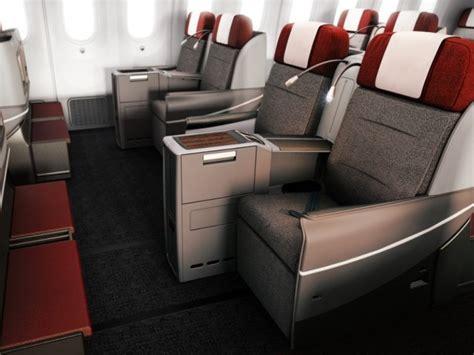
The frustration begins the moment a paid Business / Premium Business ticket stops behaving like one. A traveler books through Iberia, sees the premium cabin confirmed for the long-haul leg, then contacts LATAM—the operating carrier—only to be told there is “no business cabin” on that flight. Iberia refuses a free rebooking and asks for more money. The situation feels like a bait-and-switch, yet the truth is more technical, more bureaucratic, and far more revealing about how airline codeshares, fare classes, and seat maps actually work.
Airline partnerships are built on shared inventory and shared trust, but their reservation systems do not always speak the same dialect. When Iberia sells a LATAM-operated flight, it relies on booking class codes and cabin definitions that may display differently once the ticket lands inside LATAM’s system. What looks like a downgrade is often a display mismatch, not a contractual failure. The distinction matters, because passenger rights hinge on it.
By the time customer service scripts collide, travelers are left juggling screenshots, fare codes, and conflicting answers. The instinct is to assume wrongdoing. The reality, however, points to a familiar villain: inconsistent data propagation between global distribution systems and airline-specific interfaces.
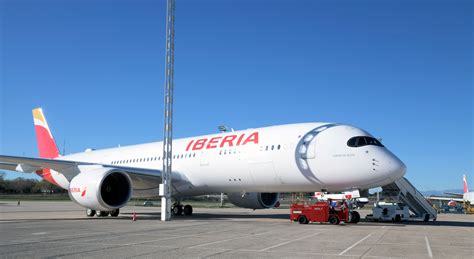
Understanding LATAM’s Long-Haul Cabin Reality on the Boeing 787
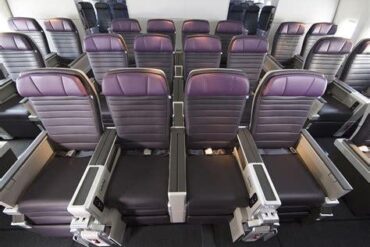
LATAM’s Boeing 787 fleet operates with two cabins only on long-haul routes: Economy and Business. There is no true Premium Economy product on these aircraft. This matters because LATAM uses the word “Premium” in a very different context on short-haul Airbus A319 and A320 flights, where it refers to economy seats with extra legroom and a blocked middle seat. That short-haul branding has nothing to do with intercontinental service.
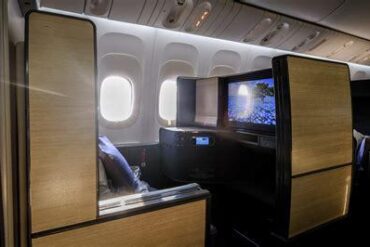
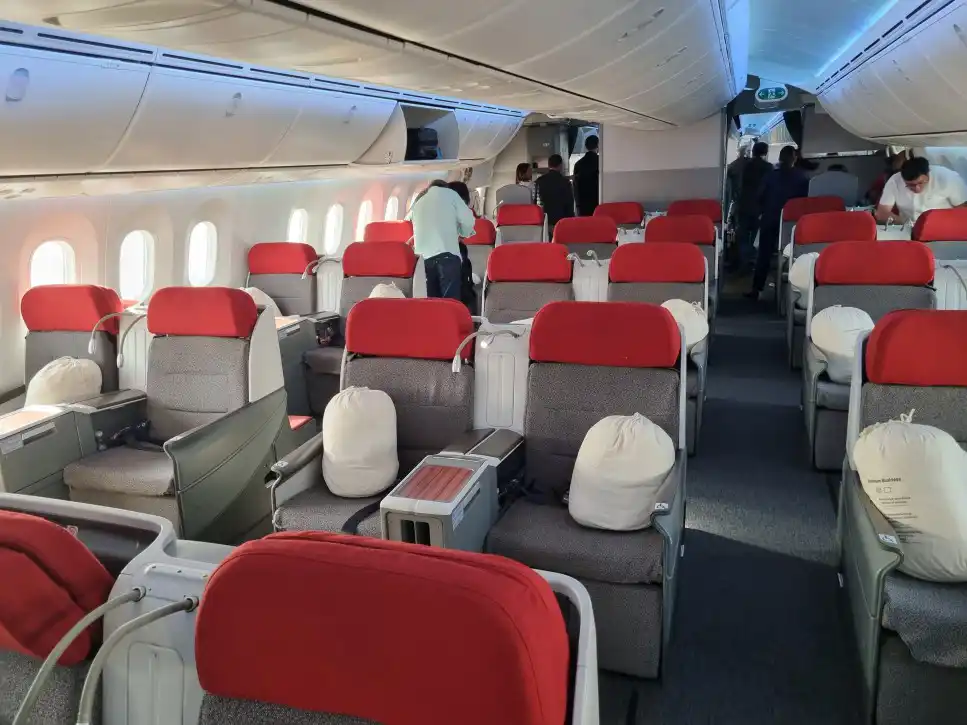
On routes like Lima–Madrid (LA2484), LATAM deploys 787-8 or 787-9 aircraft with lie-flat Business Class seats. Seat maps typically show a 2-2-2 configuration, which can visually resemble Premium Economy to untrained eyes. The illusion deepens when a website labels the cabin as “Premium,” even though the underlying Reservation Booking Designators (RBDs)—codes like J, C, D, I, Z—are unmistakably Business Class.
This is where confusion metastasizes. A call center agent sees “Premium,” associates it with short-haul LATAM+, and incorrectly declares there is no business cabin. The system is wrong, not the seat.
Why Iberia Refuses Free Rebooking—and Why That Matters Legally
From Iberia’s perspective, the contract of carriage has been fulfilled. The ticket shows Business Class on the Lima–Madrid segment. The operating aircraft offers a Business cabin. The fare class confirms it. There is no involuntary downgrade, no equipment swap, and no cabin removal. Under those conditions, Iberia has no obligation to rebook for free or issue compensation.
This is not indifference; it is precedent. Airlines are bound by what is ticketed, not by how another airline’s website labels a seat map. Unless LATAM actually reassigns the passenger to Economy, Iberia’s position is defensible.
The emotional punch comes from expectation mismatch. The passenger expects Iberia to intervene because Iberia sold the ticket. Contractually, however, Iberia can point to the operating carrier’s cabin existence and the fare basis as proof that nothing has changed.
The Seat Map Trap: When Visuals Lie
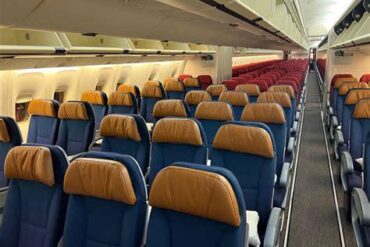
Seat maps are persuasion tools, not legal documents. LATAM’s long-haul Business cabin uses a layout that lacks the visual drama of modern 1-2-1 suites. Six seats across can look suspiciously like Premium Economy, especially to travelers accustomed to newer designs.
The key diagnostic is simple but often overlooked: row count and recline type. Business Class rows are fewer, seats recline to 180 degrees, and footrests or leg wells are present. Premium Economy does not do this. If the map shows fewer rows with substantial pitch and recline icons, the cabin is Business—no matter what the label says.
Experienced flyers verify through tools like ExpertFlyer or Aerolopa, which read the aircraft configuration directly from operational data rather than marketing overlays.
Mixed Itineraries and the Illusion of a Partial Downgrade
Codeshare itineraries often stitch together multiple cabins. A Cusco–Lima leg might be sold as “Premium” on a narrowbody, the Lima–Madrid leg as Business on a 787, and a Madrid–Dublin hop in Economy. When these segments display side by side, the human brain assumes consistency. Airlines do not promise that.
This is not deception; it is fare construction. The long-haul segment carries the premium value. Short-haul feeders rarely do. Problems arise when customer service agents flatten the nuance and declare the entire journey mis-sold.
EU261 and Why It Does Not Apply Here
Regulation EU261 protects passengers arriving in the EU only when the operating carrier is a Community airline. LATAM is not. The fact that Iberia sold the ticket does not trigger EU261 protections for a LATAM-operated flight arriving in Madrid. Jurisdiction follows the aircraft operator, not the ticketing airline.
This detail extinguishes a common hope: compensation claims based on European passenger rights. In this scenario, the regulation simply does not bite.
What You Can Do—Practically and Effectively
The most effective move is not escalation, but verification. Confirm the fare class per segment on the e-ticket, not the website. Look for Business RBDs. Check the aircraft type. Compare seat pitch and recline specifications. Armed with that data, call LATAM again and ask for seat assignment, not cabin confirmation. The language matters.
If LATAM’s system still mis-displays the cabin, request manual seat selection. This resolves most cases without cost or confrontation. Paying for rebooking only makes sense if the fare class genuinely differs from Business, which is rare on this route.
The Larger Lesson: Trust the Code, Not the Label
Air travel is a choreography of databases. Words like “Premium” and “Business” are marketing gloss layered atop alphanumeric truth. When conflict arises, airlines follow the code. Travelers should too.
The calm realization is this: when a 787 flies Lima to Madrid under LATAM colors, Business Class exists, even if a screen says otherwise. Iberia’s refusal is not obstinance; it is adherence to the data that governs global aviation. Once that becomes clear, the problem shifts from outrage to resolution—and the seat, more often than not, reclines fully flat, exactly as paid for.