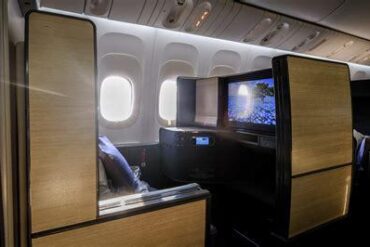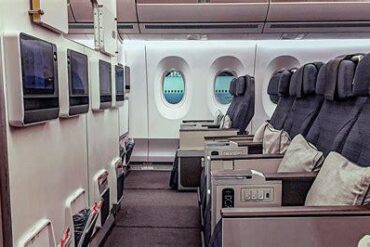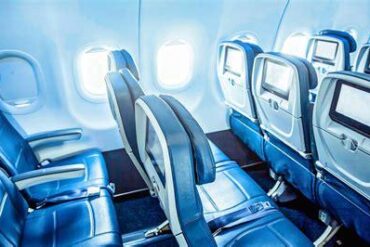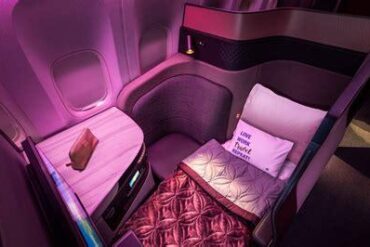
The evolution of premium economy has quietly rewritten the rules of long-haul travel. Once considered a simple upgrade from economy, it has transformed into a carefully curated experience designed for travelers who want business-class comfort without business-class pricing. Yet, in a surprising twist, the world’s most comfortable premium economy seat does not belong to the airline offering the most space.
Instead, comfort has become a multidimensional concept—one where materials, service, dining, and cabin ambiance matter just as much, if not more, than legroom alone. This shift has reshaped airline competition and redefined what passengers truly value at 35,000 feet.
The Premium Economy Boom: A Market Redefined by Experience
Premium economy has emerged as the aviation industry’s most dynamic cabin class, filling the gap between economy and business with remarkable precision. Airlines are no longer simply adding inches to seat pitch; they are crafting an experience-driven product that appeals to both leisure travelers seeking indulgence and business travelers managing budgets.
This transformation is fueled by a simple realization: passengers are willing to pay more for comfort that feels meaningful, not just measurable. Seat width, cushioning, recline mechanics, and privacy features have become just as important as raw space.
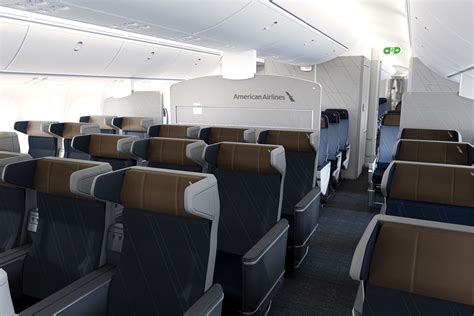
The result is a competitive landscape where airlines differentiate themselves through subtle yet impactful enhancements—ergonomic design, personalized service, and refined onboard offerings that elevate the journey beyond transportation.
Japan Airlines: The Undisputed Leader in Legroom
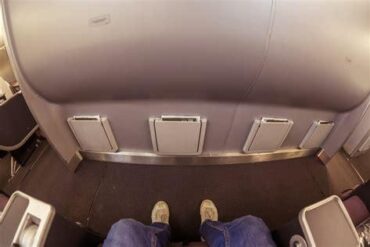
If legroom alone defined comfort, Japan Airlines would dominate without question. Its premium economy product boasts an impressive 42-inch seat pitch, setting the industry benchmark.
This generous spacing creates a noticeable difference the moment you sit down. The cabin feels open, breathable, and far removed from the constraints of standard economy. Combined with seat widths ranging from 19 to 19.5 inches, the experience offers a level of physical freedom rarely matched.
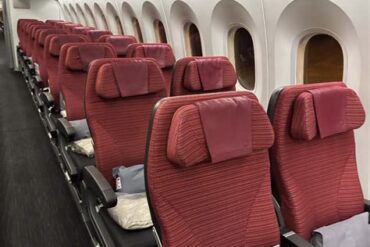
Beyond space, Japan Airlines integrates thoughtful design elements that enhance privacy and usability. Sliding shell seats ensure that reclining does not intrude on the passenger behind, while adjustable privacy dividers create a more personal environment—an often overlooked but deeply valued feature on long-haul flights.
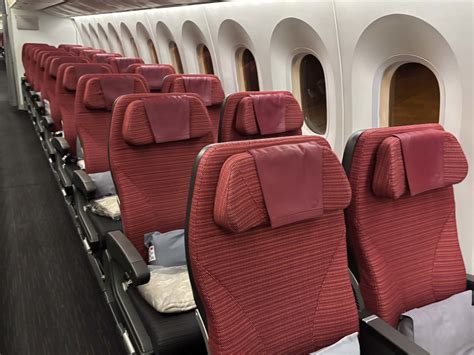
The layout—2-4-2 on larger aircraft and 2-3-2 on the Boeing 787—balances accessibility with density, ensuring that passengers enjoy both comfort and convenience. Yet, despite these advantages, Japan Airlines does not hold the top spot for overall comfort.
Why More Space Doesn’t Guarantee More Comfort
The assumption that more legroom equals better comfort is intuitive—but increasingly outdated. Modern premium economy cabins reveal a more nuanced reality.
Comfort is not just about how far your legs can stretch; it’s about how your body feels over time. Seat cushioning, lumbar support, recline mechanics, and even the angle of the headrest all play critical roles in reducing fatigue during long-haul flights.
Airlines that excel in these areas create an experience where passengers arrive feeling rested rather than merely accommodated. This is where the industry’s true leaders distinguish themselves—not by maximizing dimensions, but by optimizing human-centered design.
Emirates: The Gold Standard in Premium Economy Comfort
At the top of the comfort hierarchy sits Emirates, a carrier that proves less legroom can still deliver a superior experience.
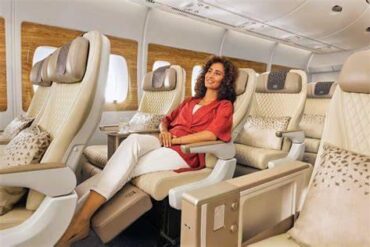
With a 40-inch seat pitch—two inches less than Japan Airlines—Emirates focuses on quality over quantity. Its seats are upholstered in luxurious cream-colored leather, offering a tactile richness that immediately signals a premium product.
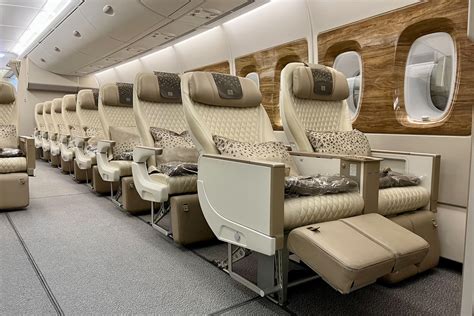
Every element of the seat is engineered for comfort. Adjustable headrests cradle the neck, while integrated leg and footrests support natural posture during rest. A plush lumbar cushion provides targeted support, addressing one of the most common sources of discomfort on long flights.
The 13.3-inch high-definition entertainment screen enhances immersion, while thoughtfully positioned charging ports ensure uninterrupted connectivity. Even the tray tables are designed with practicality in mind, offering ample space without compromising personal comfort.
Dining, Service, and the Power of Details
Where Emirates truly separates itself is in the holistic onboard experience. Premium economy passengers are treated to dining that rivals business class, served on fine china with real glassware—a stark contrast to the disposable materials typically found in economy cabins.
Meals are crafted using seasonal and regionally inspired ingredients, reflecting the airline’s global network and culinary ambition. The beverage selection, including curated wines and premium spirits, adds another layer of sophistication.
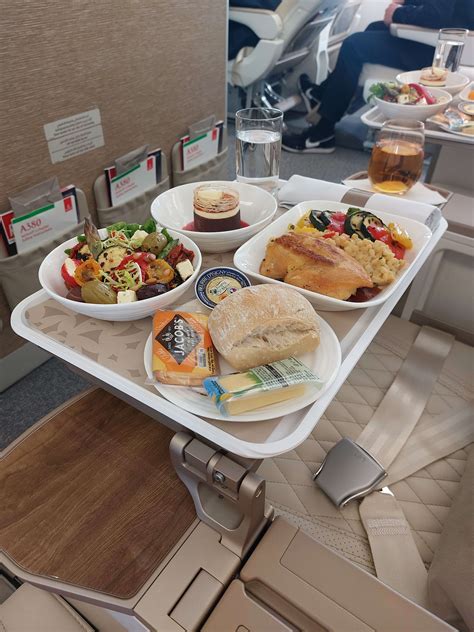
Service plays an equally critical role. Dedicated cabin crew for the premium economy section create a quieter, more attentive environment, ensuring that passengers feel valued throughout the journey. This level of attention transforms the cabin into a space that feels closer to business class than economy.
A Global Network Built Around Comfort
Since introducing its premium economy product, Emirates has expanded aggressively, integrating the cabin across its fleet of Airbus A380s, Boeing 777s, and Airbus A350s. The airline’s strategy focuses on high-demand long-haul routes where comfort is most valued.
Passengers can experience this offering on flights connecting major global hubs, including Dubai to New York City, London, and Sydney.
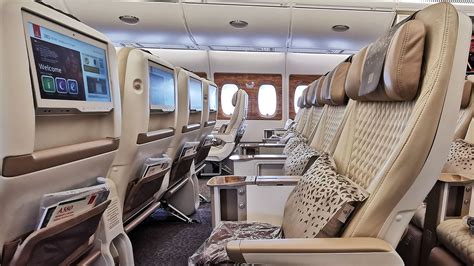
This expansion reflects a broader industry trend: premium economy is no longer a niche product but a core revenue driver, attracting a diverse mix of travelers seeking comfort without excess.
Virgin Atlantic: Proof That Experience Wins Over Space
Another compelling example is Virgin Atlantic, which offers a standard 38-inch seat pitch—less than many competitors—yet consistently ranks among the best.
Its success lies in delivering a well-rounded experience. The seats, upholstered in high-quality leather, offer deep recline and ergonomic support, enabling restful sleep even on long-haul flights.
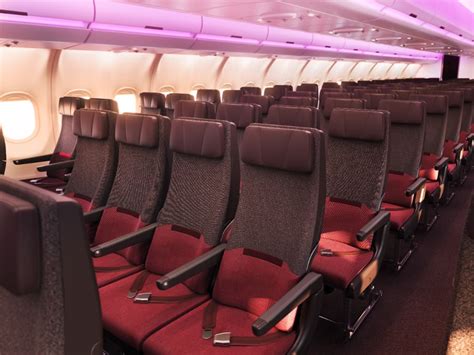
The airline’s approach emphasizes atmosphere. Soft mood lighting, thoughtfully designed cabins, and attentive service create a sense of calm that enhances passenger well-being. Large tray tables and ample charging options add practical convenience, ensuring that comfort extends beyond physical seating.
Perhaps most notably, Virgin Atlantic excels in catering, offering meals that are widely regarded as among the best in premium economy. This focus on culinary excellence elevates the entire journey, reinforcing the idea that comfort is as much about enjoyment as it is about space.
The New Definition of Comfort in the Sky
The modern premium economy experience challenges long-held assumptions about air travel. It demonstrates that comfort is not a single metric but a carefully orchestrated combination of elements.
Passengers are increasingly drawn to cabins that offer:
- Ergonomic seating that supports the body over long durations
- High-quality materials that enhance tactile comfort
- Elevated dining experiences that rival higher classes
- Attentive, personalized service that reduces travel stress
This holistic approach explains why airlines with less legroom can outperform those with more space in passenger satisfaction rankings.
Conclusion: Beyond Inches, Toward Experience
The race to create the world’s most comfortable premium economy seat has moved far beyond legroom. While airlines like Japan Airlines set the benchmark for space, it is Emirates—and to a similar extent Virgin Atlantic—that redefine what comfort truly means.
In today’s aviation landscape, the winning formula lies in balancing space with experience, combining thoughtful design, exceptional service, and refined details into a seamless journey.
For travelers, this shift offers a compelling promise: you no longer need a lie-flat bed to enjoy a truly comfortable flight. Sometimes, the best seat in the sky isn’t the one with the most room—it’s the one that understands comfort in every sense of the word.