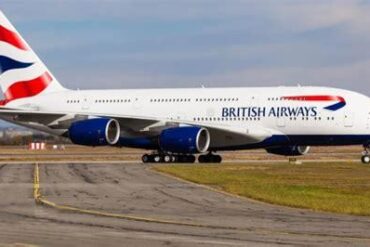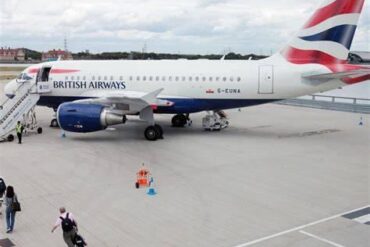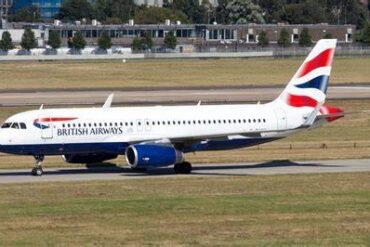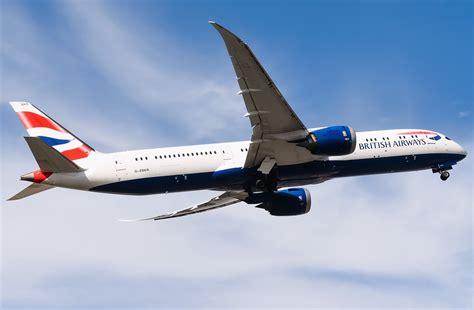
British Airways canceled its scheduled BA254 flight from Barbados to London Heathrow after several crew members were reportedly found unable to operate the service following an alleged alcohol-related incident during their hotel layover. The disruption affected passengers waiting to travel from Grantley Adams International Airport in Bridgetown to the United Kingdom, with the airline confirming that an investigation had been launched.
The incident reportedly occurred at the crew’s accommodation in Barbados before the scheduled departure on Sunday, July 5. According to reports, some members of the flight crew were allegedly drinking at the resort hotel bar only hours before they were expected to operate the aircraft. Witnesses claimed that one crew member became ill, while another reportedly collapsed at the hotel.
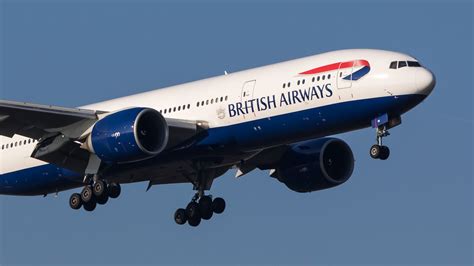
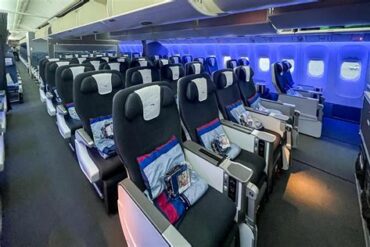
The affected service, BA254, is a regular British Airways route connecting Barbados with London Heathrow. The flight was scheduled to depart Bridgetown at approximately 4:50 PM and arrive in London the following morning. The route is typically operated by a Boeing 777-200ER, an aircraft capable of carrying hundreds of passengers depending on the cabin configuration.
Reports indicate that the cancellation was not caused by an aircraft issue or weather disruption, but rather by concerns over whether enough crew members were fit and legally permitted to operate the flight. In commercial aviation, airlines are required to ensure that all operating crew meet strict safety standards before departure, and alcohol-related impairment is considered a serious operational risk.
British Airways Investigation Into Crew Conduct
British Airways confirmed that several crew members had been removed from duty while the circumstances were investigated. The airline emphasized that it expects the highest professional standards from its employees and that passenger safety remains the priority.
A British Airways spokesperson stated: “We expect the highest standards of our crew, and we are urgently investigating this matter.”
The airline’s decision to cancel the flight reflects the strict safety culture that governs commercial aviation. Pilots and cabin crew are responsible for operating complex aircraft systems, managing emergencies, assisting passengers, and making critical decisions. Any concern about their ability to perform those duties can result in an immediate operational response.
Although the cancellation likely caused significant inconvenience, allowing a crew member who may be impaired by alcohol to operate a long-haul flight would create far greater risks. Aviation regulators and airlines maintain strict rules because even small reductions in alertness, reaction time, or decision-making ability can have serious consequences.
Why Aviation Has Strict Alcohol Rules for Flight Crews
Alcohol consumption among flight crew members is heavily regulated around the world through what is commonly known as “bottle-to-throttle” regulations. These rules are designed to prevent pilots and other operational crew from performing safety-sensitive duties while affected by alcohol.
Both the European Union Aviation Safety Agency (EASA) and the Federal Aviation Administration (FAA) require a minimum period between consuming alcohol and reporting for flight duty. While regulations may vary by jurisdiction, a common standard is a minimum 12-hour gap between drinking and flying.
However, aviation professionals are often expected to maintain an even larger safety margin. The effects of alcohol can vary significantly depending on the amount consumed, body composition, sleep quality, hydration, and other factors. A person may feel normal while still experiencing reduced concentration or slower reactions.
For flight crews, these effects are especially important. Pilots must be capable of handling unexpected situations, including technical problems, severe weather, or emergency procedures. Cabin crew members must also remain prepared to respond quickly to medical situations, evacuations, and passenger safety concerns.
At high altitudes, alcohol can create additional concerns because reduced oxygen levels inside aircraft cabins can potentially worsen impairment. Even minor effects that might be manageable on the ground can become more significant during flight operations.
Flight Cancellation Creates Major Operational Challenges
A canceled long-haul flight creates complex problems for both airlines and passengers. Because BA254 operates as a scheduled international service between Barbados and London, the cancellation could have affected hundreds of travelers, including passengers with connecting flights from Heathrow.
A widebody aircraft cancellation can disrupt an airline’s network because aircraft, pilots, and cabin crew are carefully scheduled across multiple destinations. If an aircraft remains stranded away from its home base, British Airways may need to reorganize its fleet and deploy replacement resources to restore operations.
The airline could also face additional costs related to passenger assistance, accommodation arrangements, rebooking, and potential compensation obligations depending on applicable passenger protection rules. For travelers, the impact may extend beyond the missed flight itself, especially when connections, business commitments, or holiday plans are involved.
Safety Remains The Priority In Commercial Aviation
While incidents involving crew behavior attract significant public attention, the response from airlines and regulators demonstrates one of aviation’s central principles: operational decisions must prioritize safety above convenience.
British Airways’ decision to cancel the Barbados–London service highlights how seriously airlines treat crew fitness and alcohol regulations. A delayed or canceled flight can create frustration and financial losses, but preventing an unsafe operation remains the foundation of modern commercial aviation.
The investigation will determine the full circumstances surrounding the incident, including the actions of individual crew members and whether company procedures were followed. Until then, the case serves as another reminder that aviation depends not only on advanced aircraft and technology but also on strict professional standards from the people responsible for every journey.