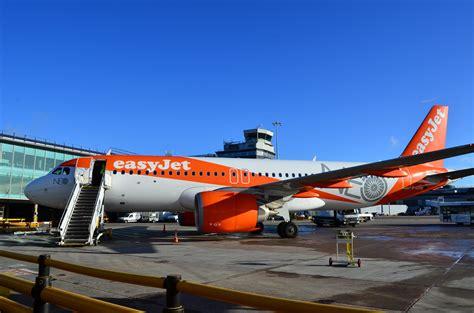
Europe’s airline industry could be on the verge of another transformative deal after Castlelake reached an agreement in principle with EasyJet’s board on a takeover valued at more than $7.3 billion. While the proposed acquisition still faces shareholder approval, regulatory scrutiny, and ownership hurdles, the biggest mystery is no longer whether the offer is large enough. Instead, attention has shifted toward why Castlelake is willing to spend billions on one of Europe’s largest low-cost airlines and what long-term strategy lies behind the investment.
EasyJet has spent years rebuilding its financial strength following the pandemic while maintaining one of the largest short-haul networks across Europe. Although it trails Ryanair in profitability, the airline remains one of the continent’s most recognizable aviation brands, operating hundreds of aircraft and controlling valuable airport slots at some of Europe’s busiest airports. Those assets alone make the company far more than a traditional airline investment, which explains why industry observers are carefully examining Castlelake’s intentions.
Unlike a straightforward acquisition designed solely to improve quarterly profits, this proposed transaction appears to involve a broader strategic calculation. EasyJet’s aircraft portfolio, airport access, customer base, and network position create opportunities extending well beyond operating low-cost flights. Whether Castlelake intends to improve operational performance, unlock hidden asset value, or eventually partner with another airline group remains the central question surrounding the proposed takeover.
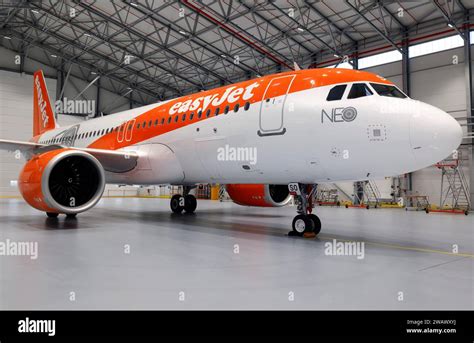
Castlelake Finally Won Over EasyJet’s Board
Negotiations reportedly began with significantly lower offers before Castlelake gradually increased its proposal until the airline’s board agreed to support a £6.90 per share offer. That values EasyJet at approximately £5.5 billion, equivalent to just over $7.3 billion, making it one of the most significant European airline transactions in recent years.
Board approval, however, represents only the beginning of a lengthy acquisition process. EasyJet’s shareholders must still decide whether the offer adequately reflects the airline’s future value. Many investors may believe the company deserves a higher valuation if management successfully delivers on its long-term profitability targets.
Regulators will also closely examine the proposal. Aviation remains one of Europe’s most tightly regulated industries, particularly regarding ownership, competition, and consumer protection. Any takeover involving a major airline inevitably attracts extensive regulatory attention before receiving final approval.
European Ownership Rules Create Another Major Challenge
One of the most complicated aspects of the transaction involves European airline ownership regulations. Airlines operating within the European Union must remain majority owned and effectively controlled by European interests to preserve their operating rights.
Because Castlelake is an American investment firm, it cannot simply purchase EasyJet outright and operate the airline under existing regulatory rules. Instead, the proposal reportedly includes participation from European partners, including Irish advisory businesses, to satisfy ownership requirements.
Whether regulators ultimately accept that ownership structure remains uncertain. European authorities are likely to examine not only the legal arrangements but also whether effective control genuinely remains within Europe, an issue that has complicated previous airline transactions.
The Real Attraction May Be EasyJet’s Hidden Asset Value
Perhaps the most compelling explanation for Castlelake’s interest lies not in EasyJet’s annual earnings but in the airline’s underlying assets.
Although EasyJet generated roughly £500 million in net profit during the last financial year, analysts have estimated that the company’s total assets could be worth more than £8 billion. That valuation includes its extensive aircraft fleet, valuable maintenance infrastructure, airport slots, and operating certificates.
Airport slots deserve particular attention. Landing and takeoff rights at airports such as London Gatwick, Milan Malpensa, Amsterdam Schiphol, and other capacity-constrained hubs have become extraordinarily valuable. These rights are limited, difficult to obtain, and increasingly important as airport expansion struggles to keep pace with passenger demand.
For investors specializing in transportation assets, this disconnect between EasyJet’s market valuation and estimated asset value may represent an unusually attractive opportunity.

Could Air France-KLM Eventually Join the Picture?
Another intriguing possibility involves Air France-KLM. Castlelake previously participated in the restructuring of Scandinavian Airlines (SAS) alongside the Franco-Dutch airline group, demonstrating the firm’s willingness to partner with established aviation companies.
Recent comments from Air France-KLM leadership indicated openness to future investment discussions involving EasyJet, although the airline group was reportedly not part of the formal acquisition proposal at the time the offer was announced.
If such cooperation eventually develops, EasyJet could significantly strengthen Air France-KLM’s position within Europe’s competitive low-cost market. While the group already operates Transavia, acquiring access to EasyJet’s extensive route network would dramatically expand its presence across numerous European cities.
Such a partnership would also create opportunities for network coordination, fleet optimization, and stronger competition against Ryanair and other major European carriers.
Is Breaking Up EasyJet a Realistic Possibility?
Some market analysts have speculated that EasyJet’s assets could ultimately prove more valuable than the airline itself, leading to theories about selling aircraft, leasing assets, or restructuring operations.
Although such speculation attracts headlines, it appears considerably less likely in practice.
European regulators evaluating a takeover of one of the continent’s largest airlines would almost certainly scrutinize any strategy involving significant reductions in service, employment, or competition. EasyJet carries millions of passengers annually and serves hundreds of routes critical to regional connectivity.
Completely dismantling the airline would likely create enormous regulatory, political, and operational obstacles that could outweigh any potential financial gains.
Instead, a more realistic scenario involves improving profitability, increasing operational efficiency, expanding ancillary revenue, and allowing the company’s underlying asset value to become more fully reflected over time.
Investors Will Closely Watch the Next Phase
Although EasyJet’s board has endorsed the proposal, substantial uncertainty remains. Shareholders may demand a higher purchase price, regulators could impose additional conditions, and the proposed ownership structure must satisfy European legal requirements.
Even if every approval is eventually secured, the market will continue asking the same fundamental question: what exactly does Castlelake intend to build from this acquisition?
The answer may ultimately determine whether this becomes simply another private equity investment or one of the most strategically significant airline transactions Europe has seen in years.
Conclusion
Castlelake’s proposed $7.3 billion acquisition of EasyJet represents far more than a routine takeover bid. Behind the headline valuation lies an airline with valuable aircraft, premium airport slots, a powerful brand, and a network that could reshape competitive dynamics across European aviation. Whether Castlelake intends to unlock hidden asset value, improve operational performance, pursue strategic partnerships, or eventually collaborate with another airline group remains uncertain. With shareholder votes, regulatory reviews, and ownership questions still ahead, the proposed acquisition is far from complete. Nevertheless, the transaction has already sparked one of the aviation industry’s most fascinating debates, because the true value of EasyJet may extend well beyond the profits shown on its balance sheet.