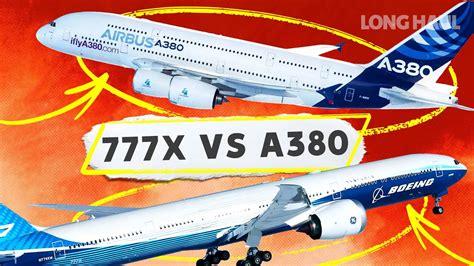
The Boeing 777X and Airbus A380 are titans of modern aviation, representing the pinnacle of engineering from Boeing and Airbus respectively. Yet, they differ dramatically in how they define “biggest.” The Boeing 777X, particularly the 777-9, is officially the longest commercial aircraft ever produced. But when it comes to overall size, volume, and capacity, the Airbus A380 remains the undisputed heavyweight of the skies.
Boeing 777X: A New Giant In Aviation
The Boeing 777X program was developed as an evolutionary leap forward from the highly successful 777 series, aimed at offering greater efficiency, capacity, and range. Its flagship variant, the 777-9, boasts a length of 251 feet 9 inches (76.72 meters), making it the longest passenger airliner in the world, surpassing both the Boeing 747-8 and the Airbus A380 in length.
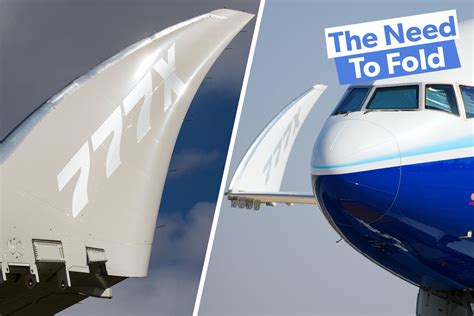
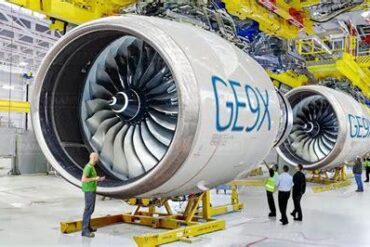
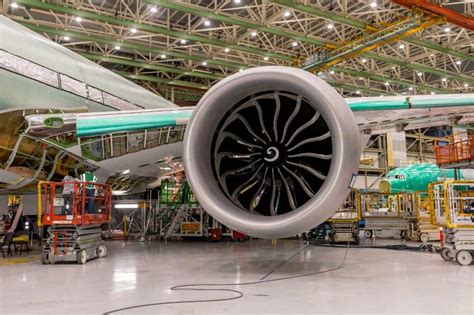
However, length isn’t everything. The 777-9’s wings are a standout innovation. With a wingspan of 235 feet 5 inches (71.75 meters) when unfolded, it’s the widest Boeing airliner ever, and thanks to folding wingtips, it can still use standard airport gates. The plane is powered by two massive General Electric GE9X engines, among the most fuel-efficient and largest in commercial aviation.
Designed to carry approximately 426 passengers in a typical two-class configuration, the 777X aims to combine efficiency and capacity in a single-deck layout. Its Maximum Takeoff Weight (MTOW) of 351 tonnes (772,000 pounds) is impressive, though still far below that of the A380.
Airbus A380: The Sky’s True Superjumbo
While the Boeing 777X wins the battle of length, the Airbus A380-800 dominates in almost every other size category. This double-decker behemoth has a wingspan of 261 feet 8 inches (79.75 meters) and an astonishing MTOW of 575 tonnes (1.27 million pounds), which makes it the largest and heaviest passenger aircraft ever built.
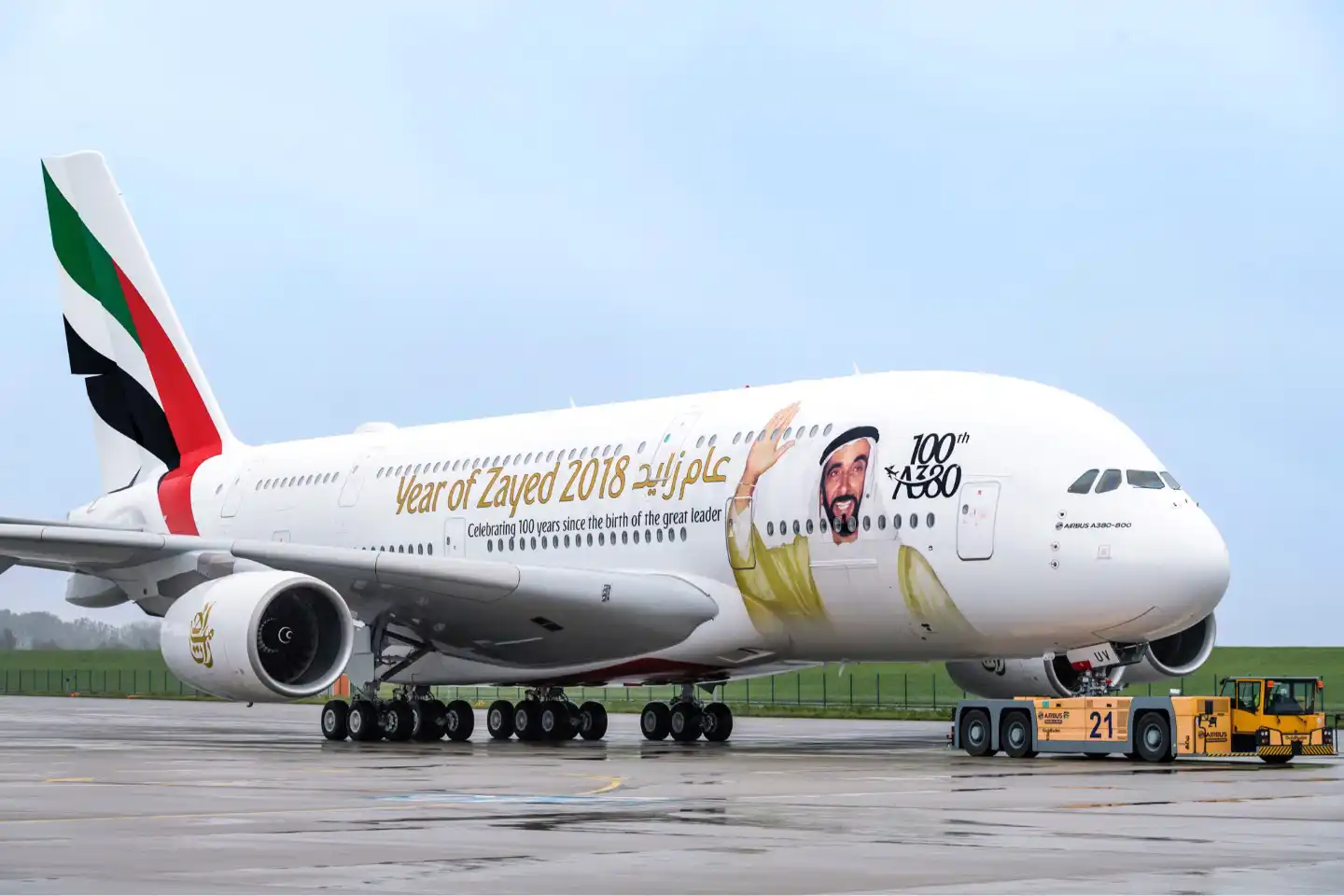
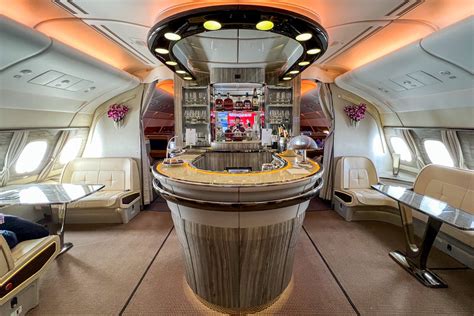
The A380 can carry up to 853 passengers in an all-economy configuration, though most airlines opt for a more comfortable 3- or 4-class setup with around 555–615 seats. The full-length second deck offers unparalleled cabin space, including onboard bars, showers, and lounges in some configurations.
In terms of height, the A380 stands tall at 79 feet (24.09 meters) compared to the 64 feet 7 inches (19.68 meters) of the 777X. From a volumetric perspective, the A380’s fuselage allows for more space per passenger and more cargo volume beneath the passenger deck.
Wingspan, Capacity & Weight: Where The A380 Outshines
Despite the Boeing 777-9 having a cutting-edge wing design, it still falls short of the A380’s colossal wingspan. The A380 was designed without compromises in scale and space, prioritizing maximum lift and range, with four engines—either the Rolls-Royce Trent 900 or Engine Alliance GP7200—to deliver enough power.
This extra size allows the A380 to accommodate larger galleys, more lavatories, and better onboard services, which airlines like Emirates have utilized to deliver an iconic travel experience. The MTOW difference is stark: 575 tonnes for the A380 versus 351 tonnes for the 777-9, with the A380’s payload capacity and fuel carriage vastly exceeding that of the 777X.
Why Is The A380 Shorter In Length?
Interestingly, Airbus never designed the A380 to be the longest aircraft. Its length of 238 feet 8 inches (72.73 meters) was intentional. The original plan included a longer variant, the A380-900, which would have stretched the fuselage and further improved per-seat economics. However, due to lack of market demand and shifting industry trends toward smaller, more efficient twins, Airbus shelved the extended version.
This decision partially explains why the A380’s length is now beaten by aircraft like the 777-9, 747-8, and even the A340-600. However, in terms of passenger capacity and total cabin volume, the A380 still reigns supreme.
Design Philosophy: Twinjet Versus Quadjet
The design philosophy between these two giants could not be more different. The 777X represents Boeing’s commitment to twin-engine efficiency, targeting routes that require high capacity but not extreme volume. The 777X is made for modern hubs, designed to fit into existing infrastructure while pushing the limits of size and performance.
In contrast, the A380 was built for an earlier vision of aviation: one where global mega-hubs would funnel passengers into massive aircraft. While that model worked for a while—especially for Emirates—it was gradually undermined by the rise of point-to-point flying and fuel efficiency.
Technological Advancements And Materials
The Boeing 777X features carbon-fiber reinforced polymer wings, which are stronger and lighter than aluminum. The folding wingtips are a new safety-certified innovation that reduce wingspan during taxiing. It also introduces lower cabin altitude, larger dimmable windows, improved air quality, and advanced avionics modeled after the 787.
In contrast, the A380, though an engineering marvel, was launched before the era of widespread composite materials. Its reliance on traditional aluminum alloys and older-generation engines contributed to its higher operating costs. Still, its design allowed for superior passenger comfort and innovations like the quietest cabin in the sky.
Market Impact And Operational Realities
The A380, despite its awe-inspiring presence, ultimately fell short in terms of long-term viability. Airlines found it difficult to consistently fill the aircraft, and it required special airport modifications due to its size. Only a few routes could economically sustain the superjumbo, which led Airbus to cease production in 2021.
On the other hand, the Boeing 777X is designed with airport compatibility in mind, with folding wingtips ensuring it can operate at standard gates. Yet, its size and ambitious scope have posed development challenges, and the program has suffered from multiple delays, pushing its entry into service well beyond original expectations.
Order Books Tell The Story
The A380 ended its production run with just over 250 orders, primarily from Emirates, Singapore Airlines, and a few other carriers. The Boeing 777X has already amassed over 500 orders, despite delays, showing stronger airline confidence in its economic model.
However, the bulk of 777X orders are from a few key airlines. Emirates alone accounts for more than 200, creating concerns about concentration risk. Still, major global carriers like Qatar Airways, Lufthansa, Cathay Pacific, and British Airways have committed to the type, often alongside A350 operations, reflecting a strategy to use both aircraft for different market segments.
Conclusion: Which One Is Bigger?
In sheer physical dimensions, the Airbus A380 is bigger. It is taller, has a larger wingspan, carries more passengers, and boasts a greater takeoff weight. However, the Boeing 777X is longer, offers better fuel efficiency, and is better suited to modern airline economics. It’s more agile, more flexible, and more efficient to operate on the vast majority of global routes.
So, is the Boeing 777X bigger than the Airbus A380? Only in length. In every other metric that defines the word “bigger”—capacity, height, wingspan, and volume—the Airbus A380 remains the undisputed giant of the skies.