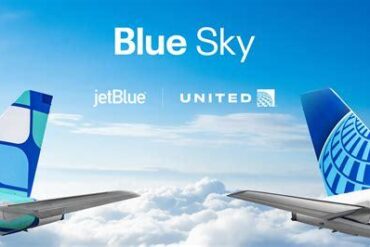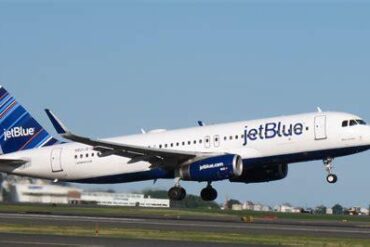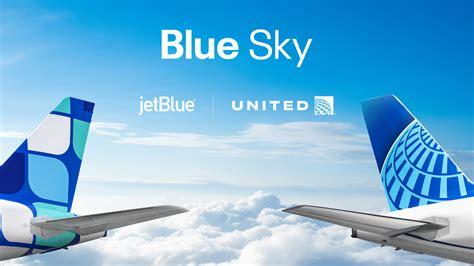
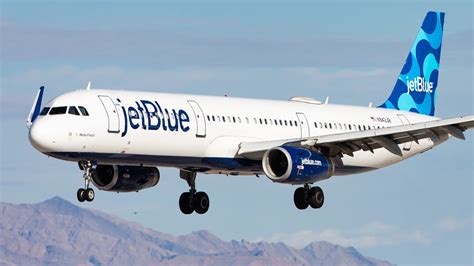
The U.S. Department of Transportation (DOT) has officially approved the landmark Blue Sky Partnership between United Airlines and JetBlue Airways, marking a pivotal shift in the competitive landscape of U.S. air travel. Announced on May 29, 2025, and now formally endorsed by regulators, this transatlantic joint venture represents one of the most significant airline collaborations in recent years, promising expanded connectivity, enhanced loyalty benefits, and greater operational efficiency. The alliance comes at a time when both airlines are seeking to solidify their positions in key markets while offering travelers unprecedented flexibility and value.
Blue Sky Partnership: A Game-Changer for U.S. Travelers
The Blue Sky collaboration is designed to redefine customer experience while strengthening both airlines’ operations in the U.S. and beyond. Among the most notable features is the reciprocal loyalty integration, allowing United’s MileagePlus members and JetBlue’s TrueBlue members to earn and redeem miles across both networks. This move significantly boosts value for frequent flyers, opening up a seamless way to maximize rewards on domestic and transatlantic routes.
In addition to loyalty perks, passengers will benefit from exclusive privileges such as priority boarding, extra-legroom seating options, and flexible same-day flight changes across both airlines. These enhancements aim to deliver a consistent and elevated experience for travelers regardless of which carrier they fly with.
Coordinated Operations in Key New York Airports
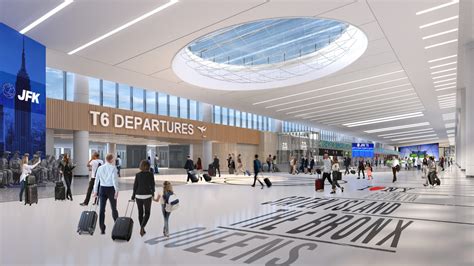
One of the cornerstone elements of the Blue Sky deal is the coordinated scheduling and airport slot sharing at New York’s congested airports. The agreement facilitates United’s return to John F. Kennedy International Airport (JFK) in 2027, with up to seven daily round-trip flights operating from Terminal 6. This return is a strategic move, giving United another foothold in a critical hub where it previously ceded ground to Delta and American Airlines. In tandem, JetBlue and United will adjust flight schedules at Newark Liberty International Airport (EWR) to optimize slot usage, improve on-time performance, and expand options for travelers.
While initial customer benefits will start materializing in autumn 2025, including loyalty perks and some operational enhancements, the full integration of airport slot swaps and schedule coordination will roll out gradually, with complete implementation expected to take several years.
Spirit Airlines’ Challenge: Concerns Over Competition
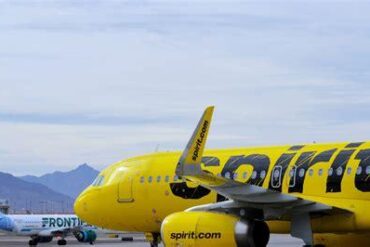
Shortly after the announcement, Spirit Airlines filed a formal complaint with the DOT, claiming that the partnership could reduce competition on overlapping routes. Spirit argued that the alliance could effectively place JetBlue under United’s influence, leading to higher fares and fewer options for passengers. However, both United and JetBlue have firmly dismissed these allegations, clarifying that Blue Sky is not a merger but a strategic partnership designed to enhance competition, particularly against major players like Delta and American.
This regulatory tension highlights the delicate balance between fostering competitive collaborations and preventing monopolistic market control. DOT’s decision to approve the deal suggests regulators view the partnership as beneficial for consumer choice and market competition.
JetBlue’s Strategic Pivot After Regulatory Setbacks
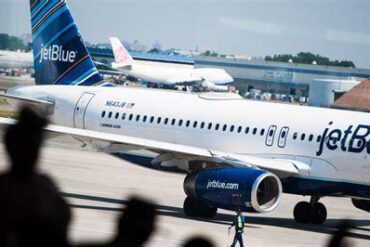
JetBlue’s decision to pursue the Blue Sky partnership stems from a series of regulatory setbacks. Its highly publicized 2023 attempt to merge with Spirit Airlines was blocked, leaving the carrier searching for alternative strategies to strengthen its market presence. Additionally, the dissolution of the Northeast Alliance (NEA) with American Airlines in the same year further curtailed JetBlue’s growth opportunities.
By aligning with United, JetBlue gains access to a more expansive network and resources while maintaining its independence. This partnership allows JetBlue to rebuild its competitive edge in crucial markets like New York without engaging in another protracted merger battle.
United’s Strategic Return to JFK
United’s return to JFK International Airport after a five-year absence is one of the most notable aspects of the deal. The airline will operate up to seven daily round-trip flights from Terminal 6, targeting high-demand destinations such as Los Angeles and San Francisco. This move signals United’s intent to re-enter the lucrative New York premium travel market, long dominated by rivals.
United’s 2022 exit from JFK was widely viewed as a missed opportunity, leaving a vacuum that competitors quickly filled. Reestablishing operations at JFK under the Blue Sky framework enables United to reclaim lost market share and position itself as a stronger competitor in the nation’s busiest air corridor.
What Blue Sky Means for Travelers
For U.S. travelers, the Blue Sky partnership promises several tangible benefits:
- Greater route connectivity: Easier access to transatlantic destinations with fewer stops, particularly between Belgium and Israel.
- Enhanced loyalty programs: MileagePlus and TrueBlue members can seamlessly earn and redeem rewards across both airlines.
- Improved travel experience: Priority services, extra-legroom seating, and flexible flight change options across networks.
- More flight options in New York: Increased scheduling efficiency and added frequencies at JFK and EWR.
Collectively, these enhancements are expected to provide a more flexible, cost-effective, and traveler-friendly experience.
Looking Ahead: The Future of Blue Sky
The approval of Blue Sky by the DOT marks the beginning of a transformative journey for both United and JetBlue. While initial integration will begin in late 2025, full operational synchronization will require significant planning and phased execution. Nevertheless, the partnership could reshape the U.S. airline industry, setting a precedent for how strategic collaborations can rival full-scale mergers in terms of impact.
The Blue Sky alliance also raises questions about the future of airline partnerships in the U.S. Will other mid-sized carriers pursue similar collaborations to remain competitive? Could this lead to a new wave of creative, non-merger alliances designed to navigate the complexities of U.S. aviation regulations? These are critical considerations as the industry watches the rollout of this historic deal.
Ultimately, Blue Sky represents more than just a partnership—it is a strategic blueprint for competing in a post-pandemic aviation market marked by fluctuating demand, constrained airport capacities, and evolving customer expectations. As implementation progresses, travelers and industry stakeholders alike will be closely monitoring its outcomes.
The success of the Blue Sky partnership will hinge on its ability to deliver on promises of enhanced connectivity, improved service, and competitive pricing. If successful, it may well redefine not only how United and JetBlue operate but also how partnerships can shape the future of air travel in the United States.