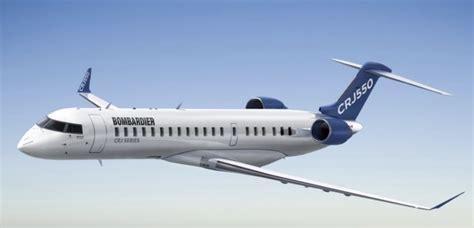
Regional air travel in North America is experiencing a significant transformation, spearheaded by United Airlines and Delta Air Lines, as both carriers deploy the pioneering CRJ550 aircraft to reshape the landscape of short-haul connectivity across the United States and Canada. With a focus on enhancing passenger experience, operational efficiency, and route optimization, the CRJ550 represents more than just a new plane — it signifies a renewed vision for regional aviation.
The CRJ550, developed by Bombardier and tailored for United and Delta’s strategic needs, merges the compact economics of regional jets with the comfort of mainline service. By making calculated changes to network design and fleet allocation, both carriers are intensifying competition, improving intercity access, and introducing a more luxurious experience to regional travel.
The CRJ550: A Game-Changer in Regional Aviation
Unlike previous generations of regional jets, the CRJ550 has been designed to emphasize passenger comfort, operational flexibility, and regulatory compliance. While based on the CRJ700 platform, this aircraft features a reduced seating configuration — only 50 seats, compared to 70 typically found on similar airframes. This move is strategic and multifaceted, ensuring the aircraft complies with pilot scope clauses in union agreements while elevating service quality.
Key Features of the CRJ550:
- 10 First-Class seats offering expanded legroom and premium service.
- 20 Economy Plus seats, bridging the gap between luxury and value.
- 20 Standard Economy seats for cost-conscious travelers.
- Self-service snack and beverage stations in first class.
- Generous overhead bin space, the largest among 50-seat regional aircraft.
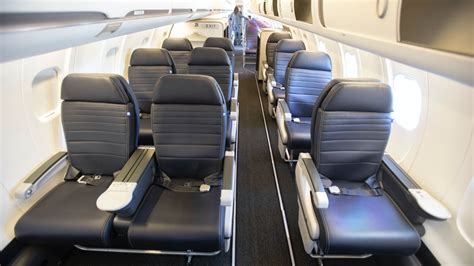
This configuration allows for a more relaxing and premium experience, targeting business travelers and frequent flyers accustomed to higher service standards. It represents a bold departure from the legacy design ethos of cramped regional flying and aligns with United’s and Delta’s broader customer experience goals.
United Airlines: Strategic Network Expansion with the CRJ550
United Airlines has taken an aggressive approach to regional network redesign using the CRJ550. Leveraging its Chicago O’Hare and Newark hubs, the airline has rolled out new and revised routes that link underserved cities with major commercial centers. This strategy not only counters increasing competition from ultra-low-cost carriers like Frontier Airlines but also enhances connectivity in markets where larger aircraft are inefficient or unviable.
United’s decision to deploy the CRJ550 at scale is part of its broader “United Next” initiative, which combines fleet modernization with a shift toward higher revenue per available seat mile (RASM) routes. With its spacious layout and first-class cabins, the CRJ550 supports this strategy by attracting high-yield passengers to routes that previously offered only barebones service.
For example, cities like Rochester, New York and Greensboro, North Carolina, now benefit from direct premium service to major hubs, giving travelers greater incentive to stay within the United ecosystem.

Delta Air Lines: Balancing Innovation and Legacy in Regional Service
While United has embraced the CRJ550 more visibly, Delta Air Lines has also begun reconfiguring its regional fleet to adapt to new market realities. In response to pressures from both United and low-cost challengers like Frontier Airlines — which is expanding aggressively in cities like Atlanta and San Diego — Delta is aligning its Delta Connection brand with aircraft that provide a superior passenger experience.
Delta’s implementation of the CRJ550 and similarly upgraded regional jets has been more tactical, focusing on high-demand business corridors where competition with United is fiercest. By emphasizing brand consistency, SkyMiles loyalty integration, and elevated onboard comfort, Delta is strengthening its position in short-haul markets without sacrificing profitability.
Routes such as Atlanta to Raleigh-Durham, or Detroit to Ottawa, have seen an uptick in premium traffic, thanks to the upgraded service standards. The strategy complements Delta’s wider efforts to project a premium brand image, even in smaller markets where rivals have traditionally dominated.

Revitalizing Cross-Border Travel Between the U.S. and Canada
One of the most important developments resulting from the CRJ550 deployment is the revival and enhancement of cross-border regional travel. Cities such as Toronto, Montreal, Vancouver, Ottawa, and Calgary are now seeing more frequent, comfortable, and efficient connections to U.S. business hubs via these modern aircraft. This aligns with post-pandemic trends of distributed workforces, flexible meeting arrangements, and revived corporate travel budgets.
By deploying CRJ550s on short-haul transborder routes, United and Delta offer a compelling alternative to traditional long-haul connectors or multi-stop itineraries. Business travelers in secondary Canadian cities now enjoy streamlined access to major U.S. metros, benefiting from both time savings and a significantly more enjoyable flight experience.
Competitive Pressure and the ULCC Disruption
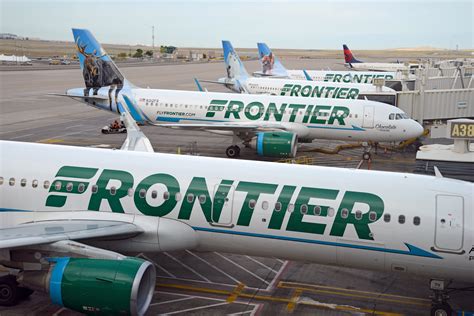
As United and Delta elevate their regional product, ultra-low-cost carriers (ULCCs) like Frontier Airlines are creating pressure at the other end of the market. With rapid expansions from Atlanta and San Diego, Frontier is flooding the market with low-fare, high-frequency routes. These carriers thrive on volume and price sensitivity — an area where neither United nor Delta aim to compete directly with premium-configured regional jets.
However, the juxtaposition of ultra-budget and ultra-premium strategies in the same regional airspace is forcing the legacy carriers to sharpen their execution. While Frontier may win over price-sensitive leisure travelers, United and Delta are betting big on frequency, reliability, comfort, and elite loyalty — the exact ingredients that define profitable business travel segments.
Pilot Scope Clauses and Labor Dynamics
The CRJ550 also exists as a response to complex labor agreements and scope clauses. These contractual limitations dictate what types of aircraft can be flown by regional affiliates under the mainline brand. United’s decision to reduce the seating in the CRJ550 to 50 ensures compliance with pilot union scope clauses, allowing the airline to operate more regional flights under its own flag while preserving job security for mainline pilots.
This adaptation shows how the intersection of labor dynamics and fleet planning can lead to unexpected innovations. The result — a premium aircraft operating within regional constraints — has been applauded by both labor representatives and corporate strategists, further cementing its role in the future of short-haul air travel.
Customer Experience as a Differentiator
United and Delta are not merely shifting fleet metrics; they are investing heavily in customer experience as a competitive moat. Travelers onboard the CRJ550 immediately notice the difference — from larger windows and quiet cabins to onboard snack stations and accessible overhead storage that accommodates full-size roller bags. In an age where time, comfort, and loyalty programs increasingly determine consumer choice, the CRJ550 has become an important asset.
Moreover, for frequent travelers accustomed to being squeezed into tight regional cabins, the ability to enjoy a true first-class seat on a 50-minute flight represents a profound shift in expectations. This comfort-first approach, coupled with the operational nimbleness of smaller aircraft, allows United and Delta to better serve short-stage-length, high-value routes.
Looking Ahead: The CRJ550 as a Template for the Future
The introduction and expansion of the CRJ550 across North America sets a template for how legacy carriers can innovate within constraints and still achieve strategic objectives. Whether it’s maintaining scope clause compliance, countering low-cost competition, or elevating the regional travel experience, the CRJ550 is proving to be a versatile and visionary aircraft.
As travel demand evolves in the 2020s, influenced by both technology and macroeconomic forces, airlines that balance comfort, connectivity, and cost-efficiency will win. United and Delta are showing that even the historically neglected regional market can be a venue for high-margin innovation and brand loyalty.

Ultimately, the United States and Canada are becoming more interconnected than ever, not just through more flights, but through better flights — the kind that redefine expectations and set new standards in regional aviation. The CRJ550 is not just another aircraft; it is a statement of intent and a catalyst for the next era of short-haul travel in North America.