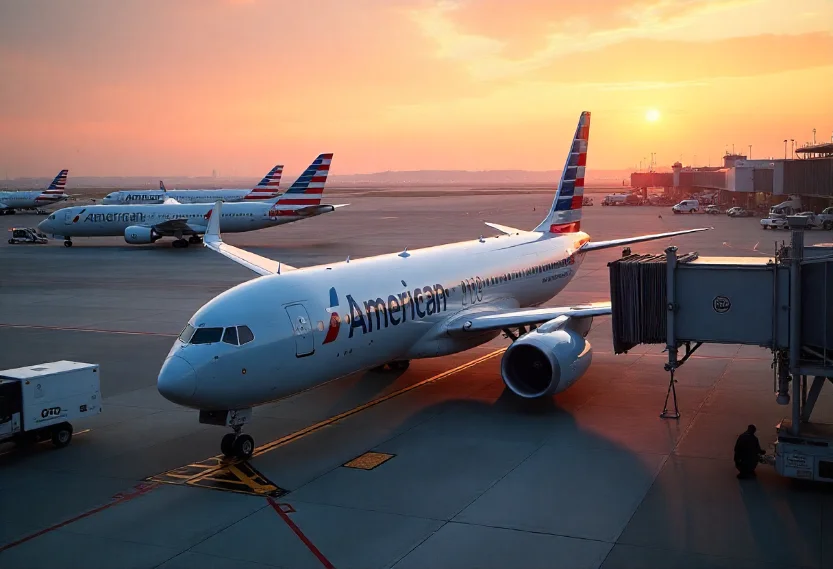
American Airlines is taking an assertive leap into the upcoming winter travel season, delivering a sweeping expansion that reinforces its position in the competitive transatlantic and domestic markets. By upgrading aircraft, reintroducing key routes earlier than planned, and enhancing its service offerings, the airline is targeting two crucial hubs — Spain and the United States — with a comprehensive strategy that will significantly increase capacity, improve customer experience, and capture a larger share of peak-season demand.
Larger Aircraft and Early Route Launches to Spain
The cornerstone of this expansion lies in American Airlines’ intensified transatlantic network, which will see larger aircraft deployed to Spain and seasonal routes resuming ahead of schedule. These changes are designed to cater to a surge in demand for winter travel while elevating the onboard experience for premium and economy travelers alike.
Dallas/Fort Worth (DFW) to Madrid (MAD)
From December 2 to January 5, American Airlines will introduce the Boeing 777-300ER on its Dallas/Fort Worth to Madrid route. This widebody jet significantly boosts seating capacity, offering a higher number of premium cabin seats and enhanced inflight services. The 777-300ER’s First Class and Business Class suites, along with upgraded economy seating, underscore American’s aim to provide a more comfortable experience during the holiday travel rush.
Philadelphia (PHL) to Madrid (MAD)
During the same window — December 2 through January 5 — the Philadelphia to Madrid route will transition from the Boeing 787-8 to the larger 787-9 Dreamliner. This move brings additional seating and improved cabin amenities, ensuring passengers have greater access to American’s international premium product during one of the busiest travel periods of the year.
Dallas/Fort Worth (DFW) to Barcelona (BCN)
A significant highlight of the expansion is the early resumption of the Dallas to Barcelona route. Originally slated for late March 2025, the service will now commence January 6, extending its seasonal availability and giving travelers a longer window to explore Spain during the winter season. This proactive scheduling addresses growing transatlantic leisure travel trends and allows American to stay ahead of its competitors in capturing early demand.
Chicago O’Hare (ORD) to Madrid (MAD)
Adding further weight to the network expansion, Chicago O’Hare to Madrid will also make a comeback ahead of schedule, starting March 7, 2025, instead of its traditional late-March launch. This earlier start aligns with American’s broader strategy of maximizing available capacity during peak demand.
Strengthening Year-Round and Seasonal Services
New York JFK to Madrid will remain a year-round offering, serving as a critical link for business and leisure travelers connecting through one of America’s busiest international gateways. However, the New York JFK to Barcelona route will continue operating on a seasonal basis, reflecting American’s careful balancing act between optimizing load factors and maintaining competitiveness against carriers like JetBlue, Spirit, and Southwest, which have aggressively expanded their transatlantic seasonal services.
Domestic Strategy: Fort Lauderdale to Phoenix Returns
While American’s international upgrades take the spotlight, domestic travelers will also benefit from the airline’s winter expansion. Daily service between Fort Lauderdale (FLL) and Phoenix (PHX) will resume in mid-December 2025, re-establishing a vital link for leisure and business passengers between these key markets.
This route, inactive since January 2020, briefly reappeared earlier in 2025 under different operators but was discontinued in April. By reclaiming the route, American Airlines is positioning itself to capture market share in one of the country’s most competitive leisure corridors.
Market Dynamics: Demand, Fares, and Share Projections
American’s decision to reintroduce FLL-PHX service is grounded in compelling market data:
- Passenger Demand: For the year ending March 2025, American anticipates serving 308 passengers daily on this route, up from 261 the previous year.
- Fare Increases: Average round-trip fares have climbed from $621 to $691, signaling both healthy demand and pricing power.
- Market Share: As of March 2025, American holds 18% of the Phoenix market, while JetBlue (36%) and Spirit (26%) dominate Fort Lauderdale. This relaunch indicates American’s intent to compete more aggressively for passengers.
- Frequency Ramp-Up: By November 2025, American aims to increase from no flights in August to 2.4 daily flights, boosting available seats to approximately 383 per day.
Why This Expansion Matters for Travelers
This winter expansion is not just about more flights — it is about providing better, more consistent service across both continents. For transatlantic passengers, the use of widebody jets translates into greater seating capacity, better cabin amenities, and expanded availability of premium cabins. For domestic travelers, the resumption of FLL-PHX ensures more options in a heavily trafficked leisure market.
By aligning its operations with peak travel patterns, American Airlines is addressing pent-up demand from both U.S. and Spanish travelers. This approach solidifies its transatlantic presence while fortifying its domestic connectivity, effectively creating a stronger bridge between Spain and key American hubs.
The Competitive Landscape
This aggressive expansion comes as the transatlantic travel market heats up, with low-cost and legacy carriers alike vying for share. Airlines such as JetBlue have made notable strides in the U.S.-Spain corridor, offering competitive pricing and fresh cabin experiences. Similarly, Spirit and Southwest have introduced seasonal services that challenge American’s foothold in traditional markets.
To stay ahead, American is leveraging fleet flexibility, deploying larger aircraft where demand is highest, and fine-tuning its schedule to capitalize on seasonal peaks. This balance of tactical and strategic decisions underscores the airline’s commitment to growth without compromising profitability.
Looking Ahead: American Airlines’ Winter Outlook
As American Airlines positions itself for the winter 2025 travel surge, the combined effect of enhanced transatlantic services and targeted domestic route restoration is expected to yield tangible benefits for passengers and shareholders alike. Travelers to Spain will enjoy more options, greater flexibility, and improved onboard experiences, while domestic flyers gain additional connections in key leisure corridors.
For American, these changes reinforce its long-term strategy of capturing high-value travelers, optimizing fleet deployment, and deepening its competitive moat in both transatlantic and domestic markets.
Final Thoughts
American Airlines’ winter 2025 expansion represents a calculated, multi-faceted strategy designed to serve growing traveler demand while solidifying the carrier’s position in highly competitive markets. By upgrading aircraft, reintroducing popular routes, and enhancing transatlantic and domestic connectivity, the airline is creating a more robust network that directly benefits passengers traveling between the United States and Spain — and beyond. As this bold plan unfolds, travelers can expect more flights, larger planes, and premium experiences across some of the busiest corridors in the airline’s network.