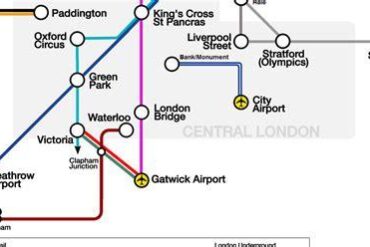
London Gatwick Airport has become one of the most fascinating examples of efficiency in modern aviation. While many of the world’s busiest airports rely on multiple runways, enormous land areas, and extensive infrastructure networks, Gatwick has achieved remarkable passenger numbers with a far more limited setup. The airport operates primarily with one active runway, yet it continues to handle more passengers annually than many airports equipped with two, three, or even four runways.
Located south of London in West Sussex, Gatwick Airport serves as the United Kingdom’s second-busiest airport and an essential gateway for millions of travelers. In 2024, the airport handled approximately 43.2 million passengers, demonstrating that operational intelligence can sometimes be just as important as physical expansion. The airport’s success is not built on having more concrete and asphalt than competitors. Instead, it comes from precision scheduling, advanced coordination, rapid aircraft movements, and decades of operational experience.
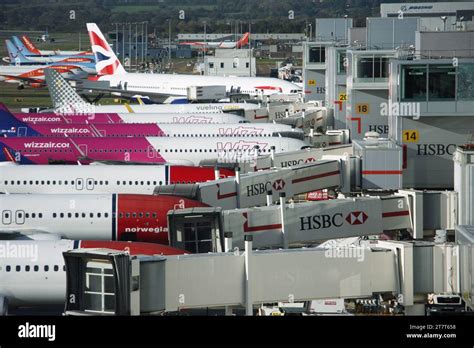
The story of Gatwick challenges a common assumption in aviation: that airport capacity is determined mainly by the number of runways available. While runway infrastructure is obviously important, the real measure of an airport’s performance depends on how effectively those runways are managed. Gatwick has transformed a potential limitation into a demonstration of operational excellence.
Why London Gatwick Airport Operates With Only One Active Runway
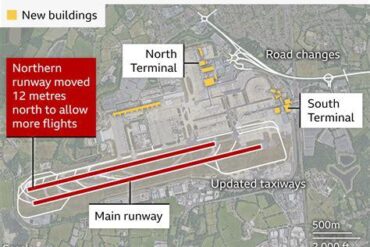
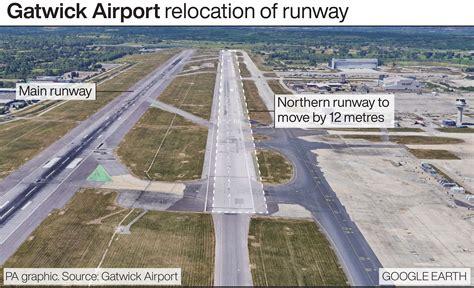
At first glance, Gatwick appears to have two runways. The airport has a main runway measuring approximately 10,879 feet (3,316 meters) and a secondary northern runway located nearby. However, the two runways cannot normally operate independently at the same time because they are separated by only around 760 feet (230 meters).
Modern aviation safety regulations require much greater separation between parallel runways when simultaneous arrivals and departures are expected. Because Gatwick’s two runways do not meet those requirements, the northern runway is generally used only during maintenance periods, emergencies, or special operational situations.
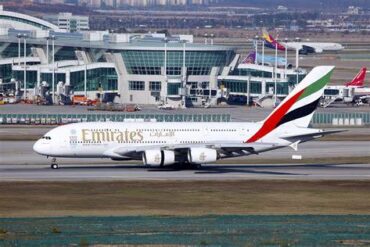
This means almost every commercial flight at Gatwick relies on a single runway. Every Airbus A319 arriving from a European destination, every Boeing 777 flying long-haul routes, and every Airbus A380 service must share the same operational space.
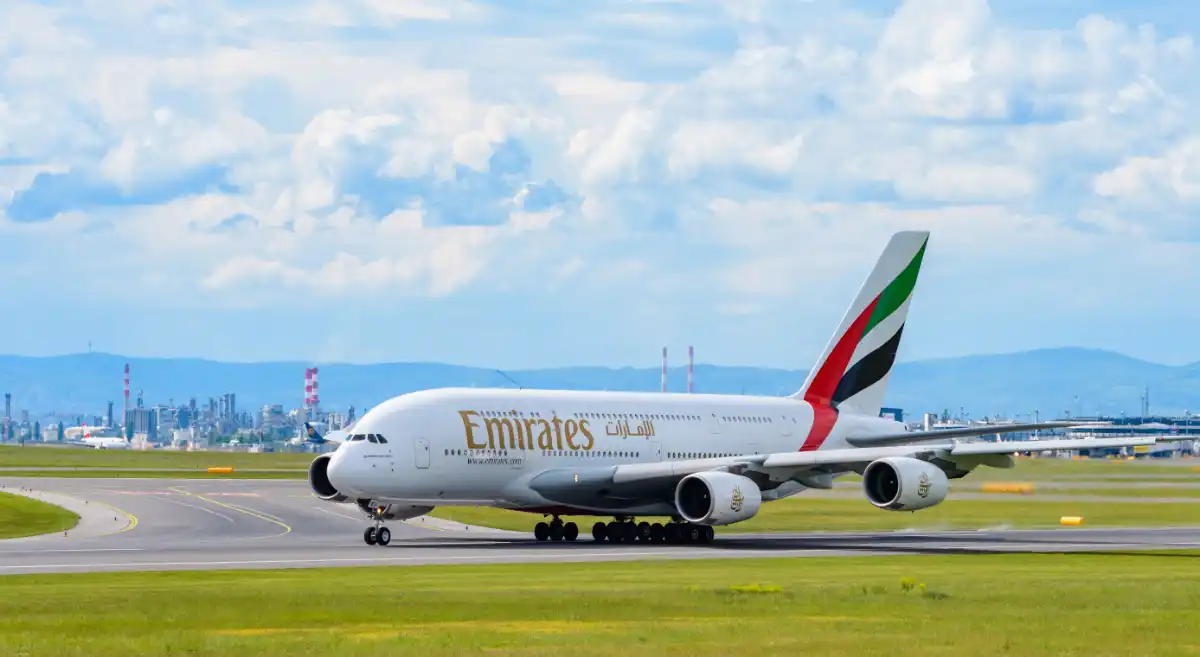
For many airports, this would create a strict limit on growth. However, Gatwick has developed an operating model that allows airlines with very different requirements to coexist. Low-cost carriers such as easyJet and Wizz Air operate alongside international airlines including British Airways, Emirates, Qatar Airways, Singapore Airlines, and Turkish Airlines.
This mixture creates a highly complex environment. Short-haul aircraft require quick turnarounds and frequent movements, while wide-body aircraft require longer taxi times, additional ground handling, and different separation standards. Managing all these operations through one runway requires exceptional coordination.
Gatwick’s Runway Efficiency Makes Every Minute Count
A single-runway airport has very little room for operational mistakes. At airports with multiple runways, controllers can sometimes redirect traffic when delays occur. A second runway can absorb pressure, allowing operations to continue even when one area experiences disruption.
Gatwick does not have that luxury. Every landing, takeoff, and taxi movement must fit into a carefully planned sequence. A delay of only a few minutes can affect dozens of later flights because the runway schedule operates with extremely limited spare capacity.
The airport’s ability to handle such pressure comes from sophisticated slot management and cooperation between airlines, airport operators, and air traffic controllers. Each aircraft movement is planned around available runway capacity, aircraft type, passenger demand, and airspace conditions.
Gatwick can achieve a declared capacity of approximately 55 aircraft movements per hour, an impressive figure for a single operational runway. Achieving this level requires constant communication between pilots, tower controllers, airline operations teams, baggage handlers, and ground crews.
Every aircraft movement becomes part of a carefully organized system. When an arriving aircraft touches down, controllers must ensure it exits the runway quickly. At the same time, another aircraft may already be waiting for departure clearance. The goal is simple: keep the runway active for as much of the day as possible without compromising safety.
Rapid Runway Operations Create Additional Airport Capacity
One of Gatwick’s greatest operational advantages comes from reducing runway occupancy time. This measurement describes how long an aircraft remains on the runway during landing or before takeoff.
At a single-runway airport, every second matters. A runway occupied by one aircraft cannot be used by another. Even small improvements can create significant additional capacity when multiplied across hundreds of thousands of annual movements.
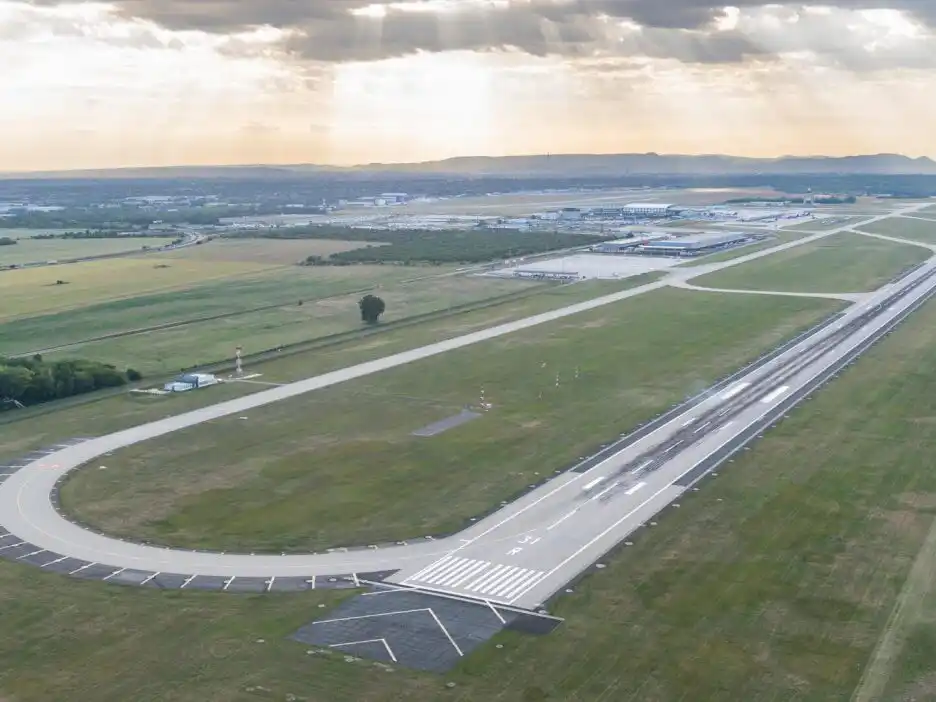
Gatwick has invested in infrastructure improvements such as rapid exit taxiways, which allow arriving aircraft to leave the runway sooner after landing. This reduces waiting times and helps controllers maintain a continuous flow of traffic.
However, infrastructure alone cannot solve the challenge. Pilots must approach and land with precise timing, selecting suitable taxiway exits whenever conditions allow. Controllers must sequence aircraft according to factors such as aircraft size, wake turbulence categories, and departure requirements.
Meanwhile, ground teams prepare the next aircraft movement almost immediately. A departing aircraft may already be positioned near the runway while an arriving aircraft is still completing its landing sequence. The entire process resembles a highly coordinated performance involving thousands of individual actions.
This operational discipline explains why Gatwick can achieve passenger numbers normally associated with much larger airports.
Fast Aircraft Turnarounds Keep Gatwick Moving
A runway is only useful when aircraft are ready to use it. Even the most efficient runway system cannot create capacity if aircraft remain on the ground for excessive periods.
This is another area where Gatwick has developed a strong reputation. The airport’s airline partners rely heavily on efficient turnaround procedures, particularly carriers operating high-frequency schedules.
easyJet, Gatwick’s largest airline, has played a major role in shaping this operational approach. Low-cost carriers depend on minimizing ground time because aircraft generate revenue primarily while flying. As soon as passengers leave an aircraft, preparation begins for the next departure.
Cabin cleaning, baggage handling, refueling, catering, and passenger boarding often happen simultaneously rather than one after another. This approach reduces unnecessary delays and allows aircraft to return to service quickly.
The same principle applies to long-haul operations. Wide-body aircraft require more complex preparation, but efficient coordination between airlines and airport teams ensures that larger aircraft can also fit into Gatwick’s demanding schedule.
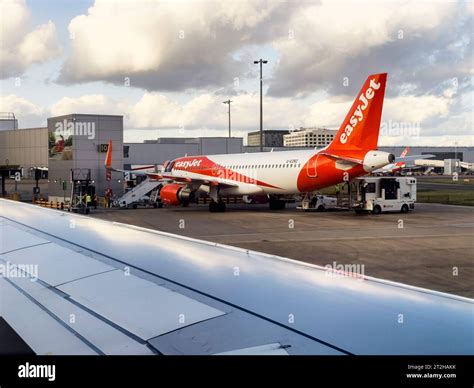
The airport also uses advanced stand management systems to reduce conflicts between arriving and departing aircraft. When delays occur, operational teams can adjust aircraft parking positions and gate assignments to reduce disruption.
This combination of efficient turnarounds and precise runway management allows Gatwick to maximize the value of every available movement.
Why Some Airports With More Runways Handle Fewer Passengers
The performance of London Gatwick demonstrates an important aviation principle: more infrastructure does not automatically mean higher passenger capacity.
Many airports around the world have significantly more runway capacity but process fewer passengers annually. The difference often comes from airline networks, scheduling strategies, aircraft utilization, and operational efficiency.
Examples include airports with multiple runways that serve important regional markets but do not have the same passenger demand density as London’s aviation market. Gatwick benefits from serving one of the world’s largest metropolitan areas while maintaining a highly concentrated flight schedule.
A simplified comparison shows why Gatwick’s achievement stands out:
| Airport | Operational Runways | Annual Passengers |
|---|---|---|
| London Gatwick | 1 | 43.2 million |
| Detroit Metropolitan Airport | 6 | Around 33 million |
| Brisbane Airport | 2 | Around 22.6 million |
| Calgary International Airport | 3 | Around 19 million |
| Dallas Love Field | 2 | Around 17.9 million |
These numbers do not mean that runway count is irrelevant. Large airports such as Atlanta, Dallas/Fort Worth, and Amsterdam Schiphol require multiple runways because of their enormous networks and operational demands. However, Gatwick proves that smart management can allow limited infrastructure to achieve extraordinary results.
The Limits of Gatwick’s Single Runway Strategy
Despite its impressive performance, Gatwick’s one-runway model is approaching its practical limits. Passenger demand continues to recover and grow, while airlines remain interested in expanding services from London’s second-largest airport.
The challenge is that efficiency improvements can only go so far. There is a maximum number of aircraft movements that one runway can safely handle before delays begin reducing the reliability that made the airport successful.
This has encouraged Gatwick to explore ways of increasing capacity by bringing its northern runway into more regular use. Rather than constructing a completely new runway, the proposal focuses on modifying existing infrastructure so the northern runway can meet modern operational standards.
If approved and implemented, the project could significantly increase airport capacity while using land and facilities that already exist.
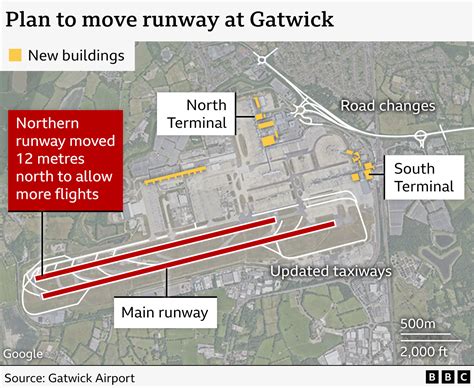
The debate surrounding Gatwick’s future highlights a wider aviation challenge. Airports worldwide are searching for ways to increase capacity while facing environmental concerns, limited land availability, and rising construction costs.
Gatwick’s approach shows that improving efficiency can delay the need for expansion, but long-term growth eventually requires additional capacity.
London Gatwick Airport Has Become a Global Aviation Case Study
London Gatwick’s achievement represents one of commercial aviation’s most impressive operational success stories. Handling more than 43 million passengers with one active runway requires much more than infrastructure. It requires precision, cooperation, technology, and a culture focused on efficiency.
The airport has demonstrated that aviation capacity is not measured only by the amount of land an airport occupies or the number of runways visible from above. The true measure lies in how effectively every available resource is used.
For decades, Gatwick has shown that careful planning can transform a physical limitation into an operational advantage. Its single-runway system has become a benchmark for airports seeking additional capacity without immediately expanding their physical footprint.
Whether Gatwick eventually adds greater runway capability or continues refining its existing model, its legacy is already clear. The airport has proven that in modern aviation, intelligent management can sometimes compete with massive infrastructure.