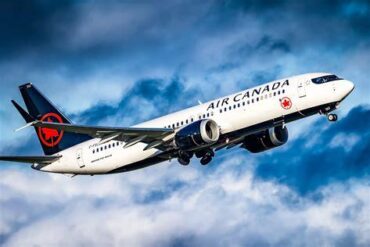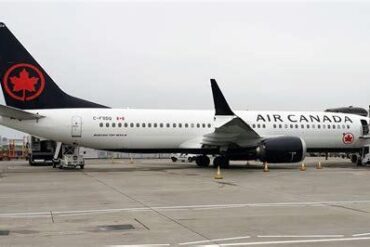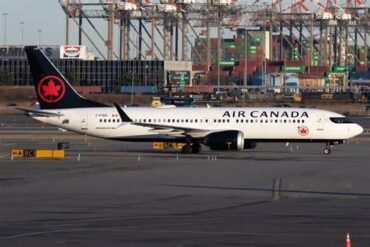
As Air Canada sharpens its narrowbody strategy for 2025, one aircraft stands out in frequency, reach, and operational flexibility — the Boeing 737 MAX 8. A crucial workhorse for medium-haul and select long-haul routes, the MAX 8 is used extensively across Air Canada’s domestic and international network. With three major hubs — Toronto Pearson International Airport (YYZ), Vancouver International Airport (YVR), and Montreal-Trudeau International Airport (YUL) — the question arises: Which of these hubs serves as the airline’s principal gateway for its 737 MAX 8 operations?
By analyzing detailed Cirium data for June 2025, this article reveals that Vancouver International Airport (YVR) emerges as the leading hub for Boeing 737 MAX 8 flights, offering a nuanced look into route strategy, traffic density, aircraft deployment, and network connectivity.
Air Canada’s Relationship with the Boeing 737 MAX 8
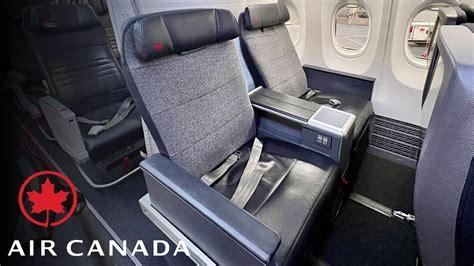
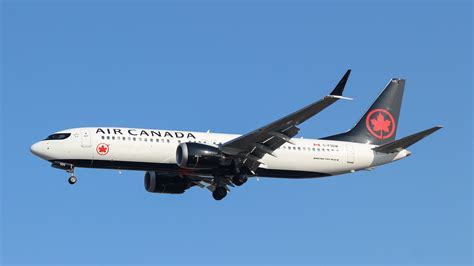
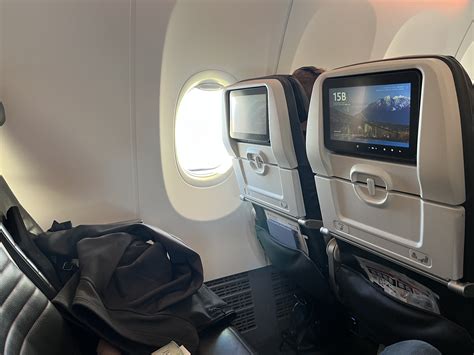
Since integrating the Boeing 737 MAX 8 into its fleet, Air Canada has leaned heavily on the aircraft’s extended range, fuel efficiency, and right-sized capacity. As of June 2025, the airline operates 47 Boeing 737 MAX 8s, with five more on order. The aircraft supports two main configurations: an all-economy layout for high-density leisure routes and a dual-cabin setup that features 16 business class seats and 153 economy seats, totaling 169 passengers.
The airline intends to eventually transfer its MAX 8s to Air Canada Rouge, the group’s leisure-focused subsidiary, by the end of 2028, reflecting a strategic alignment of aircraft type with route profile.
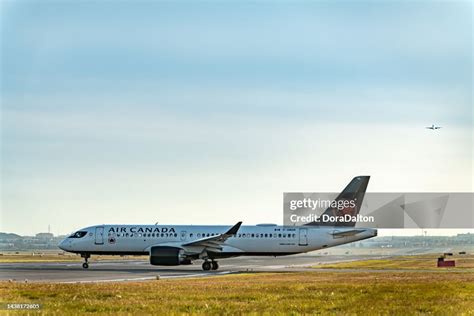
Vancouver International Airport (YVR): Air Canada’s MAX 8 Powerhouse
In terms of raw volume, Vancouver International Airport (YVR) leads the pack, hosting 887 Boeing 737 MAX 8 flights in June 2025 — making it the busiest hub for this aircraft type in Air Canada’s network. This figure reflects not only the hub’s strong domestic connectivity but also its transborder and Latin American outreach.
The most frequent route from YVR is the short-haul link to Calgary International Airport (YYC), with 146 flights scheduled each way during the month — an average of nearly five flights per day. Despite the short stage length of just 428 miles, the high frequency underscores the strategic importance of this regional corridor.
In contrast, the longest 737 MAX 8 service from YVR is to Cancún International Airport (CUN) in Mexico, a distance of 2,782 miles, served nine times each way in June 2025 — showcasing the aircraft’s versatility in connecting both business and leisure destinations.
Other notable high-frequency destinations from YVR include:
- Los Angeles International Airport (LAX) – 115 flights
- Toronto Pearson International Airport (YYZ) – 109 flights
- Montreal-Trudeau International Airport (YUL) – 77 flights
- Newark Liberty International Airport (EWR) – 60 flights
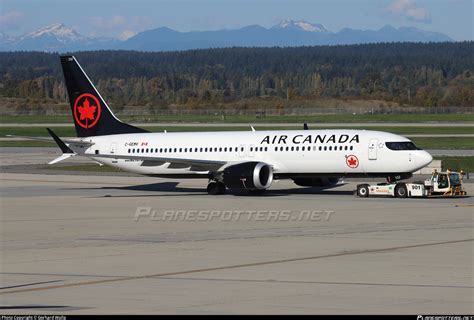
This data cements Vancouver’s position as the 737 MAX 8 epicenter, thanks to its geographical location on Canada’s Pacific Rim and its role as a springboard to the United States and Latin America.
Toronto Pearson International Airport (YYZ): Volume Meets Network Depth
Toronto Pearson (YYZ), Air Canada’s largest hub overall, comes in second in terms of MAX 8 operations with 840 flights in June 2025. While it does not match Vancouver in MAX 8 departures, YYZ compensates through network depth and international reach.
The top route from Toronto using the Boeing 737 MAX 8 is the domestic leg to Halifax Stanfield International Airport (YHZ), with 112 flights per direction scheduled for the month. This is followed closely by:
- Vancouver International Airport (YVR) – 110 flights
- Greater Moncton Roméo LeBlanc International Airport (YQM) – 75 flights
- Montreal-Trudeau International Airport (YUL) – 69 flights
The longest route from YYZ operated by the MAX 8 is to Piarco International Airport (POS) in Trinidad, a trans-Caribbean hop covering 2,529 miles, with 14 flights each way in June.
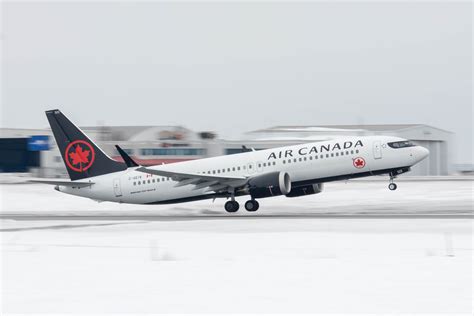
Toronto’s route map showcases the MAX 8’s role in east-west cross-country services, Caribbean destinations, and secondary transborder routes, reflecting its position as a global connecting point within Air Canada’s strategy.
Montreal-Trudeau International Airport (YUL): The Tertiary Power Player
With 608 flights scheduled in June 2025, Montreal-Trudeau (YUL) ranks third among Air Canada’s MAX 8 hubs. But what it lacks in frequency compared to Vancouver and Toronto, it offsets through a diverse and expanding international portfolio.
The top MAX 8 route from Montreal is to Vancouver, with 77 flights each way, indicating strong east-west trunk-line demand. Other heavily served routes include:
- Toronto Pearson (YYZ) – 69 flights
- Edmonton International Airport (YEG) – 58 flights
- Calgary International Airport (YYC) – 54 flights
However, the standout feature of Montreal’s MAX 8 operation is the transatlantic route to Edinburgh Airport (EDI) in Scotland — a 3,032-mile connection, served three times in June. This is the longest 737 MAX 8 route in Air Canada’s entire network, showcasing the aircraft’s intercontinental capabilities.
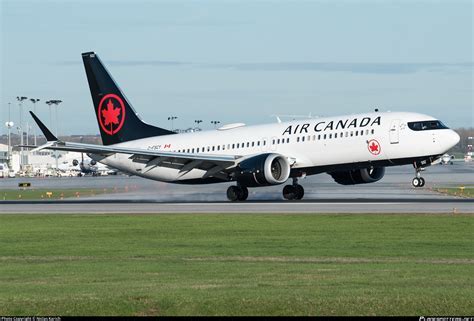
According to Mark Galardo, Executive Vice President of Revenue & Network Planning, the Edinburgh route underscores Air Canada’s “New Frontiers” strategy, which includes increased service to Paris, Athens, and Rome from its hubs — part of a broader push to boost transatlantic and Latin American offerings.
Comparative Summary of MAX 8 Operations by Hub
When comparing the three hubs by total scheduled Boeing 737 MAX 8 flights in June 2025, the picture becomes clear:
| Hub | Scheduled MAX 8 Flights (June 2025) |
|---|---|
| Vancouver International (YVR) | 887 |
| Toronto Pearson (YYZ) | 840 |
| Montreal-Trudeau (YUL) | 608 |
Vancouver leads by nearly 50 flights over Toronto, despite YYZ being Air Canada’s largest global hub. This indicates Vancouver’s distinct role as the primary narrowbody launch pad, especially for short and medium-haul routes with high frequency requirements.
Why Vancouver Tops the MAX 8 Chart
Several factors converge to make YVR Air Canada’s most active hub for 737 MAX 8 operations:
- Strategic Location: YVR offers ideal proximity to key West Coast cities in the U.S., Asia-Pacific leisure markets, and Canadian interior connections.
- Short-Haul Traffic Density: Frequent services to Calgary, Edmonton, and Los Angeles match the MAX 8’s performance sweet spot.
- Cost Efficiency: Shorter routes maximize aircraft utilization while minimizing crew costs and turnaround times.
- Operational Flexibility: Vancouver’s infrastructure and runway configuration allow fast turnarounds and slot efficiency, further optimizing aircraft use.
Moreover, Vancouver is playing an increasingly vital role in Air Canada’s Latin America strategy, with winter services to Guadalajara, Cartagena, and Guatemala City. These seasonal routes, combined with consistent U.S. frequencies, make YVR the most logical base for deploying the MAX 8 en masse.
The MAX 8’s Role in Air Canada’s Broader Network
With over 2,300 MAX 8 flights across its three hubs in a single month, Air Canada’s deployment of this aircraft type is both deliberate and data-driven. From linking major domestic centers to pushing the type to its range limits over the Atlantic, the MAX 8 is being pushed to its full utility.
This trend will only grow as Air Canada expands its network across the Americas and phases out older narrowbody jets. The MAX 8’s blend of range, capacity, and economics continues to make it an essential part of the airline’s mid-decade strategy.
Conclusion: YVR Reigns Supreme for Air Canada’s MAX 8
In June 2025, Vancouver International Airport (YVR) handles more Boeing 737 MAX 8 flights than any other Air Canada hub, securing its place as the top deployment center for this high-efficiency narrowbody. While Toronto and Montreal continue to be critical for transcontinental and international growth, Vancouver’s high-frequency short-haul network, gateway positioning, and fleet alignment strategy make it the undeniable leader in MAX 8 traffic.
As Air Canada evolves, and the MAX 8’s role becomes more intertwined with both domestic resilience and international experimentation, Vancouver’s supremacy in this aircraft category speaks volumes about the future of Canadian aviation and how fleet strategy shapes hub dynamics.