The global air cargo industry is entering one of the most important fleet transitions in decades. For much of modern aviation history, Boeing controlled the large freighter market almost uncontested, with aircraft such as the 747 Freighter and 777 Freighter becoming the backbone of international cargo operations. From express carriers to global logistics companies, Boeing’s dedicated freighters shaped how goods moved around the world.
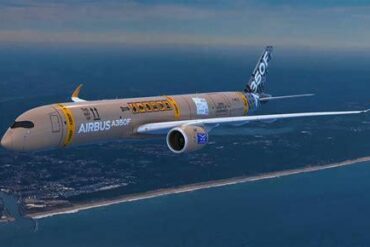
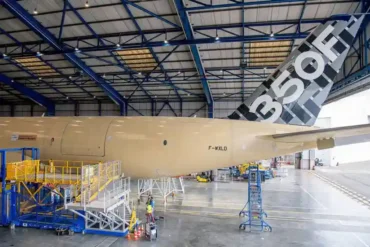
However, that dominance is facing its strongest challenge yet. The Airbus A350F freighter represents more than just a new aircraft program. It marks Airbus’ first serious attempt to capture a meaningful share of a market that Boeing has historically owned. With a modern composite structure, advanced engines, growing customer support, and a launch timeline aligned with changing emissions rules, the A350F has already changed the competitive landscape before entering commercial service.
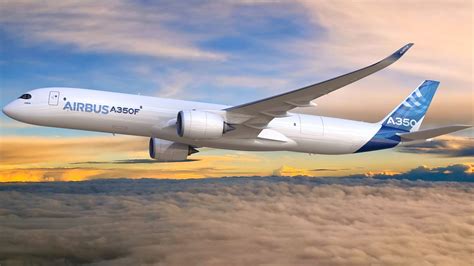
The question is no longer whether Airbus can compete in the large freighter segment. It already has. The more difficult question is whether the Airbus A350F can truly overturn Boeing’s decades-long advantage, or whether it will simply become a successful alternative alongside the upcoming Boeing 777-8F.
The answer is more complicated than a simple manufacturer rivalry. The future of the large freighter market will depend on regulation, airline fleet strategies, cargo demand, aircraft efficiency, and most importantly, which manufacturer can deliver new-generation aircraft reliably and on schedule.
The Airbus A350F Has Already Broken Boeing’s Large Freighter Monopoly
For decades, Boeing enjoyed a unique position in the dedicated widebody freighter market. While Airbus became one of the world’s largest passenger aircraft manufacturers, it struggled to translate that success into cargo aircraft sales.
The reason was simple: Boeing had the products that cargo airlines wanted.
The Boeing 747 Freighter became an icon of global logistics. Its enormous size, nose-loading capability, and ability to carry oversized cargo made it essential for airlines moving everything from industrial equipment to consumer goods. Even after passenger airlines began retiring the passenger version, the freighter variant remained highly valuable.
Later, the Boeing 777F replaced many older aircraft because it offered long range, excellent fuel efficiency compared with four-engine freighters, and strong operational reliability. Cargo operators including major logistics companies and airlines built their fleets around the aircraft.
Airbus attempted to enter this market before. The A330-200F was designed as a smaller alternative, but it never gained enough momentum to challenge Boeing’s dominance. The aircraft found some customers, yet it remained a niche product rather than a true competitor.
The A350F is different because Airbus is no longer adapting an existing passenger aircraft into a cargo solution. Instead, it is creating a purpose-built freighter based on one of the most advanced widebody platforms currently available.
That distinction matters.
The A350F benefits from the same technological advantages that made the passenger A350 successful, including extensive composite materials, aerodynamic improvements, and highly efficient engines. Airbus is entering the market with a clean-sheet design at exactly the moment when airlines are preparing for a new generation of cargo aircraft.
The impact has already been significant. Airbus moved from having almost no presence in new large freighter sales to securing major commitments from some of the world’s largest cargo operators.
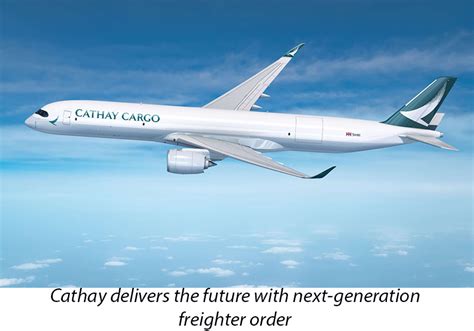
Customers including Cathay Pacific, Singapore Airlines, Air France-KLM, Etihad Airways, Martinair Cargo, Silk Way West Airlines, Air China, and Atlas Air have shown confidence in the aircraft program.
This does not mean Boeing has lost control of the market. However, Airbus has achieved something that once seemed unlikely: it has forced airlines to seriously evaluate an alternative.
New Emissions Rules Created A Historic Opportunity For Airbus
One of the biggest reasons behind the A350F’s rapid rise is timing.
The aviation industry is entering a regulatory transition period. New international carbon emissions standards are expected to influence which aircraft can continue production in the coming years, creating pressure on older-generation freighter designs.
This situation particularly affects aircraft such as the Boeing 767 Freighter and Boeing 777 Freighter, which have served the cargo industry successfully for many years but are based on older technology.
The introduction of stricter emissions requirements creates a natural replacement cycle. Cargo airlines that need additional capacity or fleet renewal must begin looking toward next-generation aircraft.
Airbus positioned the A350F precisely for this moment.
The aircraft is scheduled to enter service around 2027, placing it near the beginning of a major industry transition. Airlines looking to replace aging freighters will have a modern Airbus option available instead of automatically choosing Boeing.
Boeing’s situation is more complicated because its next-generation freighter, the 777-8F, is connected to the broader 777X program. While the aircraft promises exceptional capability, delays affecting 777X certification have slowed Boeing’s overall timeline.
This delay has given Airbus valuable time.
In previous decades, Boeing benefited from being the only realistic supplier of large new freighters. When airlines needed aircraft, Boeing was often the default choice. The A350F changes that dynamic by arriving during a period when customers are actively searching for replacements.
The regulatory environment does not guarantee Airbus success, but it has removed one of Boeing’s strongest advantages: having fewer competitors.
Airlines Are Turning The A350F Into A Real Boeing Challenger
Aircraft programs become successful when airlines place orders, and the A350F has attracted support from some highly experienced cargo operators.
Among the most important endorsements is Cathay Pacific’s commitment. Hong Kong has long been one of the world’s most important air cargo hubs, and Cathay Cargo operates a sophisticated international freight network. Its decision to include the A350F in its future fleet strategy demonstrates confidence in Airbus’ proposal.
China’s market is also strategically important. Air China’s decision to order A350F aircraft highlights the potential role Airbus could play in one of the fastest-growing cargo regions in the world.
The involvement of major airlines matters because cargo operators are extremely conservative when choosing aircraft. Freighter fleets represent enormous investments, and airlines prioritize reliability, operating costs, maintenance support, and long-term availability.
The A350F does not need to replace every Boeing freighter to be considered successful. Airbus only needs to secure enough customers to make Boeing compete aggressively for future orders.
That alone represents a major shift.
Before the A350F, Boeing could often rely on decades of cargo experience and customer familiarity. Now, airlines can negotiate between two advanced aircraft programs, creating stronger competition on pricing, support agreements, and delivery schedules.
The aircraft has also attracted a diverse customer base. It is not limited to Airbus-focused airlines. Traditional Boeing customers are considering the aircraft as well, showing that the A350F’s appeal extends beyond manufacturer loyalty.
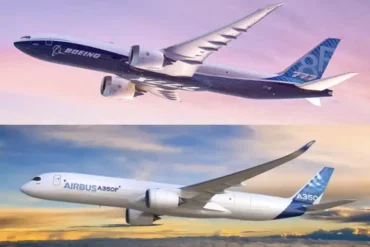
Airbus A350F vs Boeing 777-8F: A Battle Between Efficiency And Capacity
Although Airbus has gained momentum, the technical competition between the A350F and Boeing 777-8F remains extremely close.
The two aircraft represent different approaches to future cargo transportation.
The Airbus A350F focuses on efficiency. More than 70% of its structure uses advanced materials, reducing weight and improving fuel consumption. Airbus claims the aircraft will provide significant reductions in fuel burn and carbon emissions compared with older freighters.
The aircraft is powered by Rolls-Royce Trent XWB-97 engines, the same engine family that powers the largest A350 passenger variants. These engines benefit from years of operational experience and are among the most efficient large turbofans in commercial aviation.
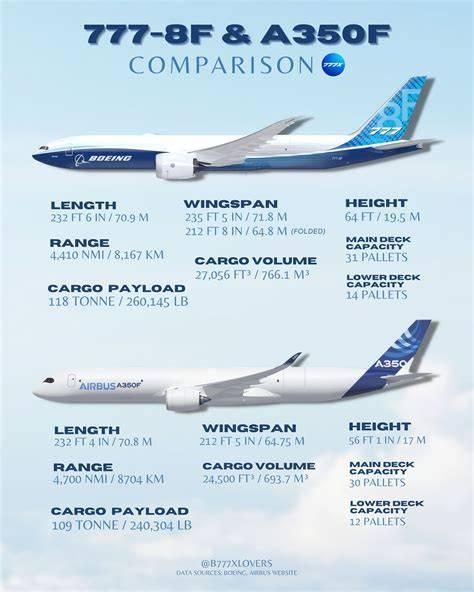
The A350F is expected to offer a maximum structural payload of approximately 111 metric tons, with a range of around 4,700 nautical miles when carrying heavy cargo.
However, Boeing’s response is equally impressive.
The 777-8F is designed around maximum capability. It will become one of the largest twin-engine freighters ever built, offering higher payload capacity and longer range potential.
The aircraft is expected to carry approximately 118 metric tons of payload, powered by the enormous GE Aerospace GE9X engine, the most powerful commercial aircraft engine currently developed.
For cargo airlines, the choice is not simply about which aircraft is newer.
Operators carrying dense cargo, industrial equipment, or heavy shipments may value the 777-8F’s additional payload capability. Airlines focused on efficiency, emissions reduction, and operating costs may prefer the A350F.
The two aircraft are likely to compete by offering different strengths rather than identical solutions.
Boeing Still Has Major Advantages In The Freighter Market
Despite Airbus’ progress, declaring Boeing defeated would be premature.
Boeing remains deeply connected to the cargo industry. Many airlines operate large fleets of 777Fs, creating a natural pathway toward the 777-8F.
Fleet commonality is a powerful advantage.
A cargo airline already operating Boeing 777 aircraft can benefit from existing pilot experience, maintenance infrastructure, spare parts networks, and operational knowledge. Switching manufacturers requires investment and training.
Boeing also has a massive reputation among cargo operators. Decades of experience building dedicated freighters provide confidence that Airbus must continue proving itself.
The 777-8F has also secured significant orders, including a major commitment from Qatar Airways, showing that Boeing still has strong customer support.
The biggest factor for Boeing will be execution.
If the 777X program successfully moves through certification and production challenges, the 777-8F could become one of the most capable freighters ever produced.
However, delays have changed the competitive environment. Airbus has gained an opportunity that would have been much smaller if Boeing’s next-generation aircraft had arrived earlier.
The A350F Faces Its Own Challenges Before Declaring Victory
Airbus’ progress should not hide the challenges ahead.
Developing a new aircraft is extremely complex, and modern aviation programs frequently face delays. The A350F has already experienced schedule changes, with entry into service moving toward 2027.
Production capability will be another critical factor.
An aircraft program succeeds not only through engineering but also through the ability to manufacture aircraft at the required rate. Airbus must balance A350 passenger production with the additional demands of producing freighter variants.
Customer expectations will also be high. Cargo airlines need predictable deliveries because aircraft availability directly affects revenue.
Any significant delay could weaken Airbus’ current advantage.
The company also cannot ignore Boeing’s long-term strengths. The large freighter market is not decided by launch orders alone. It is determined over decades through reliability, customer support, and operational performance.
The A350F must prove itself in real-world cargo operations before it can claim dominance.
Airbus Has Changed The Future Of The Large Freighter Market
The Airbus A350F does threaten a market Boeing once controlled almost completely. It has already achieved the most important milestone: becoming a legitimate competitor.
For decades, Boeing’s dominance in large freighters was based on experience, technology, and a lack of serious alternatives. The A350F has changed that equation.
Airbus has introduced a new-generation aircraft at the perfect moment, supported by regulatory changes, strong airline interest, and the advantages of modern composite technology.
However, the story is not about Boeing losing and Airbus winning. The future is more likely to be a competitive two-manufacturer market.
The Boeing 777-8F offers unmatched payload capability and benefits from Boeing’s cargo heritage. The Airbus A350F offers efficiency, advanced materials, and a fresh approach to freighter design.
The ultimate winner will not necessarily be the company with the largest order book today. It will be the manufacturer that can deliver aircraft on time, maintain production stability, and prove that its aircraft can perform reliably for decades.
The most accurate conclusion is that Airbus has not conquered Boeing’s freighter empire, but it has opened the gates. A market once dominated by one manufacturer has become a genuine competition, and the next generation of global air cargo will be shaped by two powerful aircraft programs fighting for leadership.