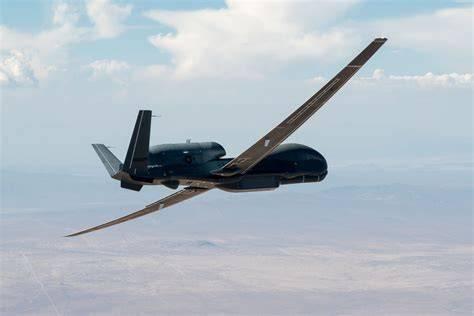
The RQ-4 Global Hawk was developed as a revolutionary step in military intelligence, surveillance, and reconnaissance (ISR) technology. Designed by Northrop Grumman to provide persistent high-altitude surveillance without placing a pilot inside the aircraft, the drone appeared to represent the future of affordable military aviation. However, decades after entering service, the Global Hawk has revealed an unexpected reality: its total operating costs can exceed those of the legendary Lockheed U-2 spy plane it was intended to replace.
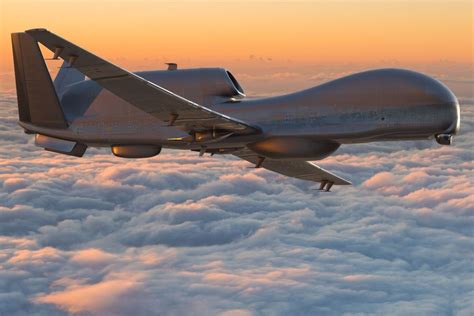
The assumption behind unmanned aircraft has always been straightforward. Removing the pilot should reduce expenses by eliminating cockpit systems, life-support equipment, training requirements, and risks associated with human crews. While this logic has proven accurate for many smaller unmanned platforms, the RQ-4 Global Hawk occupies a very different category. It is not a simple remote-controlled aircraft but a highly sophisticated strategic reconnaissance system requiring advanced sensors, satellite communications, ground infrastructure, and large support teams.
The result is a complicated cost picture. The Global Hawk delivers capabilities that are difficult for traditional aircraft to match, including more than 30 hours of endurance and the ability to monitor enormous geographic areas continuously. Yet those advantages come with significant financial demands. In some calculations, the Global Hawk’s complete life-cycle cost has exceeded expectations and challenged the idea that unmanned aircraft are automatically cheaper than crewed platforms.
The RQ-4 Global Hawk’s Mission and Advanced Capabilities
The RQ-4 Global Hawk was created to provide the United States Air Force with a high-altitude, long-endurance ISR platform capable of collecting intelligence across vast regions. Unlike fighter aircraft designed for speed or combat maneuverability, the Global Hawk focuses entirely on observation, detection, and information gathering.
The aircraft can operate at altitudes reaching approximately 65,000 feet (19,812 meters) and has an endurance exceeding 30 hours. With a range of around 10,000 nautical miles (18,520 kilometers), the drone can travel across continents and remain on station for extended periods while collecting intelligence.
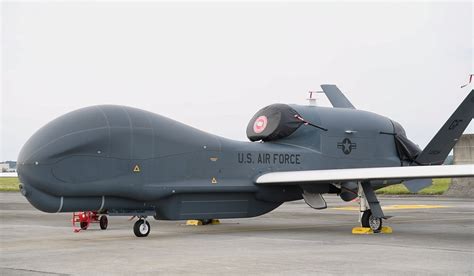
The latest operational variant, the Block 40 Global Hawk, represents the most advanced version currently operated by the US Air Force. It incorporates the Multi-Platform Radar Technology Insertion Program (MP-RTIP) radar system, an active electronically scanned array (AESA) sensor designed to provide commanders with detailed battlefield information.
The MP-RTIP system combines two important capabilities. Its Moving Target Indicator (MTI) function can identify and track moving vehicles and other ground targets, while its Synthetic Aperture Radar (SAR) capability can create highly detailed images regardless of darkness, cloud cover, or weather conditions.
These technologies allow military planners to maintain continuous awareness of hostile movements, infrastructure changes, and emerging threats. The Global Hawk has supported operations in regions including Iraq, Afghanistan, North Africa, and the Asia-Pacific, accumulating more than 320,000 flight hours in military service.
The aircraft’s greatest strength is persistence. A traditional reconnaissance aircraft may collect information during a limited mission window before returning to base. The Global Hawk can remain airborne for an entire day or longer, creating a continuous intelligence picture that improves decision-making for commanders.
Why the U-2 Spy Plane Remained Competitive
The idea of replacing the U-2 Dragon Lady was based on the expectation that unmanned technology would provide similar intelligence capabilities at a lower cost. However, the U-2’s remarkable efficiency has made it difficult to replace.
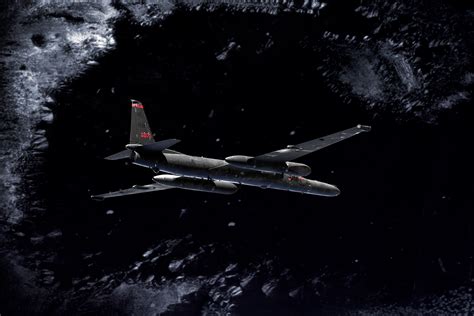
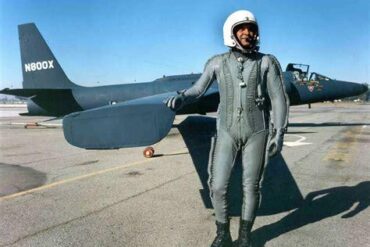
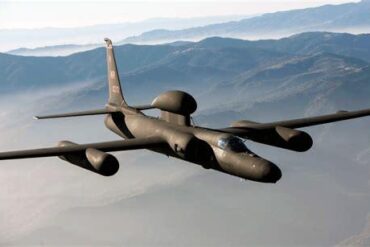
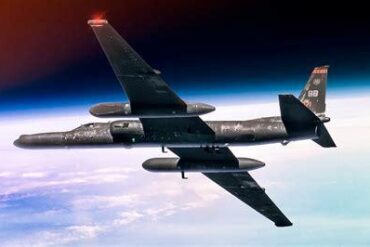
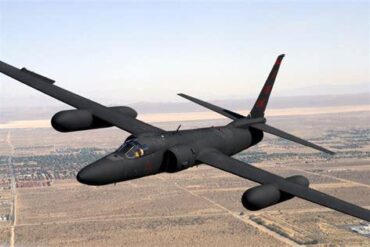
The U-2 entered service in 1956 and became one of the most recognizable reconnaissance aircraft in aviation history. Built by Lockheed Martin, the aircraft gained worldwide attention during the Cold War because of its ability to fly at extreme altitudes beyond the reach of many enemy air defenses.
Although the aircraft design is decades old, continuous upgrades have kept the U-2 relevant. Modern versions are equipped with advanced electro-optical cameras, infrared sensors, synthetic aperture radar, signals intelligence systems, and network communication equipment.
The U-2 typically operates missions lasting around 10 to 12 hours, significantly shorter than the Global Hawk’s endurance. However, its shorter mission duration does not necessarily translate into higher costs. According to historical US Air Force estimates, both the U-2 and Global Hawk had operating costs of roughly $32,000 per flight hour.
This means the Global Hawk’s higher mission cost was largely caused by its ability to remain airborne much longer. A typical 20-hour Global Hawk mission was estimated at approximately $640,000, around twice the cost of a shorter U-2 mission.
The comparison demonstrates an important point: the cost of a reconnaissance platform depends not only on hourly expenses but also on how the aircraft is used.
The Hidden Costs Behind the Global Hawk Drone
One of the biggest surprises surrounding the RQ-4 Global Hawk is that removing the pilot did not eliminate the need for extensive human involvement. The aircraft still requires trained operators, mission planners, maintenance crews, intelligence analysts, and satellite communication specialists.
A Global Hawk mission involves pilots controlling the aircraft remotely from a Mission Control Element. Although the operator is not physically inside the aircraft, the mission still depends on highly skilled personnel.
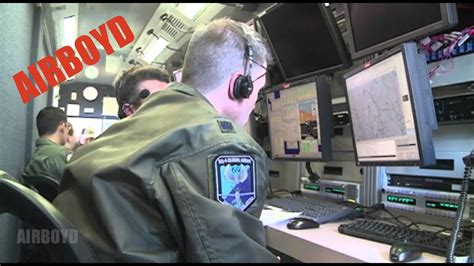
The aircraft’s advanced sensor package also contributes significantly to operating expenses. Unlike simpler drones used for tactical surveillance, the Global Hawk carries expensive radar and intelligence systems that require constant maintenance and upgrades.
A 2021 analysis by the Congressional Budget Office (CBO) estimated that the recurring operating cost of the RQ-4 averaged approximately $18,700 per flight hour between 2014 and 2018. However, when acquisition expenses, expected service life, and fleet losses were included, the life-cycle cost increased to approximately $35,200 per flight hour.
These additional costs changed the economic equation. The drone’s purchase price, specialized equipment, infrastructure requirements, and limited fleet size meant that each flying hour carried a larger share of the overall investment.
Another challenge has been fleet attrition. Between 1994 and 2019, the Global Hawk experienced a higher loss rate compared with some expectations for unmanned aircraft. When fewer aircraft survive to generate flight hours, the original acquisition cost must be distributed across fewer missions, increasing the effective cost per hour.
Long Endurance Comes With a Higher Price
The Global Hawk’s cost disadvantage is closely connected to its greatest advantage: endurance.
A drone capable of staying airborne for more than 30 hours requires enormous amounts of logistical support. Long-duration missions demand extensive planning, communication links, maintenance cycles, and intelligence processing.
The U-2, by comparison, requires a human pilot but benefits from decades of operational experience and a mature support system. The aircraft has been refined through generations of upgrades, allowing it to deliver valuable intelligence without the same level of digital infrastructure required by the Global Hawk.
The Global Hawk is not simply replacing a pilot with automation. Instead, it has created an entirely new operating model involving remote pilots, satellite networks, ground stations, and data-processing systems.
This explains why the drone can be more expensive over its lifetime despite being unmanned. The absence of a cockpit does not remove the complexity of a modern strategic reconnaissance mission.
Why The US Air Force Still Values The RQ-4 Global Hawk
Despite its high costs, the RQ-4 Global Hawk remains a critical ISR asset for the US Air Force and allied nations. Military planners do not evaluate the aircraft only by financial efficiency because its strategic value extends beyond simple accounting.
The Global Hawk provides commanders with persistent intelligence coverage over areas where continuous monitoring is essential. In regions with rising military tensions, such as the Indo-Pacific, this capability has become increasingly important.
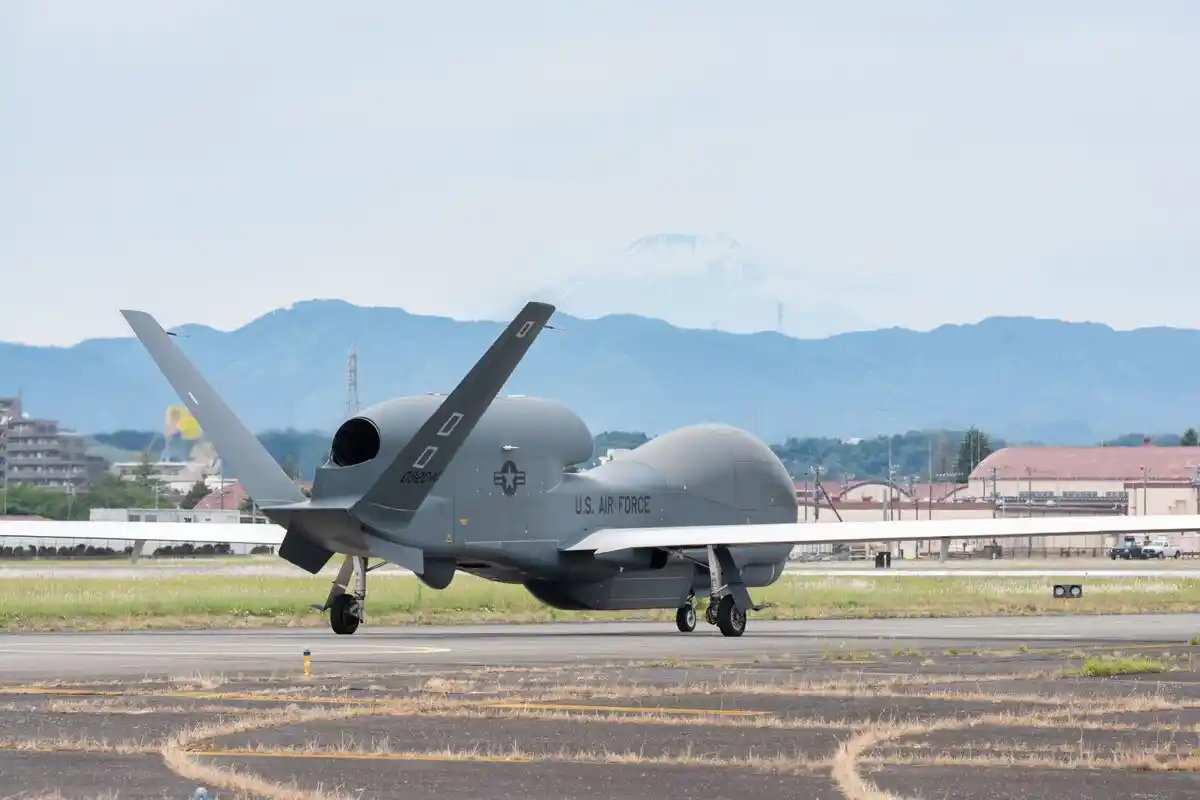
The US Air Force has deployed Global Hawk aircraft to strategic locations, including Japan, where the platform supports surveillance operations across some of the world’s most contested regions. From bases closer to potential areas of conflict, the aircraft can spend more of its endurance collecting intelligence rather than traveling long distances.
Its ability to monitor maritime activity, missile developments, military exercises, and changes on the battlefield gives decision-makers access to information that would be difficult to obtain through shorter missions.
The Global Hawk also works alongside satellites and other intelligence platforms. Instead of replacing every existing reconnaissance system, it fills a specific role by providing flexible, persistent coverage.
The Global Hawk Shows That Cheaper Technology Is Not Always Cheaper
The story of the RQ-4 Global Hawk drone challenges a common assumption about military technology: that unmanned automatically means inexpensive.
The aircraft has delivered extraordinary ISR capabilities and has transformed how modern militaries collect intelligence. However, its sophisticated sensors, remote-control infrastructure, long missions, and life-cycle expenses have made it more costly than many originally expected.
The U-2 Dragon Lady remains a remarkable example of engineering efficiency, proving that an older aircraft can continue to compete with newer technology when supported by decades of upgrades and operational experience.
Ultimately, the Global Hawk’s value cannot be measured only by its operating cost. Its ability to remain airborne for more than a day, monitor huge areas, and provide near-real-time intelligence gives it strategic importance. The aircraft may not have delivered the cost savings once predicted, but it has provided capabilities that few other platforms can match.
The lesson from the Global Hawk program is clear: in advanced military aviation, performance, persistence, and information superiority often matter more than simply reducing the price of each flight hour.