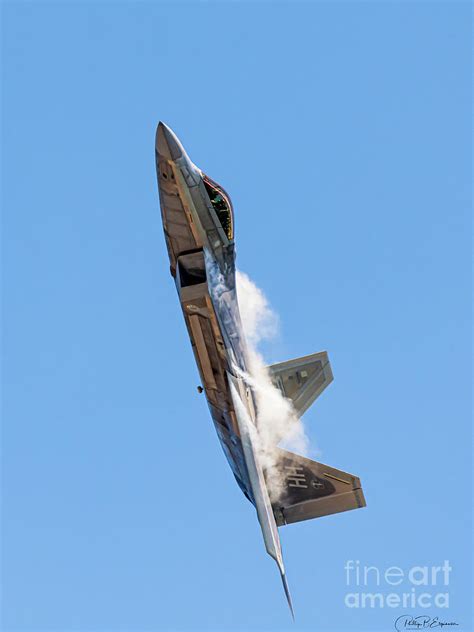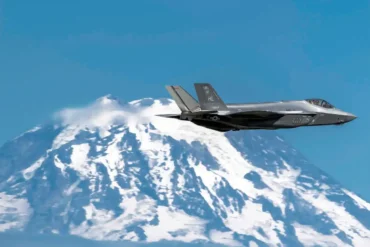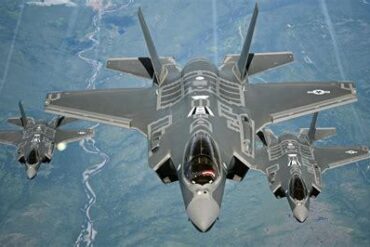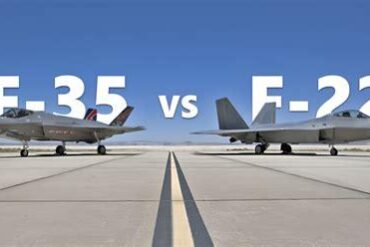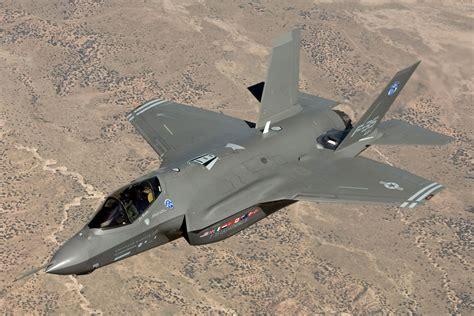
The Lockheed Martin F-22 Raptor remains an enduring symbol of unmatched air superiority, representing decades of cutting-edge aerospace engineering. Introduced in 2005, the Raptor was conceived to achieve total dominance in hostile airspace, a mission that demanded technological innovation far ahead of its time. Its ability to combine stealth, supercruise, agility, and sensor fusion established a standard for air combat excellence that few modern fighters can match. Yet, this supremacy comes at an extraordinary price. Operating the F-22 costs roughly $85,000 per flight hour, nearly double the $44,000 per hour associated with the F-35A Lightning II. This stark contrast highlights the consequences of design philosophy, production scale, and lifecycle maintenance decisions that continue to burden the United States Air Force.
The F-22’s genesis in the late Cold War era prioritized performance above cost. During the Advanced Tactical Fighter competition of the 1980s and early 1990s, the Air Force placed a premium on stealth, high-speed maneuverability, and unmatched situational awareness. Cost-efficiency was not a consideration; achieving air superiority against the most sophisticated adversaries was the sole objective. The resulting aircraft incorporated highly specialized technologies, each designed with tight manufacturing tolerances and exacting standards. Unlike the F-35, which was conceived as a multirole platform intended for global export and mass production, the F-22 remained an exclusive, highly focused air superiority fighter. Its engines, airframe, and stealth coatings were all engineered for performance, not affordability.
Stealth maintenance is a major factor driving the Raptor’s high flight-hour costs. The aircraft’s radar-absorbent coatings degrade under exposure to high-speed flight, temperature extremes, and environmental factors such as humidity and salt air. Maintaining these coatings requires climate-controlled hangars, highly skilled technicians, and labor-intensive inspection processes. Defense reporting notes that stealth-related upkeep historically accounts for approximately one-third of all maintenance activities for the F-22. Beyond the stealth system, the Pratt & Whitney F119 engines, which enable sustained supersonic flight without afterburners, contribute significantly to operational costs. These engines demand meticulous attention, rigorous inspections, and specialized servicing to maintain performance and reliability. The emphasis on capability over cost is evident in every component of the aircraft, resulting in maintenance labor hours ranging from 10 to 30 per flight hour.
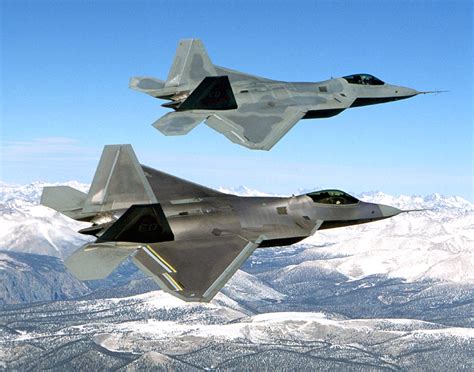
The Raptor’s small fleet size exacerbates the economic challenge. Initially, the Air Force planned to procure over 700 F-22s, but production ended after just 195 aircraft, with roughly 178 currently operational. A limited production run eliminates the benefits of economies of scale. Parts must be manufactured in small batches, driving costs higher, while suppliers have little incentive to maintain production lines for such a boutique fleet. This scarcity impacts everything from spare components to specialized maintenance tools, increasing both cost and downtime. By contrast, the F-35 benefits from a production base exceeding 1,000 aircraft across multiple variants, with ongoing orders from allied nations. This global scale allows sustainment costs, including maintenance training, logistics, and software updates, to be distributed across a far larger number of airframes, reducing per-unit expenses.
Fleet size also affects operational readiness. Limited parts availability or extended depot maintenance can reduce the number of operational F-22s at any given time. As airframes age, these constraints worsen. Aging structural components, obsolete electronics, and niche manufacturing requirements all demand increased labor and financial investment. The Air Force is essentially sustaining a highly specialized, boutique fleet—a strategy that, while effective in capability terms, is inherently expensive.
The F-22’s labor-intensive maintenance regime further amplifies operational costs. Unlike later stealth aircraft, the Raptor was designed without the advantage of decades of stealth experience. Its coatings and low-observable features were cutting-edge at introduction, but they were not optimized for long-term operational durability. Even minor surface wear can compromise the aircraft’s radar signature, necessitating meticulous repairs. Environmental factors like moisture, sand, and heat accelerate degradation, requiring constant monitoring and labor-intensive maintenance cycles. The F-35, benefiting from lessons learned from the F-22 and previous stealth platforms such as the F-117 Nighthawk, uses more resilient coatings and streamlined repair protocols. This reduces labor per flight hour, contributing to lower operating costs.
The F-35 program was strategically developed with sustainment efficiency as a core principle. Recognizing that operating costs would determine program viability, Lockheed Martin and the Pentagon emphasized modular systems, onboard diagnostics, and simplified maintenance procedures. These features allow the F-35 to detect potential issues before they escalate, minimizing unscheduled downtime and reducing the labor required per flight hour. The aircraft’s single-engine configuration also improves fuel efficiency and decreases engine maintenance compared to the twin-engine F-22, while the global sustainment network involving allied operators further spreads costs and ensures steady access to spare parts.
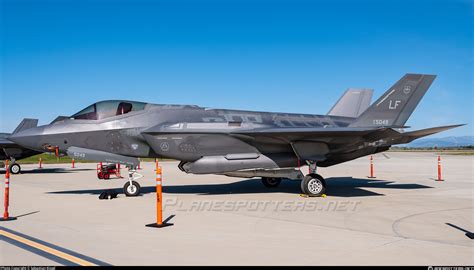
Aging and obsolescence contribute substantially to the F-22’s elevated flight-hour costs. With most airframes approaching two decades of service, structural fatigue, parts wear, and outdated systems necessitate increasingly complex maintenance. The closure of the production line in 2011 further compounds these challenges. As suppliers of specialized components diminish or vanish, the Air Force must invest heavily to maintain a viable supply chain. Sustaining older airframes demands retrofitting, upgrading avionics, fuel systems, sensors, and engines to maintain combat effectiveness. These efforts are essential because the F-22 continues to provide unmatched air-to-air combat capabilities, even in an era when fifth-generation multirole fighters like the F-35 are operational. The Air Force faces the strategic dilemma of balancing investments in aging Raptors with funding for next-generation programs, such as the Next Generation Air Dominance initiative, designed to eventually succeed the F-22 in its primary air superiority role.
Stealth system intricacy, labor-intensive inspections, and unique airframe requirements converge to create a maintenance ecosystem that is significantly more expensive than that of the F-35. Reports indicate that the F-22’s mission-capable rate dropped to roughly 40% in fiscal year 2024, illustrating how intensive upkeep and limited parts availability reduce operational readiness. Each additional maintenance hour directly inflates the per-flight-hour cost. Fuel, labor, spare parts, and inspection procedures combine to generate the $85,000 per hour figure, a price that reflects both the Raptor’s technological sophistication and the scarcity of its operational fleet.
Comparatively, the F-35’s design philosophy integrates scalability and affordability. By contrast to the boutique F-22 fleet, the F-35 program leverages multinational collaboration, shared supply chains, and modular systems to reduce long-term operational expenditures. The aircraft’s single-engine design improves fuel efficiency while maintaining sufficient combat capability across air-to-air, air-to-ground, and intelligence, surveillance, and reconnaissance (ISR) missions. These design choices, alongside a concerted focus on lifecycle sustainment, allow the F-35 to achieve substantial cost savings relative to the Raptor. Even as the F-35 program contends with growing pains and sustainment challenges, it operates at roughly half the cost per flight hour of the F-22.
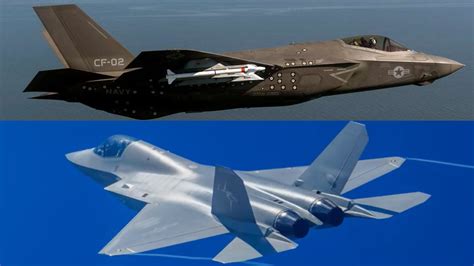
Beyond maintenance and fleet size, the F-22’s engineering complexity contributes to cost escalation. Every component, from the flight control systems to avionics and engine integration, was optimized for peak performance rather than maintainability. The tight manufacturing tolerances and extensive use of advanced materials, including titanium and radar-absorbing composites, create repair and replacement challenges. When a part wears or fails, it is often impossible to substitute with an off-the-shelf component. Specialized fabrication or refurbishment is required, inflating both cost and time needed to return the aircraft to service.
Training requirements for pilots and maintenance personnel also affect operational costs. The F-22’s highly sophisticated avionics, stealth systems, and supercruise capabilities necessitate intensive training programs. Technicians must be experts in radar-absorbent material application, engine diagnostics, and airframe inspection protocols. Pilots require extensive simulation and live-flight training to maximize the aircraft’s capabilities safely. While these investments ensure superior operational performance, they also contribute to the overall cost-per-flight-hour metric. The F-35, benefiting from lessons learned from the Raptor program, integrates training and maintenance efficiencies into its design, further reducing long-term operating costs.
The supply chain fragility inherent in the F-22 program is another cost driver. Limited spare parts, niche suppliers, and the aging nature of the aircraft’s components create delays and increased procurement costs. Even routine repairs can become expensive when specialized manufacturing or refurbishment is necessary. In contrast, the F-35 benefits from a robust, globally integrated supply chain, with multiple production lines and supplier networks across the United States, Europe, and Asia. This scale enables rapid part replacement, reduces bottlenecks, and lowers overall operational expenses.
The F-22’s high operating cost is not simply a financial burden; it is a reflection of strategic priorities and historical context. The aircraft was designed during a period when the United States sought absolute air dominance, unconstrained by budget considerations. The Raptor’s unmatched agility, stealth, and supercruise capabilities continue to provide a critical edge in air combat, particularly against peer adversaries. Every dollar spent maintaining and operating the F-22 buys superior capability, reliability in high-threat environments, and the reassurance of technological supremacy. Conversely, the F-35’s emphasis on affordability, modularity, and multinational sustainment reflects a different strategic calculation: operational versatility and cost efficiency for widespread deployment.
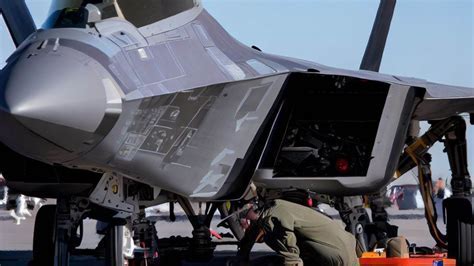
Looking ahead, the F-22’s expense is likely to persist as long as the fleet remains operational. While ongoing upgrades—ranging from engine improvements to avionics modernization—help maintain combat effectiveness, they also add to cumulative lifecycle costs. The Air Force faces a balancing act: sustaining a boutique fleet of technologically superior aircraft while preparing for future platforms that promise both capability and efficiency. The Next Generation Air Dominance initiative, for example, aims to build aircraft capable of supplanting the Raptor in air superiority roles while benefiting from modern sustainment design principles that reduce long-term costs. Until such systems enter service, the F-22’s flight-hour costs will remain a significant but unavoidable component of U.S. air power strategy.
In essence, the disparity in flight-hour costs between the F-22 Raptor and the F-35A Lightning II stems from a combination of design philosophy, production scale, maintenance complexity, and aging infrastructure. The F-22 represents an era when absolute capability outweighed affordability, producing an aircraft whose operational excellence comes at a steep price. Its small fleet, labor-intensive maintenance, specialized supply chains, and aging airframes contribute to the $85,000 per flight hour figure, reflecting both the challenges of sustaining elite technology and the enduring value of unmatched air superiority. The F-35A, in contrast, was designed with sustainment efficiency, scalability, and cost management at its core, yielding a modern multirole fighter capable of global deployment at a substantially lower operational expense. Understanding this contrast offers insight not only into military aviation economics but also into how strategic priorities shape aircraft design and operational sustainability over decades.
Ultimately, the F-22 Raptor’s high flight-hour cost is the price of building an aircraft optimized for dominance in air combat rather than affordability. While the F-35 offers broader operational flexibility and lower per-hour costs, the Raptor remains the United States Air Force’s premier air superiority asset. Every flight hour purchased represents the assurance of tactical advantage, technological supremacy, and unparalleled capability in the skies—a testament to decades of aerospace innovation and strategic foresight.