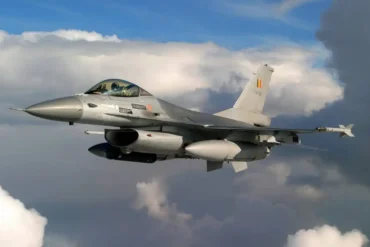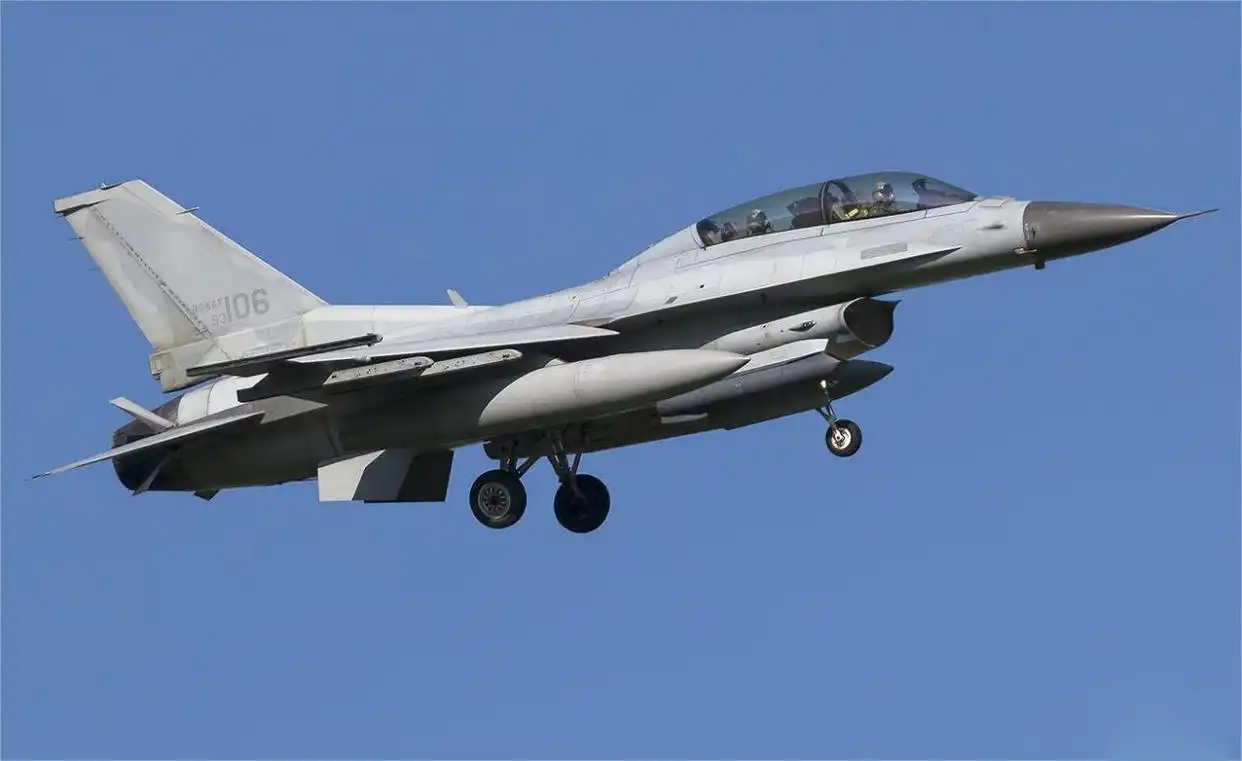
The F-16 Fighting Falcon remains one of the most iconic, versatile, and widely deployed combat aircraft in the world. Over decades, it has proved its worth not just in air superiority roles but also in ground attack, multirole operations, and advanced training. Among the countries operating this jet, a few stand out for the sheer size of their fleets, the degree of modernization applied to their aircraft, and the strategic roles those jets fulfill. This article examines which country has the biggest F-16 fleet, details the leading operators, explores modernization trends, and explains how geopolitical and operational factors shape fleet size and capability.
United States: Unmatched F-16 Fleet Size and Capability
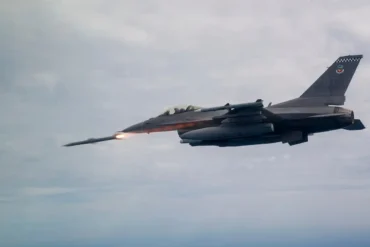
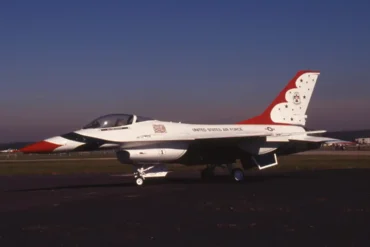
No nation comes close to the United States when it comes to the number of F-16s in active service. The U.S. Air Force and the Air National Guard together operate approximately 875–936 F-16 aircraft. These jets are among the backbone of America’s tactical aviation, operating across multiple variants including the F-16C/D and the upgraded F-16V. Deployed in both continental bases and overseas forward operating locations, these aircraft perform a vast spectrum of missions: air interdiction, close air support, training, suppression of enemy air defenses (SEAD), and homeland defense.
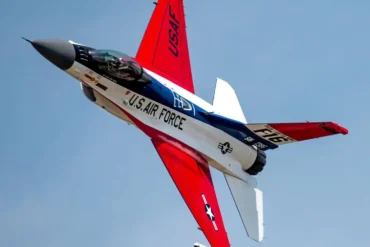
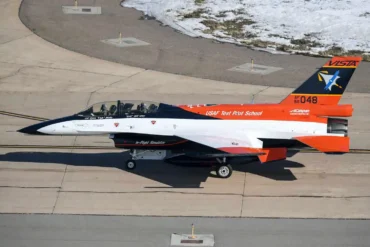
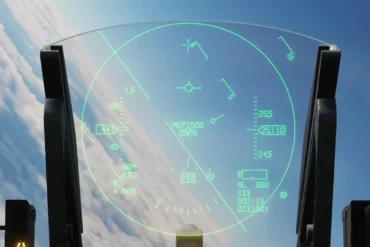
Modernization is a key theme. The F-16V variant is being rolled out with advanced Active Electronically Scanned Array (AESA) radars, improved avionics, enhanced electronic warfare systems, and upgraded flight control software. Although replacements such as the F-35 Joint Strike Fighter are gradually assuming some roles, the F-16 fleet is expected to remain active well into the 2040s. Its adaptability, cost-effectiveness, and proven performance ensure that it remains central in U.S. force structure planning.
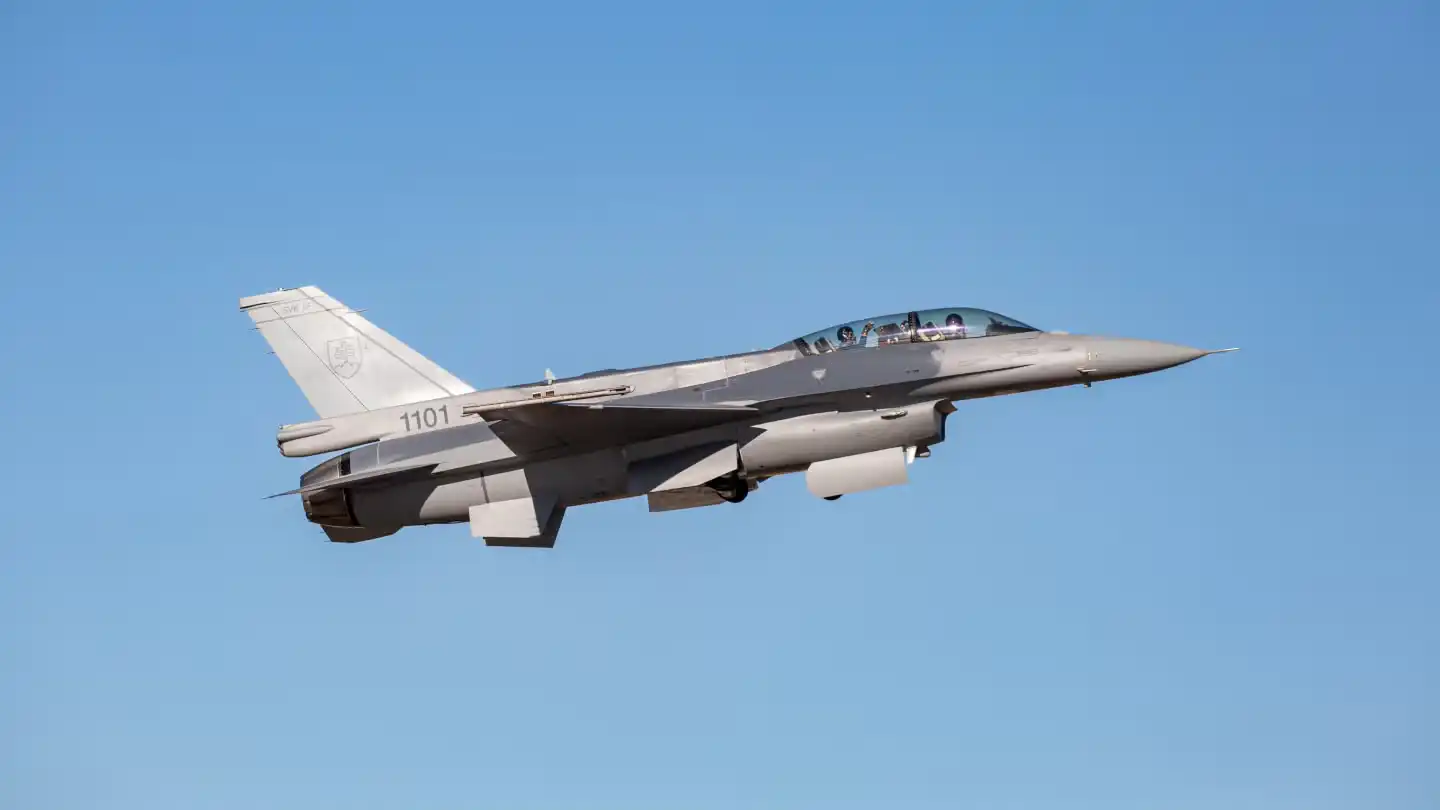
Turkey: A Major Power with Modernized F-16s
Turkey possesses the second-largest fleet of F-16s globally, with approximately 238–260 active aircraft. The fleet consists primarily of F-16C/D models, many of which have undergone extensive modernization. Turkish defense industry efforts have focused on integrating locally developed avionics, indigenous weapon systems, and upgrades to communication, navigation, and attack capabilities. These modifications give Turkey a more independent edge in sustainment and operations compared to operators that rely more heavily on foreign supply chains.
Strategically, Turkey’s F-16s play important roles in regional deterrence, border security, air policing, and coalition operations. Their large numbers provide redundancy, and regular upgrades have kept many of the older models viable alongside newer jets. Given Turkey’s geography—bordering several volatile regions—the fleet remains a core pillar of both conventional deterrence and force projection.
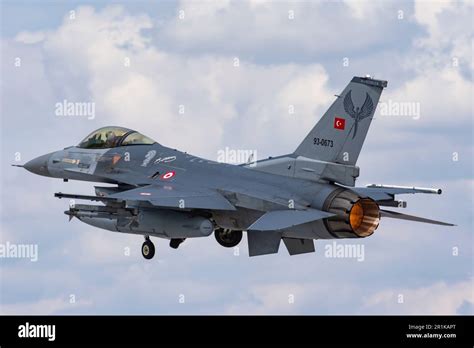
Israel: Customized, Combat-Proven, Specialized F-16 Fleet
Israel operates approximately 223–224 F-16s, placing it among the top three largest operators in the world. What sets the Israeli F-16I “Sufa” apart is not just its numbers but the degree of customization and combat experience. These aircraft are fitted with Israeli-developed avionics suites, conformal fuel tanks for extended range, and advanced electronic warfare (EW) capabilities. The fleet has also been battle tested repeatedly, giving Israel unique operational experience in missile defense, asymmetric warfare, and precision strike operations.
The Israeli fleet is optimized both for conventional conflicts and irregular threats. Upgrades to sensors, targeting pods, communication links, and self-protection systems enable high survivability and mission flexibility. Although Israel also procures and operates other advanced aircraft, its F-16 force remains a cornerstone of regional air power.
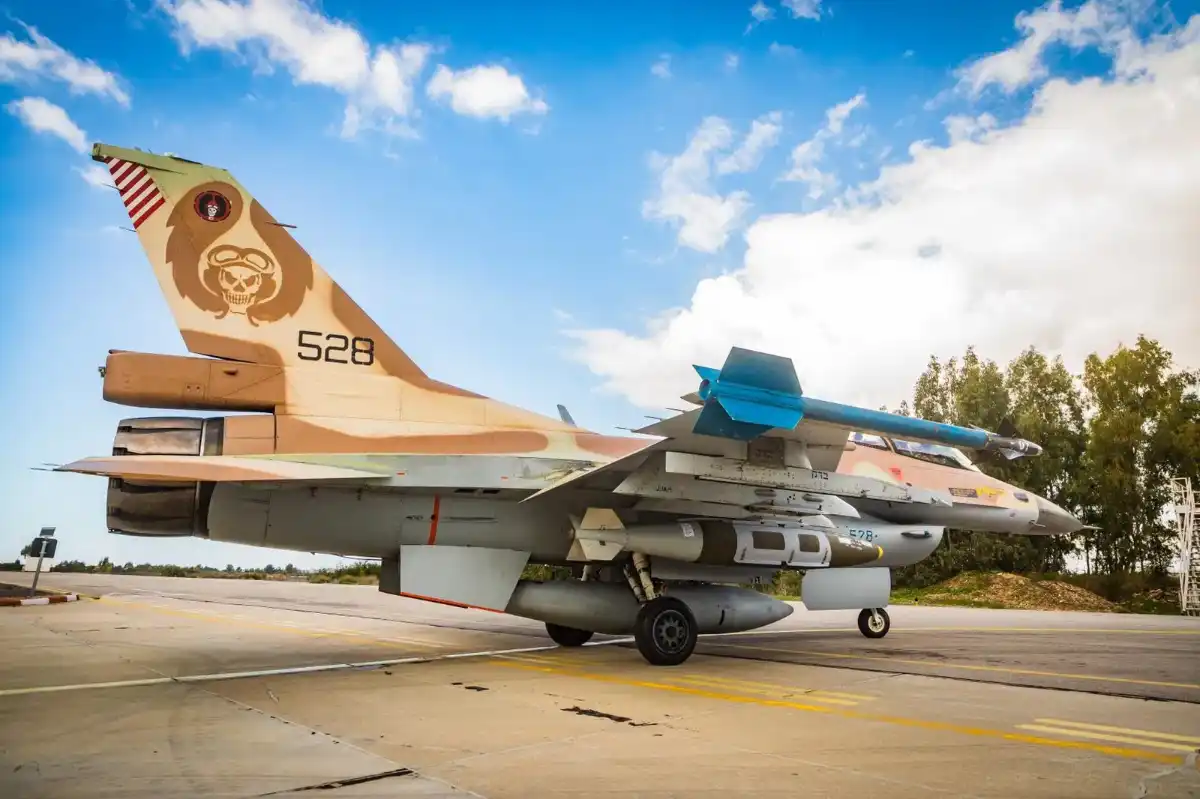
Egypt: Large Fleet, Strategic Constraints, and Geographic Importance
With approximately 218 active F-16s, Egypt maintains one of the largest fleets in the Middle East. The Egyptian Air Force uses its F-16s in air defense, border security, and counterterrorism operations, particularly in the Sinai region and western deserts. Much of Egypt’s fleet consists of F-16C/D models, and though modernization has been pursued, it has been constrained by geopolitical factors, procurement restrictions, and challenges in equipment sourcing.
Despite those constraints, Egypt remains committed to maintaining its F-16s in operational condition. Upgrades to avionics, weapons carriage, and training programs have been implemented where possible. The fleet’s size gives Egypt significant deterrence capability, though older airframes and limited access to cutting-edge technology in some sectors reduce their potential relative to U.S., Turkish, or Israeli forces.
South Korea: Hybrid Fleet and Modernization to F-16V Standard
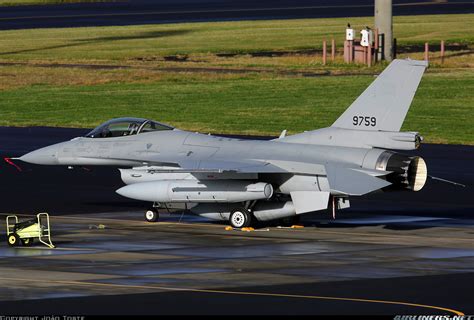
South Korea operates approximately 167–180 F-16s, including both original U.S.-built models and locally assembled KF-16s. Their fleet is undergoing a systematic upgrade to the F-16V standard, which includes AESA radar systems, enhanced electronic warfare suites, modern mission computers, and improved cockpit and avionics systems—to ensure compatibility with modern weapon systems and common operating architectures used by allied nations.
Situated in a high-tension theater, South Korean F-16s conduct air defense, maritime patrol, joint exercises, and readiness operations. Their operations are often closely coordinated with U.S. assets, reinforcing regional deterrence. While raw numbers are less than in the United States or Turkey, the level of modernization in the South Korean fleet ensures high effectiveness per jet.
Greece, Taiwan, Pakistan, UAE, Singapore – Other Notable Operators
Beyond the top five, several countries maintain significant F-16 fleets, each with their own strategic considerations:
- Greece operates between 152–170 F-16s. Given its geography—with multiple islands, contested airspace in the Eastern Mediterranean, and proximity to other regional air forces—Greece’s fleet is key to air policing, deterrence, and defense. Upgrades to radar, avionics, and weaponry have kept many of its aircraft effective in modern operations.
- Taiwan currently operates around 138 F-16s with an additional 66 on order. Taiwan’s fleet is expected to grow and modernize toward F-16V Block 70/72 standards. Given the strategic pressure it faces, particularly from mainland China, the Taiwanese F-16 force is maintained at high readiness, including training, mission system upgrades, and advanced weapons integration.
- Pakistan fields about 75 F-16s. Though its fleet is smaller, it has seen combat in regional conflicts, and its jets are integral to its defense strategy. Modernization has been uneven but recent upgrades aim to maintain effective mission readiness.
- United Arab Emirates (UAE) operates approximately 76 F-16s. These serve in air defense, coalition operations, and national deterrence. The UAE has acquired upgraded blocks, and in some cases advanced sensor and weapons packages to enhance performance.
- Singapore maintains 60–62 F-16s. Given Singapore’s limited airspace and high standards for training, maintenance, and mission systems, its F-16s are among the best maintained. Upgrades emphasize precision, sensor fusion, networked operations, and integration with other regional and U.S. systems.
Global Numbers: Total Active F-16s and Fleet Modernization Trends
Around 3,100+ F-16s are in active service across 28 countries as of 2024. This makes the Fighting Falcon the most widely deployed combat jet globally. While exact totals vary due to decommissioning, losses, and acquisition schedules, the number remains high because many nations continue to order new aircraft and upgrade existing ones. The Block 70/72 (F-16V) variants are at the center of recent procurement decisions, offering advanced capabilities including AESA radars, improved cockpit ergonomics, updated avionics, and enhanced electronic warfare defenses.
Modernization is not uniform. Some countries have invested heavily in upgrades and sustainment; others face budgetary and geopolitical constraints. Equipment transfer restrictions, lack of indigenous industry, or age of existing aircraft limit upgrade opportunities for a few operators. Still, the trend is clear: more nations are moving toward modernized variants capable of integrating with fifth-generation systems, even where fleet sizes are modest.
Factors Influencing Fleet Size: Operational Needs, Budget, and Strategic Posture
Several factors determine why some nations possess large F-16 fleets while others have smaller ones, regardless of the jet’s availability globally.
Operational requirements vary. Nations with large airspace, multiple threat vectors, or volatile borders demand larger fleets to cover air patrol, quick reaction alerts, and multiple mission types. Countries with obligations to international alliances or coalition operations often maintain redundancies and higher readiness.
Budget is a central limiting factor. Acquisition costs, maintenance, upgrades, and operational expenses such as fuel, training hours, spare parts, and infrastructure all add up. Some operators receive foreign military sales discounts, aid, or offset agreements; others must pay full price. This affects both number of jets acquired and pace of modernization.
Strategic posture and regional security environment influence decisions. Nations under constant threat or with neighboring states with strong air forces tend to invest more. Those in relatively secure areas may deprioritize large fleets or focus more on quality over quantity.
Industrial capacity and access are also key. Countries with domestic aerospace industries can perform more upgrades locally, produce parts, or even carry out licensed manufacturing (as with South Korea’s KF-16s). Others must rely fully on external suppliers and risk delays from political or logistical issues.
Future Outlook: Orders, Retirement, and the Role of the F-16 in the Coming Decades
Several countries are currently placing new orders for F-16 Block 70/72 models. Taiwan, Bulgaria, Slovakia, and others are committed to expanding or renewing their fleets. As fifth-generation fighters become more widespread, the F-16 will increasingly occupy roles as a multirole workhorse, training platform, and force multiplier rather than as frontline superiority jet in high contention airspaces.
Retirements will gradually reduce fleet sizes in some nations. Older non-upgraded airframes are being phased out. Replacement aircraft will often reflect lower operational costs, better sensor fusion, stealth features, or network-capable systems. However, because the F-16 has been designed with continuous upgrade potential, many fleets will remain relevant well beyond what was once expected.
Geopolitical changes could accelerate or slow procurement and modernization. Sanctions, shifting alliances, military assistance, defense industry growth, or decline—all will affect how large fleets are kept, improved, or replaced.
Conclusion: Who Truly Has the Biggest F-16 Fleet?
Considering both quantity and capability, the United States maintains by far the biggest and most capable F-16 fleet in the world. Turkey follows with the second-largest number of aircraft, bolstered by domestic upgrades and strong regional presence. Israel’s fleet, though slightly behind Turkey in numbers, rivals it in operational capability due to its specialized variants and extensive combat experience. Egypt and South Korea round out the top five, each with large numbers and ongoing modernization efforts.
While fleet size matters, capability, modernization, operational readiness, and strategic relevance are essential to assessing true air power. Nations that combine large numbers with cutting-edge upgrades will continue to command air superiority with the F-16 well into the mid-21st century.
By comparing fleet sizes, modernization levels, and strategic contexts, it’s clear that the debate over “which country has the biggest F-16 fleet” is not just about numbers—it’s about how those aircraft are used, upgraded, and maintained for the challenges of modern warfare.