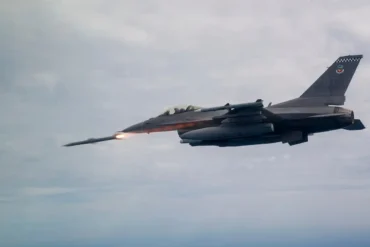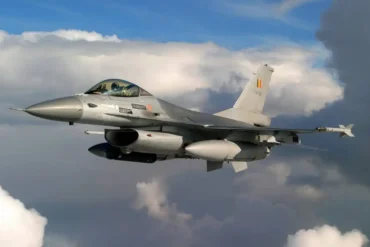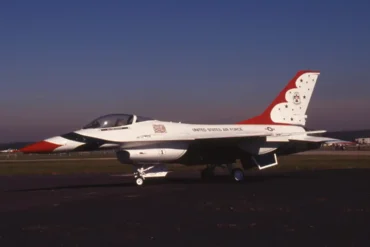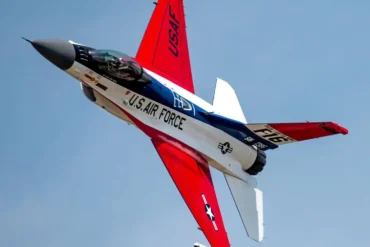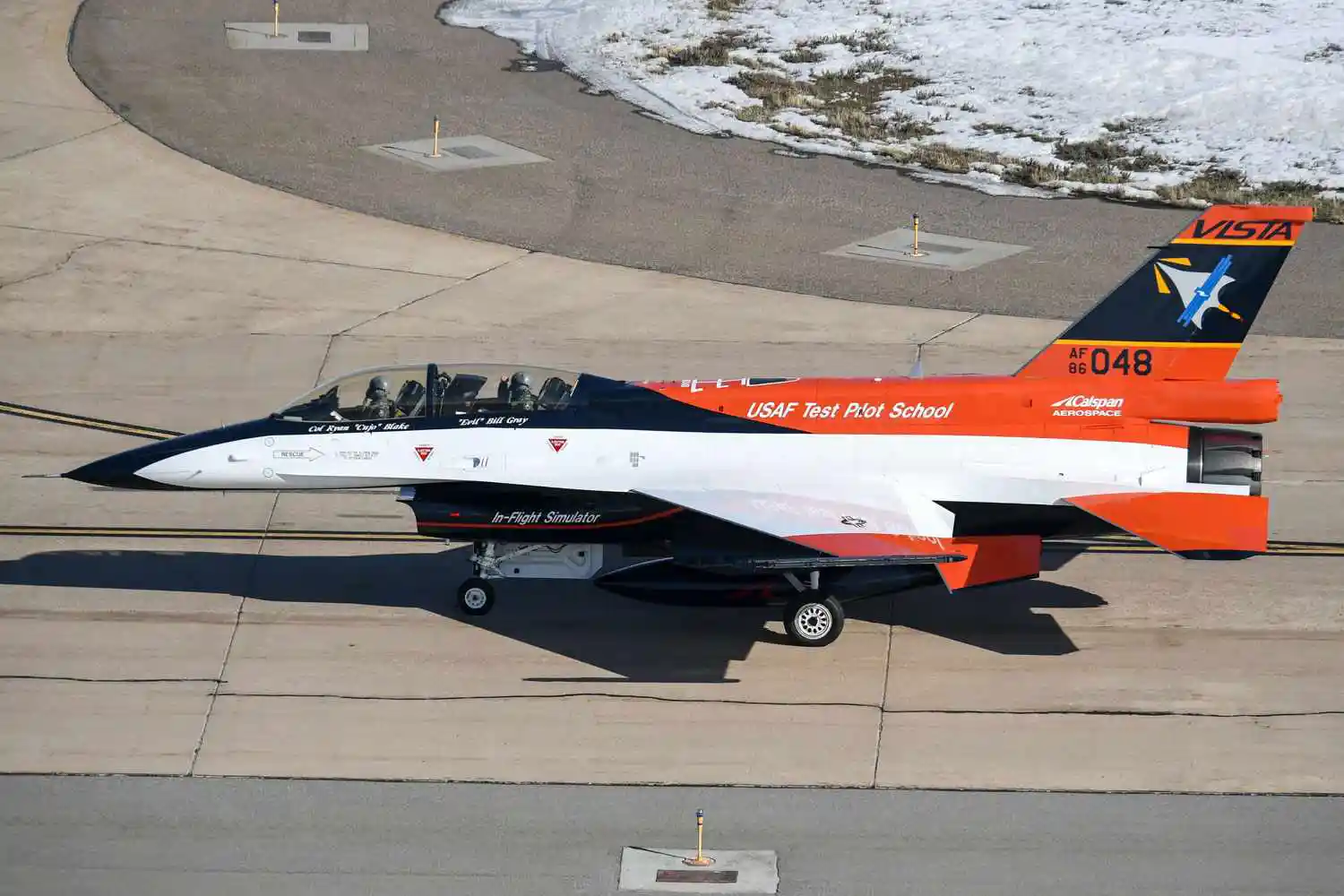
The evolution of military aviation has reached a pivotal juncture with the integration of artificial intelligence (AI) into existing fighter platforms. A prime example is the modification of the F-16 Fighting Falcon into an autonomous drone, enhancing its operational capabilities and redefining modern aerial warfare.
The F-16 Fighting Falcon: A Legacy of Excellence
Developed by General Dynamics, the F-16 Fighting Falcon has been a cornerstone of numerous air forces worldwide since its introduction in the late 1970s. Renowned for its versatility, agility, and combat-proven performance, the F-16 has undergone various upgrades to maintain its relevance in contemporary combat scenarios.

Initiating Autonomy: The VISTA Program
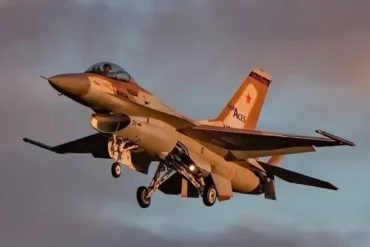
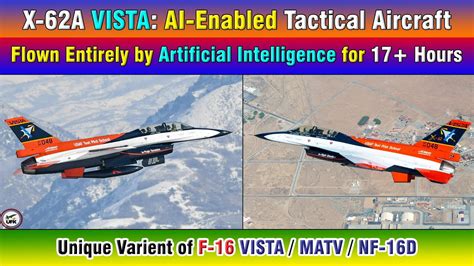
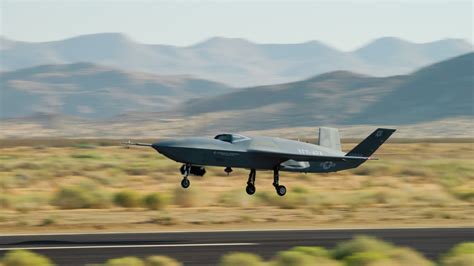
The journey toward autonomy began with the Variable Stability In-flight Simulator Test Aircraft (VISTA) program. This initiative involved modifying an F-16D to serve as a testbed for advanced flight control systems and AI integration. In June 2021, the aircraft was redesignated as the X-62A, marking its transition into a platform for testing autonomous capabilities. The X-62A’s modifications included a multi-axis thrust vectoring engine nozzle, enhancing control in post-stall situations and enabling supermaneuverability. These advancements laid the foundation for integrating AI into flight operations.
Project VENOM: Advancing Autonomous Capabilities
In April 2024, the U.S. Air Force unveiled Project VENOM (Viper Experimentation and Next-gen Operations Model), aiming to convert six F-16s into autonomous aircraft. This project focuses on equipping these fighters with AI-driven flight control systems, enabling them to execute missions without human intervention. The autonomous F-16s are designed to operate alongside manned aircraft, acting as force multipliers in complex combat environments. Their roles encompass high-risk missions such as suppression of enemy air defenses and reconnaissance, thereby reducing the risk to human pilots.
Technological Milestones: AI in Aerial Combat
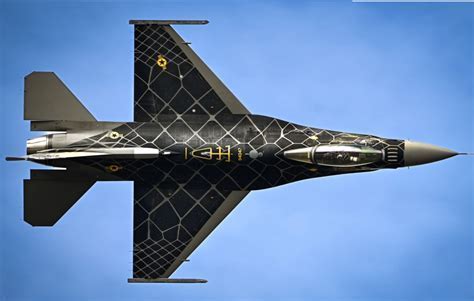
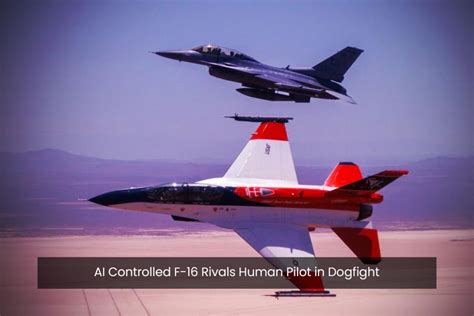
The integration of AI into the F-16 platform has led to significant milestones. In May 2024, an AI-piloted F-16 engaged in simulated dogfights against human pilots, demonstrating superior performance in close-quarters combat. These exercises validated the potential of AI to make split-second tactical decisions, enhancing the effectiveness of autonomous aerial platforms.
Manned-Unmanned Teaming: A New Paradigm
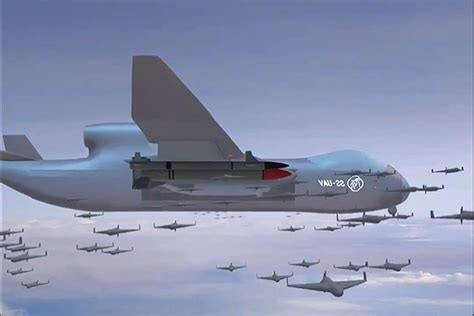
The concept of Manned-Unmanned Teaming (MUM-T) has emerged as a pivotal strategy in modern warfare. This approach involves seamless collaboration between manned aircraft and autonomous drones, leveraging the strengths of both to achieve mission objectives. In this framework, a single pilot can control multiple unmanned F-16s, directing them to perform tasks such as electronic warfare, surveillance, or precision strikes. This synergy enhances operational flexibility and force projection capabilities.
Collaborative Combat Aircraft: The Future Force
The development of Collaborative Combat Aircraft (CCA) represents the next evolution in autonomous aerial warfare. These platforms are designed to operate in conjunction with manned fighters, sharing sensor data and coordinating maneuvers to overwhelm adversaries. The autonomous F-16 serves as a precursor to purpose-built CCAs, providing valuable insights into AI integration, autonomous decision-making, and human-machine collaboration.
Ethical Considerations and Operational Challenges

The deployment of AI-controlled combat aircraft raises critical ethical and operational considerations. Ensuring that autonomous systems operate within established rules of engagement and adhere to international humanitarian law is paramount. The potential for unintended engagements necessitates robust fail-safes and human oversight mechanisms. Additionally, the reliability of AI in unpredictable combat scenarios remains a subject of ongoing research and testing.
Global Technological Competition
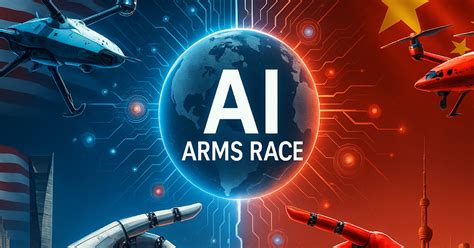
The integration of AI into military platforms has intensified global technological competition. Nations are investing heavily in AI research to gain strategic advantages in defense capabilities. The race to develop autonomous combat aircraft underscores the importance of technological superiority in maintaining national security and deterrence.
Conclusion
The transformation of the F-16 Fighting Falcon into an autonomous drone signifies a monumental shift in aerial warfare. Through programs like VISTA and Project VENOM, the integration of AI has enhanced the F-16’s capabilities, paving the way for advanced MUM-T operations and the development of CCAs. As these technologies evolve, addressing ethical considerations and ensuring operational reliability will be crucial in shaping the future of autonomous military aviation.
Frequently Asked Questions
1. What is the purpose of converting F-16s into autonomous drones?
The primary objective is to augment combat capabilities by deploying unmanned aircraft in high-risk missions, thereby minimizing the risk to human pilots. Autonomous F-16s can perform tasks such as surveillance, electronic warfare, and precision strikes, acting as force multipliers alongside manned aircraft.
2. How does AI enhance the performance of autonomous F-16s?
AI enables autonomous F-16s to process vast amounts of data in real-time, facilitating rapid decision-making and adaptive mission planning. This allows the aircraft to respond to dynamic combat environments, engage targets with precision, and operate effectively without direct human control.
3. What are the ethical implications of deploying AI-controlled combat aircraft?
The use of AI in combat scenarios raises ethical concerns regarding accountability, decision-making in lethal engagements, and adherence to international laws of armed conflict. Ensuring that autonomous systems operate within ethical frameworks and under appropriate human oversight is essential to address these challenges.