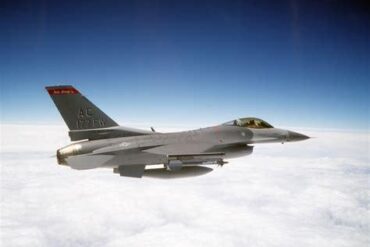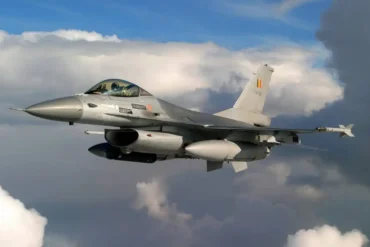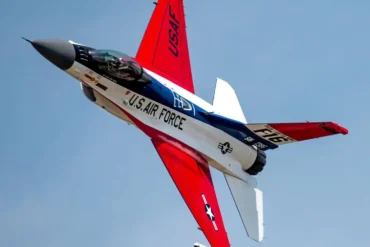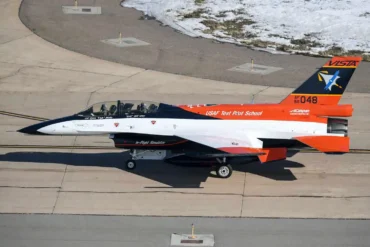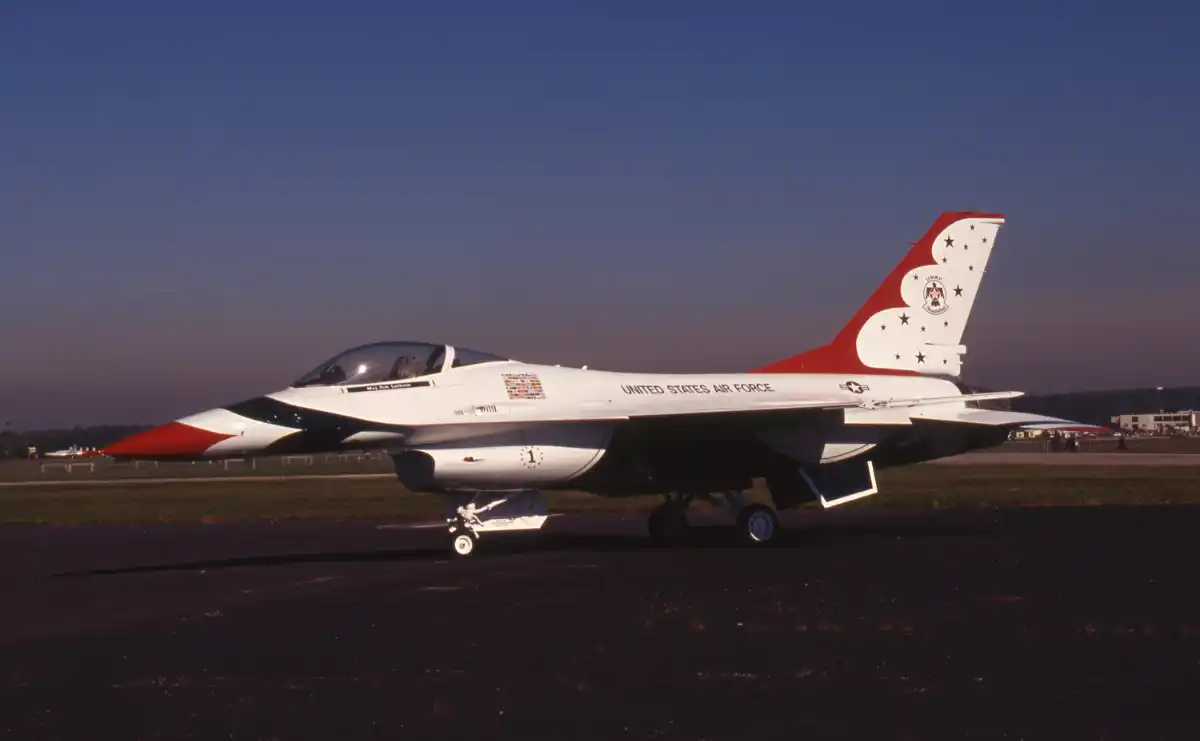
The F-16A Fighting Falcon stands as one of the most celebrated fighter aircraft in the annals of military aviation. Developed by the renowned General Dynamics—now part of Lockheed Martin—this single-seat, single-engine marvel has earned its reputation through its exceptional air superiority capabilities and impressive multirole versatility. Its legacy is underpinned by decades of continuous innovation, making it a symbol of advanced technology and combat readiness.
Basic Overview of the F-16A Fighting Falcon
Introduced into full-scale production in 1976, the F-16A Fighting Falcon was designed as a third-generation (or sometimes referred to as 3.5-generation) fighter aircraft. With a total production run exceeding 4,600 units, it has been exported to over 30 countries and regions, earning the nickname “International Fighter” for its global presence and operational impact.
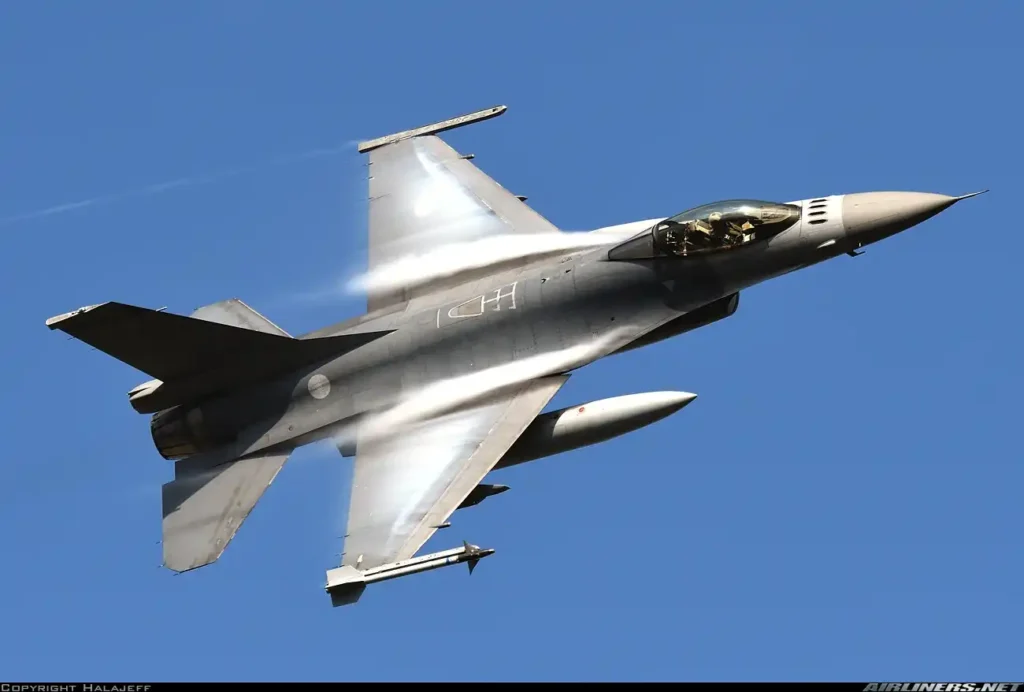
From its inception, the F-16A was intended to be a lightweight yet highly capable combat aircraft. It combined outstanding aerodynamic performance with advanced flight control systems that revolutionized maneuverability. These characteristics, paired with its impressive multi-role functionality, have allowed the aircraft to excel in both air-to-air combat and air-to-ground attack missions.
Design and Performance Features
The design philosophy behind the F-16A Fighting Falcon emphasizes agility, precision, and versatility. Its state-of-the-art engineering incorporates a range of innovative features that have set it apart from its contemporaries.
Aerodynamic Innovations
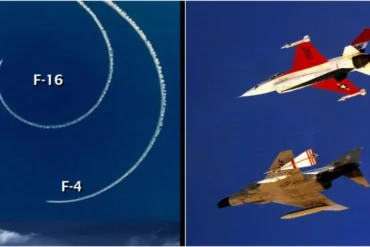
One of the key aspects of the F-16A design is its aerodynamic layout. The aircraft employs a relaxed static stability design philosophy, which is achieved by moving the wings forward and utilizing a fly-by-wire flight control system. This configuration not only improves maneuverability but also reduces the size and aerodynamic drag of the tail section. The resulting enhanced agility allows the F-16A to execute complex maneuvers during high-speed aerial combat, making it a formidable opponent in the skies.
Avionics and Cockpit Technology
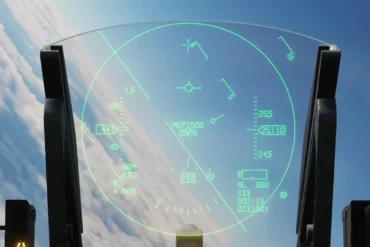
The cockpit of the F-16A was one of the first to incorporate a human factors engineering approach, ensuring that pilots could operate the aircraft with ease and efficiency. The ergonomic design of the cockpit minimizes pilot workload, enabling them to focus on mission-critical tasks. Among its advanced avionics, the aircraft was equipped with multi-mode radar systems—notably the later improvements such as the AN/APG-68(V)9 radar—that enhanced its night combat and all-weather capabilities. These advancements provided pilots with superior situational awareness and target acquisition, which were crucial for both air-to-air and air-to-ground engagements.
Weapon Systems and Armament
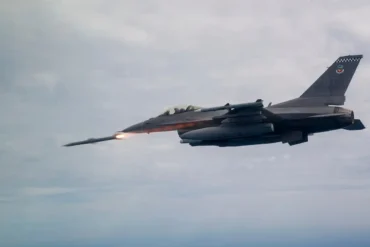
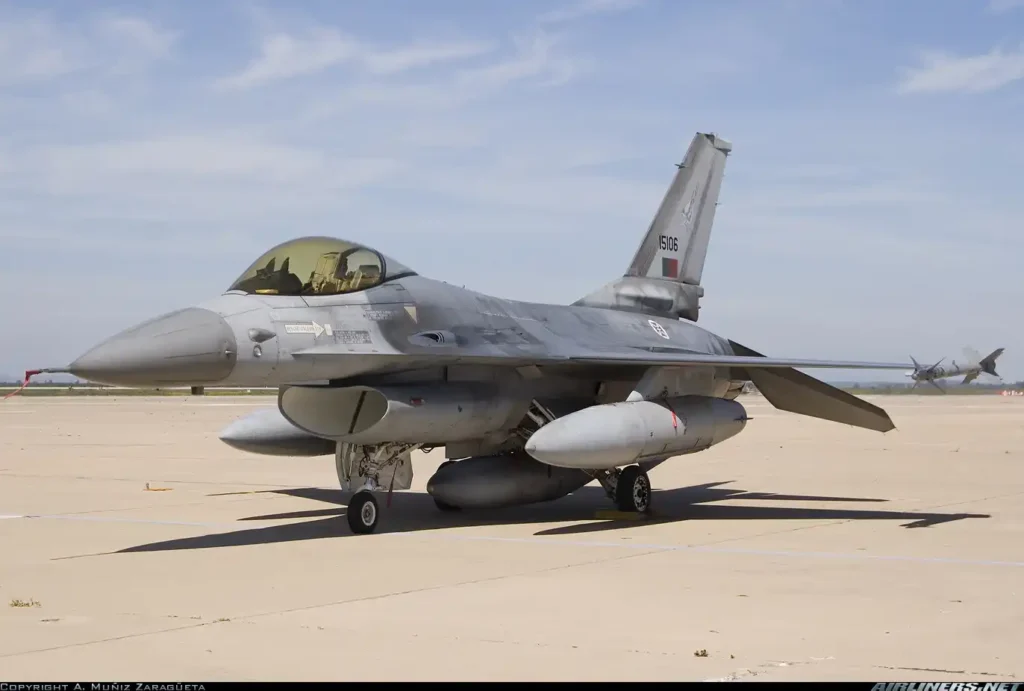
The F-16A Fighting Falcon boasts a formidable array of weapons designed to deliver a decisive strike against both aerial and ground targets. The primary armament includes:
| Weapon System | Specifications |
|---|---|
| M61A1 6-Gun Cannon | Six-barrel rotary cannon with a capacity of 515 rounds |
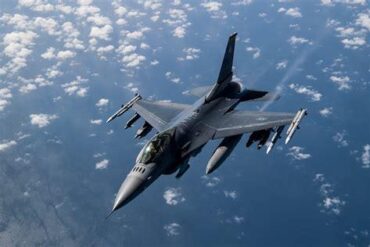
| External Hardpoints | Nine mounting points capable of carrying AIM-9 “Sidewinder” missiles, AIM-120 medium-range missiles, guided bombs, and anti-ship missiles |
The aircraft’s design allows for rapid reconfiguration of its weapons loadout. Starting with the Block 15 production series, enhancements were made to bolster its air-to-ground capabilities by integrating support for precision-guided munitions. This dual-role capacity solidified the F-16A as not only an air superiority fighter but also a potent ground attack platform.
Operational History and Combat Legacy
Over the decades, the F-16A Fighting Falcon has proven itself in numerous theaters of operation, earning accolades for its versatility and combat effectiveness. Its operational history is a testament to its ability to adapt and evolve in response to changing tactical requirements.
Evolution into a Multi-Role Fighter
Originally conceptualized as a fighter with a primary focus on air superiority, the F-16A evolved to embrace a multirole identity. With the introduction of the F-16A/B Block 15 variants, the aircraft underwent significant upgrades that expanded its mission profile to include ground attack capabilities. This transformation allowed the fighter to perform a wider array of missions, ranging from close air support to strategic bombing, without compromising its agility and speed. The dual-role nature of the F-16A has been a major factor in its enduring success and widespread adoption among air forces around the world.
Derivative Variants and Specialized Configurations
The basic design of the F-16A has served as a foundation for several enhanced and specialized variants that address specific operational needs:
- F-16C Fighting Falcon: An improved version of the F-16A, the F-16C features enhanced avionics, superior shallow penetration capabilities, and improved close air support functions. These refinements have made the F-16C a preferred choice for many modern air forces seeking a versatile and reliable combat aircraft.
- F-16I “Thunder”: Tailored specifically for the Israeli Air Force, the F-16I “Thunder” is a custom variant equipped with conformal fuel tanks. This design modification significantly extends its combat radius to 820 kilometers and boosts its maximum range to 1,500 kilometers, ensuring that the aircraft can undertake long-range missions without compromising performance. The F-16I exemplifies how the basic F-16A platform can be adapted to meet unique operational requirements in different geopolitical contexts.
Service Life and Modern Relevance
Despite the aircraft’s age, the F-16A Fighting Falcon remains a relevant asset in modern air combat, even as newer platforms enter the scene. Its longevity is a testament to its robust design and the continuous upgrades that have kept it operationally effective for more than four decades.
Current Operational Status
While early models of the F-16A have gradually been retired, several variants continue to serve in active combat roles around the globe. For instance, certain advanced batches such as the Block 40/42 F-16C/D are still in active service with forces stationed in regions like South Korea. However, it is important to note that many of these aircraft have been in service for over 30 years, which poses challenges related to airframe aging and maintenance.
Replacement and Future Prospects
The advent of fifth-generation fighters, notably the F-35 Lightning II, has initiated a gradual phase-out of the F-16 from frontline service in the United States. Despite this, the F-16A Fighting Falcon continues to see active use in various roles, particularly among allied nations that have invested in second-hand models. Countries such as Ukraine and Argentina have sought to extend the operational life of the F-16 through procurement of refurbished units, ensuring that this iconic fighter remains a viable option in modern aerial warfare. The ongoing interest in the F-16 underscores its enduring relevance and the trust placed in its capabilities by air forces around the world.
International Impact and Strategic Influence
The global footprint of the F-16A Fighting Falcon is not merely confined to its combat performance; it has also played a significant role in shaping international military relationships and strategic doctrines.
Global Export and Diplomatic Influence
The wide export of the F-16A has fostered deep military and diplomatic ties between the United States and numerous allied nations. Its adoption by over 30 countries has not only standardized training and interoperability among coalition forces but also cemented the F-16 as a cornerstone of many national defense strategies. This extensive export network has contributed to the aircraft’s reputation as a reliable and proven system in both training exercises and real-world combat scenarios.
Controversial Sales and Diplomatic Implications
The history of the F-16A Fighting Falcon is interwoven with episodes of international controversy and high-stakes negotiations. In the 1980s, the United States considered the sale of a downgraded version of the F-16 to China. Although the deal was never finalized, this proposal had far-reaching implications. It is widely believed that the failed negotiations indirectly spurred the People’s Liberation Army Air Force (PLAAF) to accelerate the development of its indigenous fighter program, eventually leading to the creation of the J-10 series. Such diplomatic maneuvers underscore the influence that advanced military technology can have on global strategic balances.
The F-16 in Contemporary Conflicts
In recent geopolitical developments, the F-16A continues to be a topic of discussion among international defense planners. For example, during the ongoing Russo-Ukrainian conflict, several NATO member countries, including Belgium and Denmark, have considered providing upgraded variants of the F-16A/B—such as the F-16AM/BM—to Ukraine. Although these models are based on older production lines, modern enhancements have been proposed to improve their combat effectiveness. The potential transfer of these upgraded fighters highlights both the enduring value of the F-16 platform and the challenges associated with integrating older airframes into modern warfare environments.
The Technological Legacy of the F-16A Fighting Falcon
The enduring legacy of the F-16A Fighting Falcon lies not only in its combat record but also in its role as a technological pioneer. The innovations introduced with the F-16A have influenced the design of subsequent fighter aircraft and have set the stage for many of the advancements seen in today’s aerial combat systems.
Pioneering Flight Control Systems
One of the hallmark features of the F-16A is its fly-by-wire control system. This technology, which replaced traditional mechanical linkages with electronic controls, provided a level of precision and responsiveness that was previously unattainable. The successful implementation of this system in the F-16A demonstrated that modern fighters could achieve unprecedented maneuverability while maintaining high levels of stability and control, even under the most challenging combat conditions.
Ergonomic and Avionics Breakthroughs
The cockpit design of the F-16A was revolutionary at the time of its introduction. By incorporating human factors engineering into its layout, the aircraft minimized pilot workload and maximized operational efficiency. The integration of advanced multi-mode radar and other avionics systems not only enhanced situational awareness but also paved the way for subsequent generations of fighter aircraft to build upon these foundational technologies. The continued evolution of these systems is a direct testament to the foresight of the engineers behind the F-16A.
Modular Armament and Adaptability
The F-16A Fighting Falcon was designed with a modular approach to armament, allowing it to adapt quickly to the changing demands of combat. With its nine external hardpoints and flexible weapons configuration, the fighter can be equipped for a wide variety of mission profiles. Whether it is engaging enemy aircraft with AIM-9 “Sidewinder” missiles or executing precision strikes with guided bombs and anti-ship missiles, the F-16A remains a versatile and formidable tool on the modern battlefield.
Economic and Strategic Implications
Beyond its technological and operational merits, the F-16A Fighting Falcon has had significant economic and strategic implications. Its widespread production and export have not only bolstered the economies of its manufacturing partners but have also provided a reliable and cost-effective solution for allied nations looking to modernize their air forces.
Cost-Effectiveness and Operational Efficiency
The design of the F-16A emphasizes simplicity and efficiency, making it a cost-effective option for many air forces. Its relatively low maintenance costs, coupled with high operational performance, have ensured that it remains a valuable asset even as newer fighter platforms are introduced. This balance between performance and cost has been a key factor in its enduring popularity on the international market.
Strengthening International Alliances
The export of the F-16A Fighting Falcon has played a pivotal role in reinforcing international military alliances. By standardizing equipment and training across allied air forces, the F-16A has contributed to improved interoperability during joint operations and exercises. This common platform has allowed nations to share best practices, enhance collaborative defense strategies, and strengthen diplomatic ties, thereby increasing overall regional stability.
The Future Legacy of the F-16A
As the global aerospace landscape evolves, the legacy of the F-16A Fighting Falcon continues to influence new generations of fighter aircraft. While newer platforms such as the F-35 Lightning II are increasingly taking center stage in frontline combat, the foundational technologies and design philosophies pioneered by the F-16A remain integral to modern fighter development.
Ongoing Upgrades and Modernization
In response to the challenges of aging airframes and evolving combat requirements, many operators of the F-16A Fighting Falcon have invested in extensive modernization programs. These upgrades include advanced avionics, enhanced radar systems, and updated weapons integration—all of which help extend the operational life of this venerable fighter. By incorporating modern technology into a proven platform, air forces are able to maintain a high level of combat readiness without the immediate need for entirely new aircraft.
A Symbol of Enduring Innovation
The impact of the F-16A extends far beyond its immediate tactical applications. It has become a symbol of enduring innovation in military aviation—a testament to the idea that robust design and forward-thinking technology can transcend decades of service. As nations continue to grapple with the demands of modern warfare, the F-16A Fighting Falcon serves as a reminder of the transformative power of innovation in the field of aerial combat.
Conclusion
The F-16A Fighting Falcon is much more than just a fighter aircraft—it is a technological marvel and a cultural icon in modern military history. Its advanced aerodynamic design, pioneering fly-by-wire systems, state-of-the-art avionics, and versatile weapons configuration have cemented its status as one of the most influential combat aircraft ever built. Over the course of its illustrious service, the F-16A has continuously adapted to meet the evolving challenges of the battlefield, proving its mettle in both air superiority and multirole operations.
From its inception in the mid-1970s to its enduring legacy on the global stage, the F-16A Fighting Falcon represents the pinnacle of modern aerial combat technology. Its widespread adoption across more than 30 countries, coupled with its continued relevance in various operational theaters, speaks volumes about the ingenuity and foresight of its designers. Even as newer platforms emerge, the F-16A remains a cornerstone of air combat, a symbol of excellence that has shaped the way modern air forces approach both tactical and strategic operations.
The strategic and diplomatic ripple effects of the F-16A are also profound. Its export has not only bolstered the defense capabilities of allied nations but has also played a crucial role in shaping international military cooperation and interoperability. As the global geopolitical landscape continues to shift, the F-16A Fighting Falcon endures as a reliable, battle-tested asset that remains indispensable to air forces around the world.
In summary, the F-16A Fighting Falcon is a masterpiece of military engineering—a fighter aircraft that has transcended its origins to become a global benchmark for combat excellence. Its blend of innovative design, comprehensive operational capabilities, and enduring strategic value ensures that its legacy will continue to inspire advancements in military aviation for generations to come.