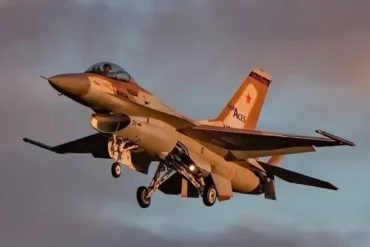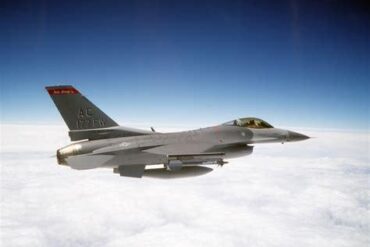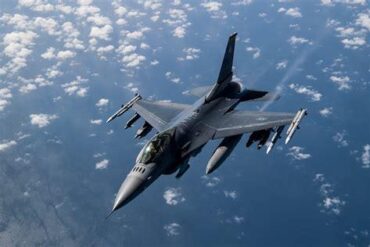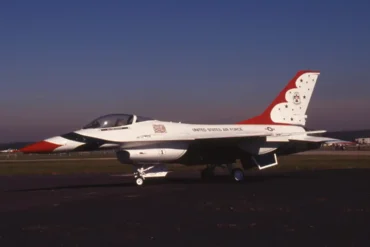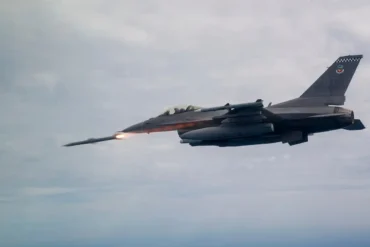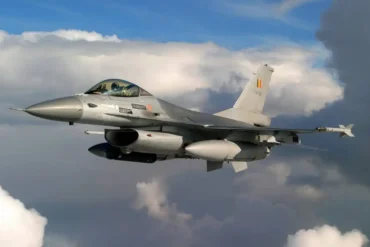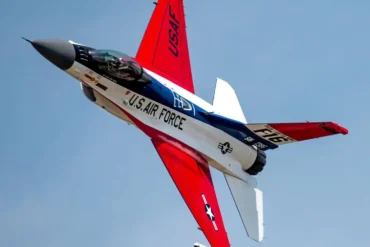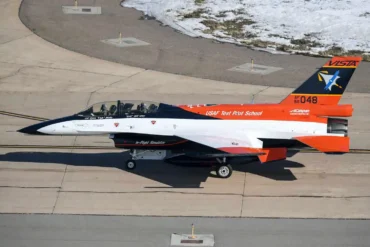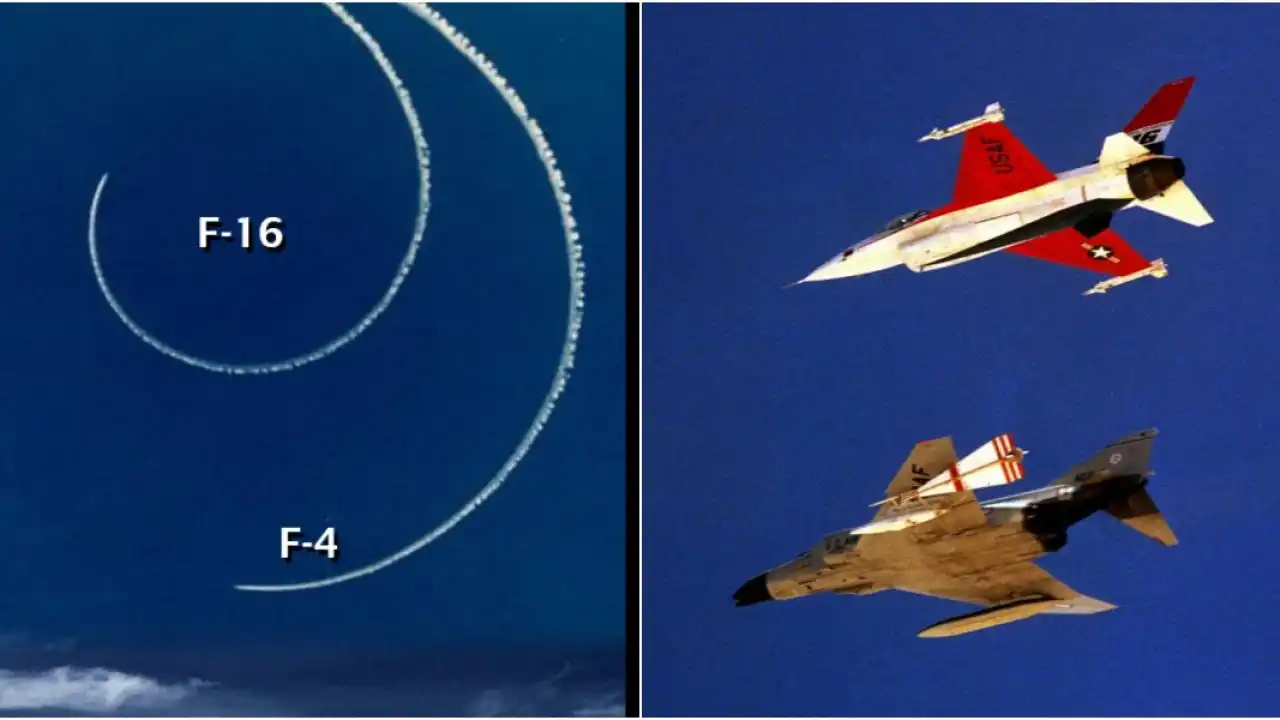
The debate between the F-4E Phantom II and the F-16 Fighting Falcon often begins with one surprising statistic: speed. Even decades after its introduction, the F-4E boasts a top speed of approximately 1,485 miles per hour, a figure that exceeds the top speed of many early F-16 variants. Yet speed alone has never determined aerial superiority. While the Phantom II earned legendary status during the Cold War and beyond, the F-16 represents a fundamentally different era of air combat, one shaped by digital technology, precision weapons, and network-centric warfare.
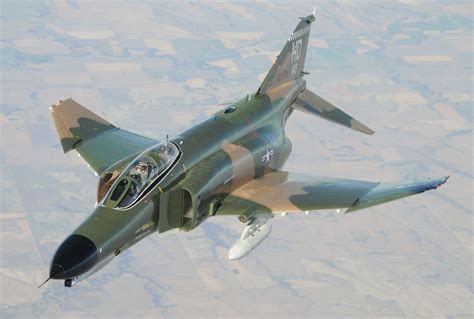
The F-4E Phantom II emerged during a period when military planners prioritized raw performance, heavy payloads, and long-range interception capabilities. Designed by McDonnell Douglas, the aircraft became one of the most recognizable fighter jets ever built. It served extensively with the United States and numerous allied nations, proving itself capable in air-to-air combat, ground attack missions, and reconnaissance operations. Its powerful twin-engine design gave it impressive acceleration and speed, characteristics that made it a formidable opponent throughout much of the Cold War.
Despite those strengths, the aviation battlefield has evolved dramatically. Modern fighter aircraft are judged not only by how fast they fly but by how effectively they detect threats, share information, engage targets, and survive in increasingly complex combat environments. This is where the F-16 establishes a decisive advantage.
Modern Avionics Give the F-16 a Major Edge
One of the most significant differences between the two aircraft is the technology embedded within their cockpits and mission systems. The F-4E was designed during an era when analog instruments and comparatively basic radar systems dominated military aviation. Although upgrades extended its operational life, its architecture was never intended for the digital battlespace of the 21st century.
The F-16, by contrast, was developed with advanced avionics as a central priority. Modern variants feature sophisticated mission computers, digital displays, secure communications systems, satellite connectivity, and advanced targeting pods. These capabilities allow pilots to identify threats faster, coordinate with ground forces more efficiently, and deliver precision-guided weapons with exceptional accuracy. In contemporary warfare, information superiority often matters more than outright speed, and the F-16 excels in that domain.
Smaller, Lighter, and More Efficient
Physical design also highlights the generational gap between the two fighters. The F-4E is substantially larger, with a wider wingspan, longer fuselage, and significantly heavier combat weight. A combat-loaded Phantom can exceed 55,000 pounds, reflecting the engineering philosophy of its era.
The F-16 takes a different approach. Its lighter airframe and streamlined design provide excellent maneuverability while reducing operational costs. A lighter aircraft can often accelerate, turn, and sustain performance more efficiently during combat engagements. The Fighting Falcon’s aerodynamic design also contributes to its reputation as one of the most agile fighters ever produced.
Radar, Sensors, and Battlefield Awareness
Air combat increasingly depends on who sees the enemy first. Even upgraded Phantom variants struggle to match the radar and sensor capabilities available on modern F-16s. Advanced F-16 models employ long-range radar systems capable of tracking multiple targets simultaneously while integrating data from other platforms.
This enhanced situational awareness allows F-16 pilots to engage threats at greater distances and make faster tactical decisions. In many scenarios, the ability to detect and target an opponent before being detected can determine the outcome of an engagement long before either aircraft reaches maximum speed.
Built for the Future, Not the Past
Ultimately, comparing the F-4E and the F-16 means comparing two different generations of fighter design. The Phantom II was a highly successful third-generation aircraft built for Cold War confrontations. The F-16 is a fourth-generation multirole fighter continuously upgraded to operate alongside cutting-edge platforms such as the F-35 and advanced stealth aircraft.
Although the F-4E remains an icon of military aviation and still impresses with its speed, the F-16’s combination of advanced electronics, superior situational awareness, lower weight, greater efficiency, and long-term modernization potential makes it the more capable aircraft. In modern air warfare, speed remains valuable, but technology, connectivity, and adaptability are what truly define superiority.